
Light Requirements
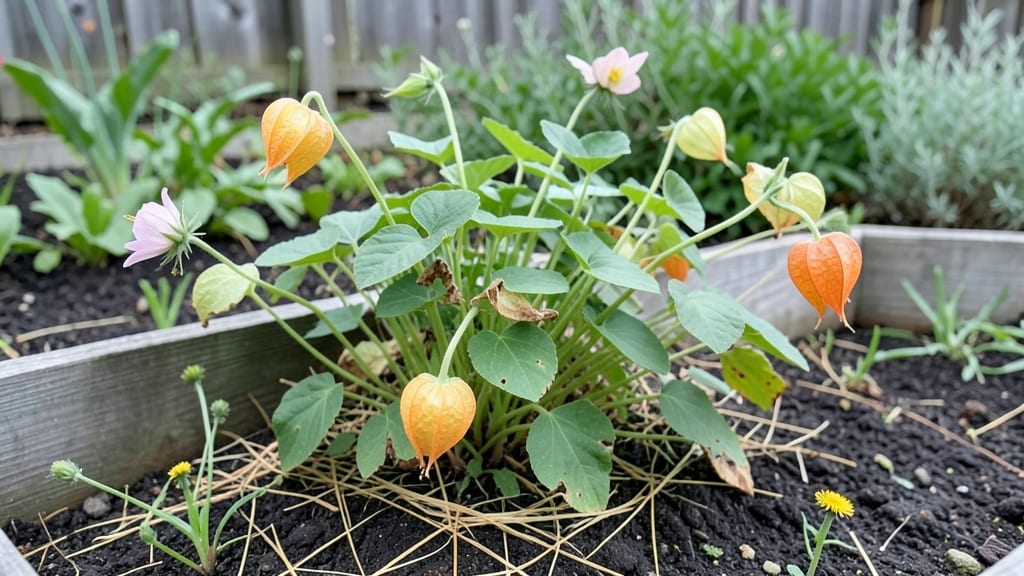
Growing a Chinese lantern seedling from scratch means you’ll soon have those striking red lanterns dangling from your plants—even in shady spots where most foliage fades. I’ve nurtured these delicate seedlings through their first few weeks, and the key to success starts with the right soil and gentle handling.
The trick isn’t forcing them into full sun; it’s letting them thrive in the dappled light they crave while their roots establish.
You’ll need well-draining potting mix, small seedling trays, and patience—these plants grow slowly at first but reward you with bold foliage once settled. Water lightly from below to avoid damping off, and keep them in a spot with bright, indirect light.
Most beginners overwater, so let the top inch dry between waterings. Within 4-6 weeks, you’ll see those iconic red leaves emerging, signaling it’s time to transplant.
The payoff comes when those lantern-shaped fruits form, turning golden-orange in fall—a sight that turns neighbors’ heads. These shade-loving plants handle humidity well, making them perfect for under trees or along north-facing walls.
Just avoid transplanting too early; wait until nighttime temps stay above 50°F to give them the best start.
Here’s where it gets interesting—these seedlings hate being disturbed, so handle them like glass when repotting. If you rush the process, you’ll end up with leggy, weak plants that struggle to recover.
Take your time, and you’ll have a thriving Chinese lantern plant that outshines anything in your garden’s shady corners.
📚 In This Guide
- What you need
- Instructions
- Tips and common mistakes
- Wrapping up and next steps
What you need
- ● Chinese lantern seeds (Physalis alkekengi): Quantity: 5–10 seeds (or 1–2 seedlings if buying pre-started)
- ● Specification: Organic, non-GMO seeds for best results
- ● Growing containers: Quantity: 1–2 small pots (4–6 inches in diameter) per seedling
- ● Specification: Well-draining pots with drainage holes (plastic or terracotta)
- ● Potting mix: Quantity: 1–2 bags (1–2 cubic feet total)
- ● Specification: Lightweight, well-draining mix (e.g., 60% peat/coir, 30% perlite, 10% compost)
- ● Tools: Small hand trowel or spoon
- ● Spray bottle (for gentle watering)
- ○ Gloves (optional, for handling soil)
- ● Seed-starting tray with clear lid (to retain humidity)
- ● Grow lights (LED or fluorescent, 12–16 hours/day if natural light is limited)
- ● Fertilizer: Balanced liquid fertilizer (5-5-5 or 10-10-10, diluted to half-strength)
- ● Mulch: Straw or shredded leaves to retain moisture
- ● Plant labels (to track varieties if experimenting with multiple seeds)
Step-by-step instructions for growing Chinese lantern plants from seedlings
Here’s how to nurture vibrant Chinese lantern seedlings into striking shade-loving plants.
Select and Prepare Your Seedlings
Start with healthy Chinese lantern seedlings that have 3-4 true leaves—avoid leggy or pale ones. These plants thrive in partial shade, so choose a spot that gets 3-6 hours of indirect light daily. If your seedlings are crowded, gently separate them, ensuring each has 2-3 inches of root space before planting.
Before transplanting, water the seedlings thoroughly to reduce shock. Check the soil moisture by pressing your finger 1 inch deep—it should feel damp but not soggy. This ensures the roots establish quickly in their new home.
Plant in Well-Draining Soil
Chinese lanterns prefer moist but well-draining soil with a slightly acidic to neutral pH. Mix 2 parts potting soil with 1 part perlite to improve aeration. Dig a hole twice as wide as the root ball but only as deep as the container the seedling came in—planting too deep can suffocate the roots.
Place the seedling in the hole, firm the soil gently around it, and water deeply to settle everything. Avoid compacting the soil too much—it should stay loose enough for roots to spread easily. Mulch with 1-2 inches of shredded bark to retain moisture and suppress weeds.
Provide Consistent Moisture and Shade
Water your Chinese lantern seedlings every 2-3 days, keeping the soil evenly moist but not waterlogged. These plants are drought-tolerant once established, but seedlings need steady moisture to grow strong. Check the top 1-2 inches of soil—if it feels dry, it’s time to water.
While they tolerate shade, they still need bright, indirect light to maintain their vibrant red foliage. If growing indoors, place them near a north- or east-facing window. If outdoors, avoid harsh afternoon sun, which can scorch the leaves. Rotate the pot quarter-turn weekly to encourage even growth.
Fertilize and Prune for Bushier Growth
Feed your seedlings with a balanced, water-soluble fertilizer (10-10-10) every 4-6 weeks during the growing season. Dilute it to half-strength to avoid burning tender roots. You’ll notice new growth within 2-3 weeks—this is your sign the fertilizer is working.
Pinch back the tips of leggy stems to encourage bushier growth. Use clean scissors to trim just above a set of leaves where new branches will form. Deadhead spent flowers in late summer to redirect energy into foliage rather than seed production. This keeps the plant lush and vibrant longer.
Overwinter for Long-Term Success
Chinese lanterns are perennial in USDA zones 8-11 but often treated as annuals in colder climates. If you want to keep them, move potted plants indoors before the first frost. Place them in a cool, bright spot (around 50-60°F) and reduce watering to once every 10-14 days during dormancy.
In spring, resume regular care, and you’ll see fresh growth within 3-4 weeks. If your plant outgrows its pot, repot it into a container 2-3 inches larger with fresh soil. This keeps it healthy and encourages more striking foliage for seasons to come.
Tips & tricks for perfect Chinese lantern seedling care
A few simple strategies will help your Chinese lantern seedlings thrive and maintain their stunning red foliage.
Seedling Selection: When choosing your seedlings, look beyond just the leaves. The stems should be sturdy and upright, not leaning or weak. I’ve found that seedlings with slightly fuzzy stems tend to handle transplanting better. If you’re buying from a nursery, ask when they were potted—the newer the better, as older seedlings may already be stressed.
Soil Preparation: The 2:1 ratio of potting soil to perlite is ideal, but don’t skip testing your soil’s pH first. You can use a simple soil test kit from a garden center. If your soil tests too acidic (below 6.0), mix in a small amount of lime to bring it to neutral. Proper aeration from the perlite prevents root rot, which is especially important for these shade-loving plants that can’t handle soggy conditions.
Light Management: While Chinese lanterns tolerate shade, the 3-6 hours of indirect light specified is crucial for maintaining their vibrant red color. If you notice the leaves starting to lose their intensity, move the plant closer to a bright window or supplement with a grow light for a few hours daily. I’ve seen dramatic color improvement within just a few days when I added this extra light.
Watering Technique: The key with watering every 2-3 days is consistency. Use your finger to check moisture at the 1-2 inch depth mentioned, but also observe the pot’s weight—it should feel noticeably lighter when it’s time to water. Water thoroughly until it drains from the bottom, then empty the saucer to prevent root suffocation. Overwatering is the #1 reason these plants develop yellow leaves.
Pro Tips for Chinese Lantern Seedling
- A few simple strategies will help your Chinese lantern seedlings thrive and maintain their stunning red foliage.
- Seedling Selection: When choosing your seedlings, look beyond just the leaves.
- Soil Preparation: The 2:1 ratio of potting soil to perlite is ideal, but don’t skip testing your soil’s pH first.
Frequently asked questions
about growing Chinese lantern seedlings (Physocarpus opulifolius 'Little Devil')—here’s what you need to know!How long does it take for Chinese lantern seedlings to establish?
With proper care, seedlings typically take 4–6 weeks to develop a sturdy root system and show new growth. Focus on keeping soil moist (not soggy) and providing bright, indirect light—this helps them transition from shade-tolerant seedlings to thriving plants faster. Patience is key, especially in cooler months!
Can I plant Chinese lantern seedlings in late fall or early spring?
Both seasons work, but spring (after the last frost) is ideal—soil warms up, and seedlings have time to root before winter. If planting in late fall, choose a sheltered spot and mulch heavily to protect roots. Avoid planting when temps drop below 40°F (4°C)—young plants are frost-sensitive!
What’s the best alternative if my seedlings aren’t thriving in shade?
If your seedlings look leggy or pale, try these fixes:
- Move them to a spot with dappled sunlight (2–4 hours/day).
- Use a grow light (12–14 hours/day) if shade is unavoidable.
- Choose shade-tolerant companions like ferns or hostas to create a microclimate.
Why are my Chinese lantern seedlings’ leaves curling or spotted?
Curling or spots usually mean pests or disease. Check for:
- Aphids/spider mites (tiny webs or sticky residue? Spray with neem oil).
- Fungal issues (like powdery mildew) if leaves feel damp or fuzzy. Improve airflow and avoid overhead watering.
- Over/under-watering (wilting or mushy stems? Adjust care!).
Do Chinese lantern seedlings need winter protection?
Established plants are hardy to USDA Zone 3, but young seedlings benefit from:
- A 3-inch mulch layer of shredded bark or leaves.
- Wrapping the base with burlap in extreme cold (<20°F/-7°C).
- Avoid pruning until spring—dormant plants store energy in their branches!
Wrapping up and next steps
Growing a Chinese lantern seedling (Physalis alkekengi) is a rewarding way to add vibrant red foliage to shady spots in your garden—no fancy sunlight required! 🌿 With the right soil, patience, and a little care, these striking plants will thrive even in low-light conditions.
Whether you're a seasoned gardener or just starting out, their unique beauty makes them a must-try for shade lovers.
Ready to bring some color to your garden? Start by gathering your supplies, following the steps above, and watch your Chinese lantern seedlings flourish. Next up: Share your progress with fellow plant enthusiasts or explore creative ways to showcase their stunning foliage in containers or borders!