
Pruning
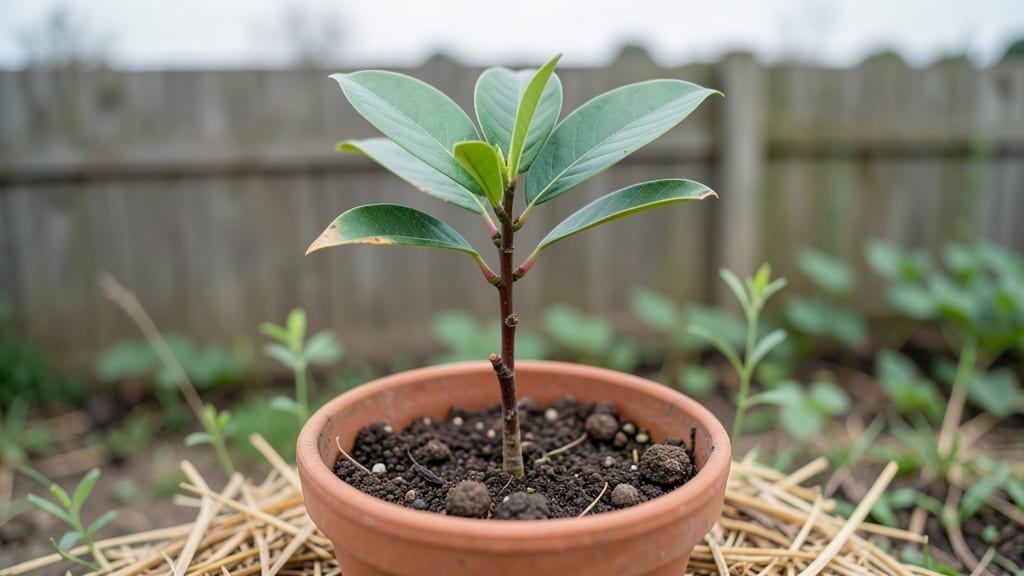
Growing a lychee tree from seedling to fruit is one of those rare gardening adventures that demands both time and tropical conditions. 🌱 The journey starts with a delicate sprout that might take months to break through its shell, then years to produce its first sweet, fragrant fruit.
I’ve learned that patience isn’t just a virtue—it’s a requirement for this exotic tree.
The real challenge begins before the seedling even emerges. You’ll need well-draining soil, a warm spot (ideally 70–85°F), and consistent moisture—without letting the roots drown. Most lychee seedlings struggle in temperate climates, which is why I recommend starting them indoors or in a greenhouse before transplanting outside.
Even then, they’re slow growers, so don’t expect fruit for at least 5–7 years.
What makes it worth the wait? The moment your tree finally blooms, those delicate white flowers fill the air with a scent that’s pure magic. The first lychees you harvest—sweet, juicy, and impossible to resist—make every year of nurturing feel like a victory.
Just don’t rush the process; lychees reward those who give them the right conditions and plenty of time.
Here’s the thing—if you’re in a cooler climate, you’ll need to treat your lychee like a houseplant or greenhouse resident. But if you live in a frost-free zone with warm winters, you might just get lucky and grow one outside.
Either way, the journey is half the fun, and the payoff? Unbeatable.
📚 In This Guide
- What you need
- Instructions
- Tips and common mistakes
- Wrapping up and next steps
What you need
- ● Lychee tree seedling: 1 healthy, disease-free seedling (preferably 6–12 inches tall, with visible roots). Pro tip: 💡 Buy from a reputable nursery or propagate from a fresh lychee pit (see our guide for tips!).
- ○ Growing container: 1–2 gallon pots (with drainage holes) or a raised bed (minimum 18" deep). Optional: Fabric grow bags for better aeration.
- ● Well-draining potting mix: 3–5 gallons of a blend designed for citrus or tropical fruit trees (e.g., 60% peat moss, 20% perlite, 20% sand). Skip the cheap garden soil—lychees hate soggy roots! 🌡️
- ● Pruning tools: 1 pair of bypass pruners (sharp, clean, for cuts under ¼ inch).
- ● 1 pruning saw (for thicker branches, if needed).
- ● 1 rubbing alcohol (70% or higher) + cotton swabs (for sterilizing tools).
- ● Fertilizer: 1 balanced fertilizer (e.g., 10-10-10 NPK, 1 lb per 10 sq ft).
- ○ 1 citrus-specific fertilizer (high in micronutrients like zinc and iron, optional but helpful).
- ● Mulch: 2–3 inches of organic mulch (e.g., wood chips or straw) to retain moisture.
- ● Support stakes: 2–3 bamboo or metal stakes (4–5 ft tall) + soft ties (for young trees).
- ● Hardiness zone: 10–11 (lychees are tropical—no frost!). If you’re in a cooler zone, plan for a greenhouse or indoor grow setup. ✨
- ● Sunlight: Full sun (6+ hours daily). Partial shade in extreme heat (110°F+) can help young seedlings.
- ● Water source: Drip irrigation or a watering can with a fine rose (to avoid disturbing roots).
- ● Humidity: 60–80% (use a humidifier or pebble tray if indoors).
- ● 1 pH test kit (ideal soil pH: 5.0–6.5 for lychees).
- ● 1 spray bottle (for misting leaves in dry climates).
- ● 1 tree collar spray (to protect against pests like aphids or scale).
- ● 1 growth regulator (e.g., paclobutrazol, to control excessive height in seedlings).
How to cultivate a lychee tree seedling from start to fruit
Here’s how I turn a single lychee seed into a thriving tree that eventually bears fruit.
🌱 Step 1: Germinate the Seed in Warm, Moist Conditions
Start by soaking the lychee pit in warm water for 24 hours—this softens the hard outer shell and kickstarts germination. Place the seed between two damp paper towels, fold them over, and store in a sealed plastic bag. Keep it in a warm spot (75-85°F) where it stays consistently moist but not soggy.
Check daily for cracks in the seed coat—this signals the root is pushing through. Once you see a white root tip (about ½ inch long), it’s ready to plant. I’ve found that patience here pays off; germination can take 2-4 weeks, so don’t rush it.
🪴 Step 2: Plant the Sprouted Seed in a Well-Draining Container
Fill a 6-inch pot with a mix of 50% potting soil and 50% perlite—this ensures drainage while retaining enough moisture for delicate roots. Plant the seed 1 inch deep, with the root pointing downward. Gently press the soil around it but avoid compacting it too tightly.
Place the pot in bright, indirect light (no direct sun yet) and keep the soil lightly moist. A humidity dome or plastic wrap helps maintain warmth and moisture. You’ll notice the first true leaves (not the initial seed leaves) emerge in 4-6 weeks. This is your cue to move it to slightly brighter conditions.
☀️ Step 3: Transition to Sunlight and Larger Pots Gradually
After 8-12 weeks, when the seedling has 3-4 sets of leaves, it’s ready for its first move. Repot into an 8-inch container with the same soil mix, burying the stem up to the first set of leaves. This encourages stronger root growth and prevents legginess.
Introduce morning sunlight first, then gradually increase exposure to 6+ hours of direct sun daily over 2 weeks. Lychee seedlings are sensitive to sudden heat—if leaves yellow or crisp, it’s a sign of too much sun. Watch for deep green, glossy leaves as a sign of healthy adjustment.
💧 Step 4: Maintain Consistent Care for Fruit Development
Once the seedling is 1-2 years old and 3 feet tall, it’s time to focus on fruit production. Use a balanced fertilizer (10-10-10) every 4-6 weeks during spring and summer. Water deeply once a week, ensuring the top 2 inches of soil dry out between waterings—lychee trees hate soggy roots.
By year 3, you may see small flowers. Prune leggy branches to encourage bushier growth, and protect the tree from frost if temperatures drop below 32°F. Patience is key—fruit production can take 5-7 years, but with consistent care, you’ll eventually harvest sweet, aromatic lychees.
⏰ Step 5: Prepare for Long-Term Growth and Harvest
When the tree outgrows its container (after 3-4 years), transplant it into the ground or a 15-gallon pot with fresh soil mix. Choose a spot with full sun (8+ hours daily) and well-draining soil. Mulch around the base to retain moisture and regulate soil temperature.
Harvest time arrives when lychees turn deep pink and slightly soft to the touch. Pick them carefully—they ripen quickly off the tree. Store in the fridge for up to 2 weeks or enjoy fresh within days. This is where the real reward comes: watching your tiny seedling grow into a fruit-bearing tree.
Tips & tricks for perfect lychee tree seedling cultivation
Here's what I learned after nurturing my first lychee tree from seed—these little details make all the difference between a thriving plant and a sad, stunted seedling.
Germination Success: Don't be tempted to speed up germination by keeping the seed too wet. After the initial 24-hour soak, check moisture daily—your paper towels should feel damp like a wrung-out sponge, not dripping. I learned this the hard way when mold set in on my second attempt! The sealed plastic bag creates a greenhouse effect, so you only need to mist occasionally to maintain that perfect 75-85°F warmth.
Planting Depth Matters: When planting your 1-inch-deep seedling, make sure the root tip points straight down—this prevents the seed from growing sideways or crooked. I've seen seedlings emerge at crazy angles when planted improperly. Also, avoid pressing the soil too firmly around the seed; gentle patting is all you need to keep it stable without compacting the delicate roots.
Light Transition Strategy: The gradual sunlight increase in Step 3 is crucial. I recommend starting with just 1-2 hours of morning sun on week one, then adding 30 minutes each day. Sudden exposure to 6+ hours of direct sun can shock the seedling—you'll notice leaves turning yellow or crisping at the edges if you rush this process. Think of it like sunbathing: gradual tanning prevents burns!
Frost Protection: That 32°F threshold in Step 4 is serious business. If you're in a cooler climate, consider moving your potted tree indoors during winter or using frost cloths. I've seen lychee seedlings completely wiped out by unexpected late frosts. A simple heat lamp can also provide a buffer during cold snaps, especially for young trees still developing their hardiness.
Pro Tips for Lychee Tree Seedling
- Here's what I learned after nurturing my first lychee tree from seed—these little details make all the difference between a thriving plant and a sad, stunted seedling.
- Germination Success: Don't be tempted to speed up germination by keeping the seed too wet.
- Planting Depth Matters: When planting your 1-inch-deep seedling, make sure the root tip points straight down—this prevents the seed from growing sideways or crooked.
Frequently asked questions
Got questions about growing lychee tree seedlings? Here’s a quick rundown of the most common concerns—and how to tackle them!
How long does it take for a lychee seedling to bear fruit?
A lychee seedling typically takes 5–7 years to produce fruit, though some grafted varieties may bear fruit in 3–4 years. Patience is key—focus on nurturing strong roots and branches first!
What’s the best climate for growing lychee seedlings?
Lychee trees thrive in tropical or subtropical climates with warm temperatures (70–85°F), high humidity, and no frost. If you’re in a cooler zone, grow them in containers and move them indoors during winter.
Can I grow a lychee tree from a store-bought fruit seed?
Yes! But expect inconsistent results—seeds may not grow true to the parent fruit. For better success, buy a grafted seedling from a nursery. If starting from seed, soak it in warm water for 24 hours first to speed up germination.
Why is my lychee seedling’s leaves turning yellow?
Yellow leaves often signal overwatering, nutrient deficiency, or poor drainage. Check the soil—it should stay slightly moist but not soggy. Fertilize with a balanced tropical plant food (like 6-6-6) every 2–3 months.
Do lychee seedlings need full sun?
Seedlings need 6–8 hours of direct sunlight daily to grow strong. If indoors, place them near a south-facing window or use grow lights. Young trees can tolerate partial shade, but full sun ensures faster, healthier growth.
Wrapping up and next steps
Growing a lychee tree seedling into a thriving fruit-bearing plant is a rewarding journey that blends patience with tropical passion! 🌱 From sprouting seeds to savoring sweet harvests, each stage—whether nurturing young roots, pruning for shape, or protecting against pests—plays a vital role in your success.
With the right care, you’ll soon enjoy the unmistakable aroma and juicy rewards of homegrown lychees.
Ready to take the next step? Start small:
- Pick a healthy seedling from a trusted source.
- Follow your pruning and care schedule religiously.
- Celebrate every milestone—even the tiny leaves!