
Diseases
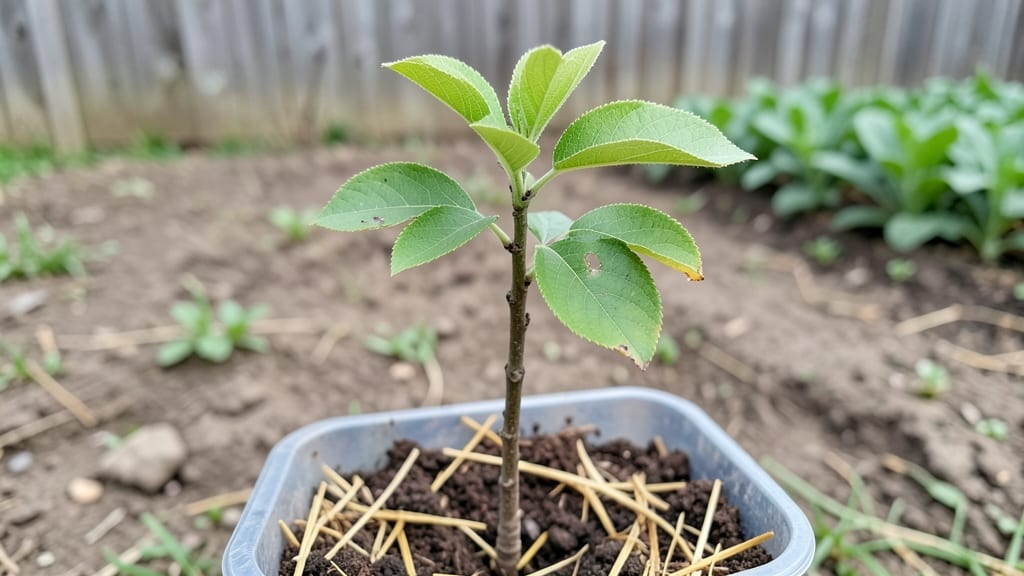
You can grow a plum tree from a plum seed, but the resulting tree will likely produce fruit different from the parent due to genetic variation. This method requires careful seed stratification, patience, and optimal growing conditions for success.
Growing a plum tree from seed is a fascinating experiment in plant genetics, though it comes with major trade-offs.
The seedlings you raise will be entirely different from the parent tree—think of it like rolling genetic dice. 🌱 While the tree itself may grow strong and hardy, its fruit could be smaller, less flavorful, or even a completely different variety entirely.
This is why commercial plum orchards rely on grafting rather than seeds: it guarantees consistent fruit quality. That said, if you're curious about the process, starting with seeds is a rewarding way to explore horticulture fundamentals.
For best results, focus on proper seed stratification—simulating winter's cold period—which typically requires 60-90 days in moist, refrigerated conditions. Once sprouted, young seedlings need full sun and well-draining soil to thrive.
Remember, this isn't a shortcut to fruit production; it's a long-term project that could take 5-7 years before you even see potential blooms. Patience is key when working with seed-grown fruit trees.
💡 In This Article
- Genetic Variability in Plum Trees From Seeds
- Step-by-Step Guide to Germinating Plum Seeds
Genetic variability in plum trees from seeds
When you grow a plum tree from seed, you're essentially starting with a genetic lottery. The resulting tree will undergo sexual reproduction, where pollen from one tree fertilizes the ovule of another, creating a unique combination of traits.
This process introduces cross-pollination—often between unrelated varieties—which explains why seedling trees rarely match their parent's fruit characteristics. For example, a seed from a Santa Rosa plum might produce a tree bearing small, tart fruit resembling wild plums rather than the sweet, juicy variety you started with.
The science behind this lies in meiosis, where the parent tree's genetic material is halved and randomly recombined. This creates offspring with only about 50% of the parent's DNA, while the other half comes from the pollen donor.
Even if you use seeds from a single fruit, cross-pollination means that fruit was likely fertilized by pollen from a different tree—possibly yards away.
This genetic mixing is why seed-grown plum trees often produce smaller fruit (sometimes half the size of commercial varieties) with thinner skins and less predictable flavor profiles.
Commercial orchards avoid this unpredictability by using grafting, where a desired variety's scion (budwood) is attached to a rootstock of a compatible species. This ensures the fruit matches the parent tree's characteristics while benefiting from the rootstock's disease resistance and hardiness.
The contrast is striking: grafted trees produce fruit identical to their parent within 3-5 years, while seed-grown trees may take 8-10 years to bear fruit—and even then, it's often inferior. This is why home gardeners rarely see seed-grown plums that rival store-bought quality.
Here's what happens at the cellular level: The embryo inside the seed develops from a single fertilized cell, but its growth is influenced by the seed's endosperm (nutrient-rich tissue) and the mother plant's environment.
Stress factors like temperature fluctuations or poor soil nutrition during early growth can further alter the seedling's genetic expression. For instance, a plum seed grown in clay-heavy soil might develop deeper roots but produce fruit with less sugar content compared to one grown in loamy soil.
The tree's vigor and fruit quality are directly tied to these early environmental interactions.
One fascinating exception occurs with self-pollinated varieties, where a single tree's pollen fertilizes its own flowers. However, even then, the resulting fruit may differ slightly due to mutations that occur during cell division.
For example, the Damson plum variety has been propagated via seeds for centuries, yet each generation shows subtle variations in fruit shape or ripening time.
This natural selection process is why wild plum trees often produce bitter, astringent fruit—an evolutionary adaptation to encourage seed dispersal by animals rather than human consumption.
For the home gardener, this genetic variability means treating seed-grown plum trees as experimental plants. If your goal is consistent fruit production, grafting is the reliable method. But if you're intrigued by the potential for unique varieties, seed-growing offers a thrilling (if unpredictable) journey.
Just be prepared to wait 5-7 years before you can taste the results—and even then, the fruit might surprise you in delightful or disappointing ways. 🌿