Trees
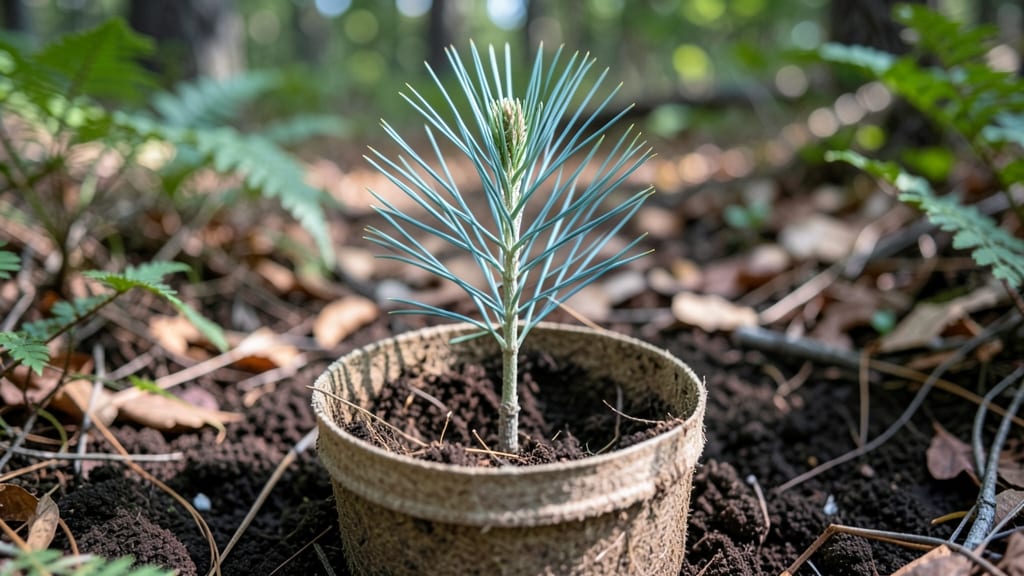
Growing pine cone seedlings starts with fresh pine cones, warm water, and careful handling: soak cones overnight to soften their scales, carefully extract the seeds, plant them in moist potting mix, and maintain indirect light until germination occurs (typically between 2-6 months). Avoid overwatering and use a humidity dome for optimal results.
Pine cones act as nature's protective packaging for seeds, often requiring specific conditions to break dormancy.
The overnight soak mimics natural rainfall, softening the scales enough to reveal the tiny seeds inside—some species even need a period of cold stratification to germinate properly. 🌱 Once you've planted them, consistent moisture and warmth (without direct sunlight) create the ideal environment for those delicate sprouts to emerge.
Many gardeners swear by using clear plastic bags as mini humidity domes to keep the soil evenly moist without overwatering.
What surprises most beginners is how patient this process needs to be. Those 2-6 months of waiting can feel like forever, but it's worth it when you see those first green needles push through the soil.
I've found that using a mix of peat moss and perlite gives seedlings the perfect balance of moisture retention and drainage, while a simple spray bottle keeps humidity levels just right without drowning the roots.
💡 In This Article
- How Pine Cone Germination Works Naturally
- Budget-Friendly Pine Seedling Setup Guide
How pine cone germination works naturally
Pine seeds enter a state of dormancy to survive harsh conditions, with their tough outer shells protecting them from drying out or being eaten.
This natural defense mechanism requires specific triggers to break dormancy: moisture absorption softens the seed coat, while cold stratification (a period of chilling) mimics winter conditions that many pine species need to germinate.
The cone itself acts like a protective umbrella, shielding seeds until environmental conditions become favorable—usually after forest fires or heavy rains in their native habitats.
The germination process begins when water penetrates the seed coat, causing it to swell and weaken. For some pine species like ponderosa or jack pine, this requires 30-90 days of cold, moist conditions at temperatures between 35-45°F—a process called scarification.
Without this chilling period, seeds might remain dormant for years. Once activated, the seed absorbs more moisture, and enzymes break down stored nutrients to fuel the tiny root's growth downward while the shoot pushes upward toward light.
Light plays a critical role too: most pine seedlings need indirect sunlight (about 6-8 hours daily) to prevent legginess but avoid scorching. Direct sun can overheat the delicate seedlings, while too little light causes weak, etiolated growth.
The seed's natural oils also help regulate moisture absorption—too much water can suffocate the seed, while too little keeps it dormant. This is why gardeners often use 50-70% humidity and a humidity dome to replicate the forest floor's microclimate.
What makes pine germination fascinating is how species vary in their requirements. For example, lodgepole pine seeds need fire to open their cones—heat from 150-200°F causes the scales to release seeds, which then germinate in the nutrient-rich ash.
Meanwhile, white pine seeds germinate more readily after simple soaking. Understanding these differences helps gardeners choose the right approach for their specific pine species.
One common misconception is that all pine seeds germinate quickly—some take 6 months or longer because they're adapted to slow, steady growth in their natural environments. Patience is key: the seed's internal clock ensures it only sprouts when conditions are optimal for survival.
This biological timing explains why some gardeners see germination in 4-6 weeks while others wait nearly a year.
The cone's role extends beyond protection—its structure helps disperse seeds efficiently. As the cone dries, it opens wider, releasing seeds when conditions are driest (and least likely to drown them). This clever design ensures seeds land in well-drained soil, where they can establish roots before the next rainy season. 🌲