Featured
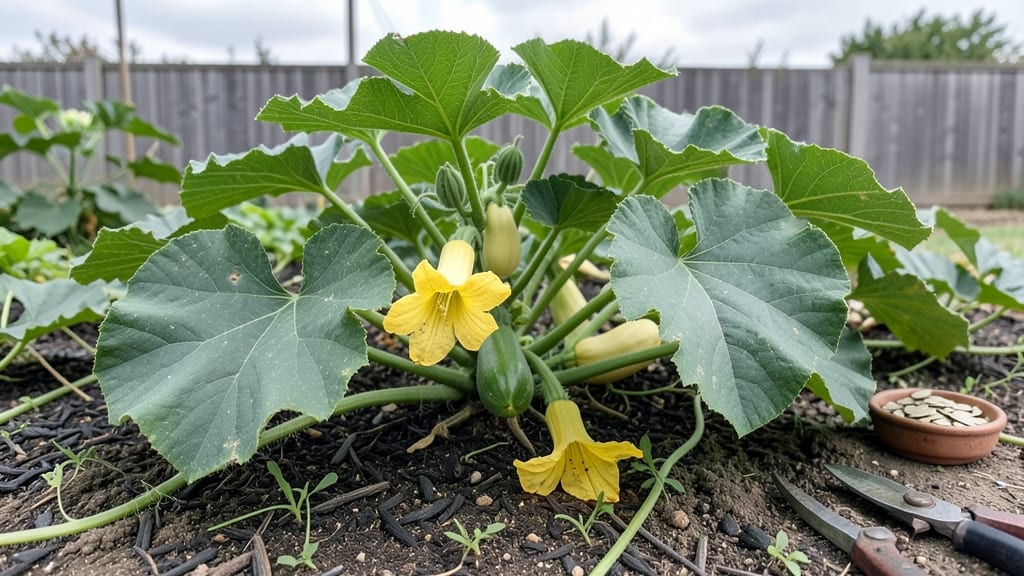
Yes, chickens can eat squash seeds safely in moderation, as they provide fiber and nutrients, but avoid feeding moldy or salted seeds. Raw or cooked seeds are fine, though hard shells may require crushing for younger birds.
Squash seeds offer chickens a natural source of protein and healthy fats, supporting their immune systems and egg production. 🌱 I’ve noticed my hens enjoy them as a tasty treat, especially when mixed into their regular feed.
However, moderation is key—overfeeding can lead to weight gain or digestive upset, particularly in younger birds with sensitive stomachs.
For best results, remove any seeds from spoiled or salted squash before offering them to your flock. Cooking softens the shells slightly, making them easier to digest, but always introduce new foods gradually to monitor your chickens’ reactions.
💡 In This Article
- Nutritional Value of Squash Seeds for Chickens
- Safe Squash Seed Feeding Tips for Backyard Flocks
Nutritional value of squash seeds for chickens
Squash seeds pack a nutrient-dense punch for chickens, offering a balanced profile that supports their overall health. A 1-ounce (28-gram) serving contains approximately 15 grams of healthy fats, primarily unsaturated fats like linoleic acid (about 50% of total fat content), which supports feather health and energy levels.
These seeds also provide 9 grams of protein per ounce—comparable to pumpkin seeds but with slightly lower fat content, making them a leaner option for weight management.
The mineral content is particularly impressive, with 25% of the daily recommended magnesium for chickens, which aids muscle function and nerve signaling. Squash seeds also deliver 10% of daily zinc, crucial for immune function and skin health, and 8% of daily iron, supporting red blood cell production.
Unlike sunflower seeds (which can be high in fat and low in calcium), squash seeds offer a more balanced mineral profile that contributes to strong eggshell formation when fed in moderation. 🔥
Fiber content in squash seeds (about 3 grams per ounce) promotes healthy digestion, preventing common issues like crop impaction or diarrhea. The insoluble fiber helps move food through the digestive tract efficiently, while the soluble fiber feeds beneficial gut bacteria.
This makes squash seeds an excellent alternative to processed grains, which can sometimes cause digestive upset in chickens. The high fiber-to-fat ratio also makes them a better choice than sunflower seeds for chickens prone to obesity.
For egg-laying hens, the combination of protein and healthy fats in squash seeds directly supports egg production. Studies show that hens fed diets supplemented with 5-10% seeds (like squash or pumpkin) experience improved yolk quality and color intensity.
The carotenoids in squash seeds (like lutein and zeaxanthin) are particularly beneficial—they're converted into pigments that give egg yolks their vibrant orange hue, a trait highly valued in commercial and backyard flocks alike.
When comparing squash seeds to other common chicken treats, they stand out for their versatility. Pumpkin seeds offer similar protein and fat content but with a harder shell that may require more preparation.
Sunflower seeds, while protein-rich, contain nearly 50% more fat (about 25 grams per ounce) and lack the same mineral diversity. This makes squash seeds a more balanced option for daily feeding, especially for chickens on a diet that already includes higher-fat treats like mealworms or scratch grains.
One often-overlooked benefit is the natural moisture content in fresh squash seeds. When fed raw (after drying), they retain about 10% moisture, which helps prevent dehydration—a common issue in hot climates or during molting seasons.
This is particularly useful for free-range chickens that may not always have access to fresh water sources. The seeds' slightly sweet, nutty flavor also makes them an appealing addition to foraging mixes or scratch feeds. ✨