
Featured
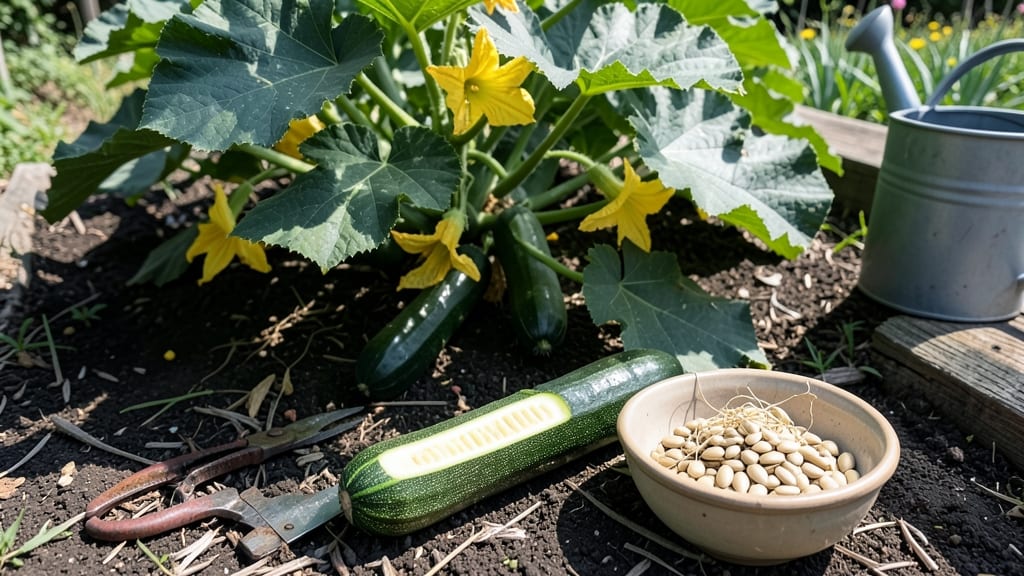
Zucchini seeds are safe for chickens to eat in moderation, offering small amounts of fiber and nutrients without toxicity. However, feeding too many can cause digestive issues due to their hard shells and moisture content. Always serve them fresh or lightly dried, and never moldy or spoiled.
Zucchini seeds contain healthy fats, protein, and minerals like magnesium and zinc, but chickens can't digest them easily in large amounts. 🌱 The hard outer shell may cause choking or blockages, especially in younger birds, while excess moisture can lead to messy droppings.
I recommend offering seeds as a rare treat—no more than a teaspoon per chicken weekly—while focusing on their natural diet of insects and balanced feed.
For variety, you can also share the zucchini flesh or peels (washed thoroughly) with your flock, as these are safer and more nutritious. Just avoid feeding any part of the plant that's been treated with pesticides or herbicides, as these chemicals can harm chickens.
When in doubt, stick to organic produce!
💡 In This Article
- Nutritional Value of Zucchini Seeds for Chickens
- Safe Feeding Practices for Chicken Zucchini Seeds
Nutritional value of zucchini seeds for chickens
Zucchini seeds pack a surprising nutritional punch for chickens, offering roughly 20-25% protein by weight—similar to pumpkin seeds but with slightly less fat (30-35% fat compared to pumpkin's 40% fat).
The protein content helps support muscle development and feather health, while the 3-5% fiber aids digestion by promoting gut motility. These seeds also contain essential minerals like magnesium (300-400mg per 100g) and zinc (5-7mg per 100g), which support immune function and egg production in laying hens.
The hard outer shell of zucchini seeds contains cellulose and lignin, which chickens can't easily break down. Unlike pumpkin seeds (which have a softer shell), zucchini seeds require more effort to crack open, making them a mental stimulation challenge for chickens rather than an easy snack.
The inner seed itself is rich in polyunsaturated fats, particularly omega-6 fatty acids, which help maintain healthy skin and reduce inflammation—though chickens produce their own omega-3s from insects, so balance is key.
What most people overlook is how zucchini seeds compare to other garden seeds chickens can eat. Pumpkin seeds, for example, have more fat (40% vs. 30-35%) but less protein, while sunflower seeds offer 20% protein but with higher fat content (50% fat).
The key difference? Zucchini seeds have a lower moisture content (50-60%) than pumpkin seeds (60-70%), making them slightly safer in moderation since excess moisture can lead to messy droppings or even crop impaction in young chicks.
The real benefit lies in the antioxidant profile—zucchini seeds contain vitamin E (10-12mg per 100g) and lutein, which support cellular health and vision. However, chickens don't have the same antioxidant needs as humans, so these nutrients are more about variety than necessity.
The hard shell isn't just a challenge—it's a natural deterrent against overconsumption, which is why chickens will typically peck at seeds but rarely gorge on them.
Here's what happens when chickens eat zucchini seeds in proper amounts: Their digestive system processes the soft inner seed efficiently, while the fiber content helps regulate bowel movements. The fats provide energy, and the minerals support overall health without overloading their system.
The hard shell acts as a built-in portion control, preventing chickens from eating too many at once—a smart evolutionary design! 💫
For comparison, a teaspoon of zucchini seeds (about 5g) provides roughly 1% of a chicken's daily protein needs, making them a minor but valuable supplement.
When offering seeds, always crush a few lightly with a mortar and pestle to help younger chickens digest them more easily, while leaving some whole for foraging fun.