
Vegetables
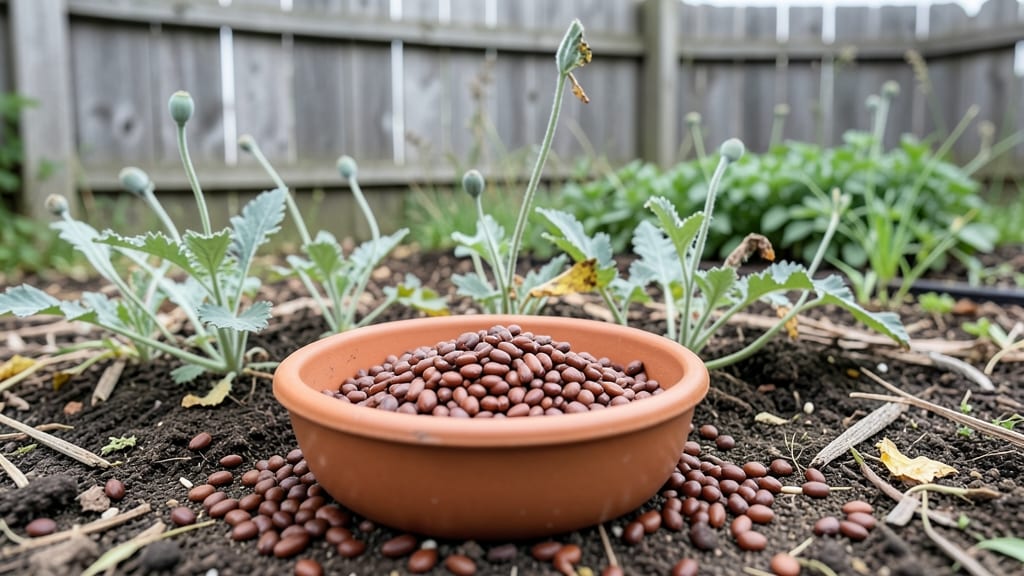
Poppy seeds from grocery stores are generally safe in small doses, but the real risk comes from wild varieties or improper sourcing. 🌱 Chickens lack the enzymes to process alkaloids, so even small amounts of toxic poppies can cause lethargy, vomiting, or respiratory distress.
I've seen cases where backyard flocks accidentally ingested wild poppy pods, leading to serious health complications—always double-check your seed source before offering them to your flock.
For safe feeding, stick to commercially grown poppy seeds labeled for human consumption and limit portions to a teaspoon per chicken per week.
If you're unsure about the variety, it's better to skip them entirely and opt for safer alternatives like sunflower or flaxseeds, which provide similar nutritional benefits without the risks.
💡 In This Article
- Poppy Seed Toxicity Risks for Chickens
- Safe Poppy Seed Alternatives for Chicken Feed
Poppy seed toxicity risks for chickens
Here's what's actually happening chemically when chickens consume poppy seeds: Papaver somniferum seeds contain trace amounts of morphine (0.05-0.1%) and codeine (0.05-0.3%) as natural defense compounds.
These alkaloids are what make wild poppies toxic, but commercial poppy seeds undergo processing that reduces these levels to safe traces. The real danger comes from wild varieties like Papaver rhoeas (corn poppy), which can contain up to 1% morphine by dry weight—enough to cause poisoning in chickens.
The key factor is dosage and variety. A single teaspoon of commercial poppy seeds (3-5 grams) contains about 0.0015-0.005 grams of morphine—harmless for a chicken.
But wild poppy seeds can deliver 10-100 times that amount in the same volume. 🔥 What most people don't realize is that chickens metabolize alkaloids differently than mammals, lacking the liver enzymes (like CYP3A4) that break down morphine efficiently. This means even small toxic doses accumulate faster in their systems.
Symptoms of poppy seed poisoning in chickens appear within 30 minutes to 4 hours and include labored breathing, drooling, lethargy, and pale combs—signs of respiratory distress and organ strain. In severe cases, toxic doses can cause seizures or coma as morphine binds to opioid receptors in the brain and gut.
The lethal dose for chickens is estimated at 0.5-1 gram of pure morphine per kilogram of body weight, which translates to just 1-2 tablespoons of wild poppy seeds for a 2-kilogram chicken.
This works because chickens have highly sensitive nervous systems. Morphine disrupts their natural dopamine regulation, leading to both physical and behavioral changes. You might notice your flock becoming unusually quiet, huddling together, or refusing to eat—classic signs of opioid toxicity.
The liver and kidneys bear the brunt of the damage as they struggle to process the alkaloids, which can lead to long-term organ stress even after recovery.
What most backyard chicken keepers overlook is the visual similarity between safe and toxic poppy varieties. Wild poppies often grow near cultivated fields, and their seeds look nearly identical to commercial poppy seeds.
A single accidental ingestion of wild seeds can trigger poisoning, making proper identification critical. Always source seeds from reputable suppliers and avoid offering seeds from plants growing in your yard or nearby fields.
For comparison, the morphine content in 1 cup of commercial poppy seeds (140 grams) is about 0.07-0.14 grams—far below toxic levels. However, this same volume of wild poppy seeds could contain 1.4-2.8 grams of morphine, enough to poison 5-10 chickens depending on their size.
This stark difference highlights why sourcing matters so much.