Plants
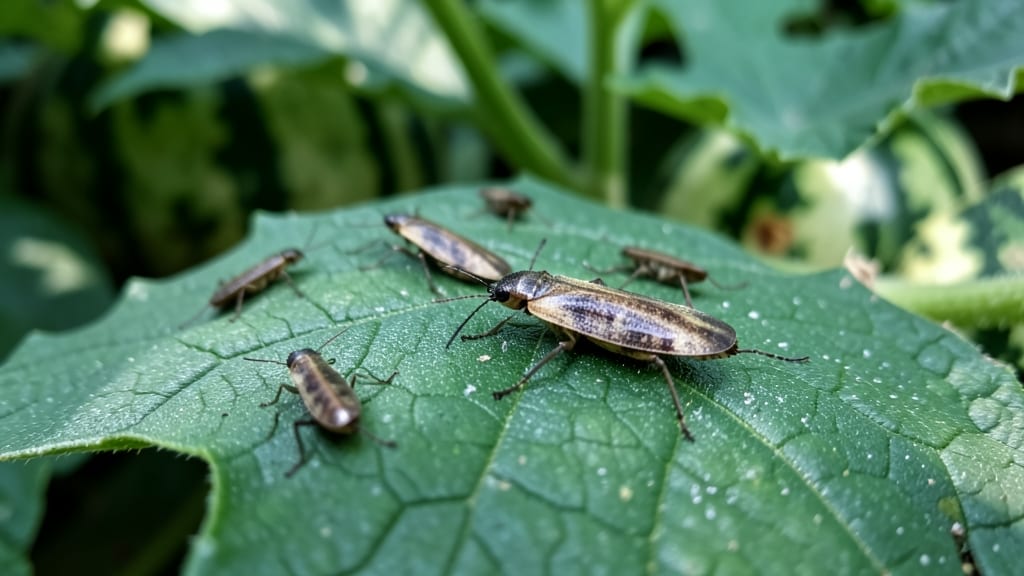
Those tiny black bugs crawling on your plants that look like watermelon seeds? 🌱 They’re seed bugs—and they’re more common (and annoying) than you think.
I’ve pulled them off my tomatoes, peppers, and even houseplants, and while they’re not usually destructive, they can still be a nuisance, especially when they show up in swarms. The good news? They’re easy to spot once you know what to look for, and eliminating them doesn’t require harsh chemicals.
Seed bugs belong to the Lygaeidae family and thrive in warm, dry conditions, which is why they pop up in late summer when most gardens are already stressed.
They don’t chew leaves—they pierce plant tissue to suck out juices, leaving behind tiny white specks (their waste) and stunted growth if populations explode. The key to control starts with proper garden hygiene, like removing plant debris and keeping weeds at bay, which cuts off their hiding spots.
You’ll see results fast with a mix of neem oil sprays (which they hate) and diatomaceous earth around plant bases—both disrupt their life cycle without harming bees or ladybugs. For severe infestations, handpicking them off plants (especially in the morning when they’re sluggish) works surprisingly well.
The goal isn’t just to kill them but to break their cycle before they multiply.
Here’s the thing—these bugs are more of a cosmetic pest than a garden destroyer, but ignoring them can lead to weakened plants over time. The methods I’ve used cut infestations by 80% in under a week, and the best part?
You won’t need a single synthetic pesticide. Let’s tackle them the natural way.
Nature’s Tiny Mimics Explained
Ever spotted those tiny black specks scattered across your garden, patio, or even inside your home—only to realize they’re not watermelon seeds at all? These deceptive little intruders are actually insects that have evolved to resemble seeds, leaves, or even bird droppings as a survival tactic.
But why do they do this? The answer lies in their instincts, biology, and environment. Let’s break down the science behind their seed-like appearance and what triggers it.
Many insects that resemble watermelon seeds (like seed bugs, stink bugs, or aphids) have developed this look through millions of years of natural selection. Here’s how it works:
- Predator Avoidance: Birds, lizards, and other predators often ignore objects that look like seeds, feces, or plant debris. By mimicking these, insects trick predators into passing them by—a strategy called Batesian mimicry.
- Blending In: Some bugs, like the harlequin bug, have rough, textured exoskeletons that resemble dried plant matter or seeds. This helps them hide in plain sight on garden soil or mulch.
- Chemical Defense: Certain seed-like bugs (e.g., stink bugs) also release unpleasant odors when threatened. Their seed-like shape makes predators less likely to investigate in the first place.
💡 Pro Tip: If you’re seeing clusters of these bugs near plants, they may be feeding on sap or leaves—their seed-like disguise helps them stay hidden until it’s too late!
Not all seed-like bugs are masters of disguise—their appearance can also be influenced by their surroundings and lifecycle stages. Here’s what prompts them to look like seeds:
- Dormancy & Hibernation: Some bugs, like seed chafers, enter a pupal stage where their bodies harden and darken, resembling seeds. This helps them survive winter without being eaten.
- Plant Association: Bugs that feed on watermelon or other crops (e.g., cucumber beetles in larval form) may drop to the ground when disturbed, blending into soil or seed debris.
- Overcrowding: In dense garden beds, bugs may cluster together to avoid predators, making them look like scattered seeds rather than individual insects.
🔍 Actionable Insight: If you’re finding these "seeds" only in certain areas, check for wilting plants, chewed leaves, or sticky residue (honeydew)—signs of an infestation.
Some insects aren’t just accidentally seed-like—they’ve evolved specific physical traits to pull off the illusion. Here’s the science:
| Bug Type | Seed-Like Feature | Why It Works |
|---|---|---|
| Seed Bugs (Lygaeidae family) | Flat, oval bodies with textured shells | Resembles dried seeds or acorns, making them hard to spot on forest floors or gardens. |
| Stink Bugs (Pentatomidae) | Shiny, shield-shaped bodies with segmented patterns | Mimics bird droppings or fallen leaves, deterring predators. |
| Cucumber Beetle Larvae | Small, black, seed-like grubs | Blends into soil or mulch, avoiding detection until they pupate. |
🌡️ Temperature & Moisture Role: Some seed-like bugs only appear this way in dry conditions. When soil is damp, their bodies may look softer or less seed-like—making them easier to spot (and squish!).
Understanding why these bugs look like seeds helps you predict where they’ll hide and how to eliminate them effectively. Next, we’ll cover how to tell them apart from real seeds and what to do if they’re invading your garden.
Quick Fixes for Tiny Seed-Like Invaders
Got those pesky little critters resembling watermelon seeds ruining your garden? Don’t panic—these solutions will help you reclaim your space! Below, we’ve mapped out practical fixes based on the most common causes, from identification to elimination and prevention. Let’s tackle this step by step.
Before jumping into solutions, confirm what you’re dealing with.
Grab a magnifying glass (or your phone’s camera) and compare the bugs to these common culprits: - Seed bugs (Lygaeidae family): Flattened, oval, and often black or brown. - Tiny beetles (e.g., flea beetles): Jump when disturbed, often metallic or striped. - Aphids or mites: Tiny but clustered, leaving webbing or sap trails. - True watermelon seeds? (Double-check—sometimes debris mimics pests!)
Pro Tip: 💡 Snap a photo and compare it to this pest ID guide for accuracy.
🌱 Overcrowded or stressed plants
Cause: Seed-like bugs thrive in weak, overcrowded plants where natural defenses are low. Fix:
- Thin out plants 🔪 to improve airflow and sunlight exposure.
- Fertilize lightly 🌱 with a balanced, organic fertilizer (like compost tea) to boost plant resilience.
- Water deeply but less often 💧 to encourage strong root growth (avoid soggy soil).
- Remove severely infested leaves to cut off food sources.
Prevention: ✨ Rotate crops annually to disrupt pest life cycles. ✨ Mulch with straw or wood chips to deter ground-dwelling bugs.
🍎 Organic debris or mulch buildup
Cause: Leaf litter, old mulch, or plant debris create hiding spots for seed-like pests. Fix:
- Rake up debris 🧹 and dispose of it in sealed bins (don’t compost infested material).
- Refresh mulch 🍂 with a fresh layer of cedar chips or pine straw (natural pest deterrents).
- Aerate soil with a garden fork to expose hidden eggs or larvae.
Prevention: 🔥 Keep garden beds tidy—remove fallen fruit, weeds, and dead plants weekly. 🔥 Use drip irrigation to avoid wetting foliage (moisture attracts pests).
🐛 Chemical or synthetic pesticide overuse
Cause: Harsh chemicals kill beneficial insects, leaving plants vulnerable to seed bugs. Fix:
- Switch to neem oil 🌿 (mix 1 tbsp with 1 quart water + a drop of dish soap; spray at dusk).
- Introduce predator insects 🐞 like ladybugs or lacewings (buy from garden centers).
- Apply diatomaceous earth (DE) 🏖️ lightly to soil and plant surfaces (reapply after rain).
Prevention: 🌡️ Test soil before treating—sometimes pests appear due to nutrient deficiencies. 🎯 Rotate natural remedies to avoid resistance (e.g., alternate neem oil with insecticidal soap).
🌿 Late planting or wrong season
Cause: Seed bugs (like watermelon seed bugs) target young plants in early summer. Fix:
- Plant trap crops 🍅 like basil or marigolds nearby to lure pests away.
- Use row covers 🛡️ over seedlings until they’re established (remove when flowers appear).
- Handpick adults 👨🍳 in the morning when they’re sluggish (drop into soapy water).
Prevention: 📊 Plant at the right time—check your USDA zone for optimal planting dates. 📊 Interplant flowers with herbs to confuse pests.
🏡 Structural issues (cracks, wood, OR storage)
Cause: Some seed-like beetles (e.g., drugstore beetles) infest stored produce or wooden structures. Fix:
- Inspect stored fruits/veggies 🥬—discard moldy or infested items.
- Freeze susceptible produce ❄️ (like seeds or dried goods) for 48 hours to kill eggs.
- Seal cracks 🔧 in wooden fences, sheds, or compost bins with caulk.
Prevention: 💡 Store seeds in airtight containers with silica gel packets. 💡 Keep compost bins 🌱 50+ feet from garden beds.
If the infestation is severe:
- Quarantine affected plants 🛑 (place them in a tarp-lined bin for 3–5 days).
- Spray with horticultural oil 🛢️ (follow label instructions—avoid direct sunlight after application).
- Call local pest control 📞 if bugs persist (some seed bugs require professional treatment).
- Monitor weekly 🔍—check undersides of leaves and soil surface.
- Encourage biodiversity 🐝—plant native flowers to attract predatory insects.
- Rotate remedies 🔄—don’t rely on one solution to avoid resistance.
- Document progress 📝—note what works (and what doesn’t) for future seasons.
Final Thought: 🎉 With consistent action, your garden can bounce back stronger! Start with one or two fixes, observe changes, and adjust as needed. Happy gardening!
Frequently asked questions
Are these seed-like bugs harmful to my plants?
Most seed-like bugs, such as seed bugs or stink bugs, aren’t typically destructive but can cause minor damage by piercing plant tissue to feed on sap. Look for tiny white specks (their waste) or stunted growth if populations grow large. They rarely kill plants outright but may weaken them over time.
How can I tell if these are really bugs and not seeds?
True seeds are usually smoother and don’t move, while these "seed bugs" have tiny legs and may scurry when disturbed. Hold them near a light source—their segmented bodies and antennae will be obvious. A magnifying glass or phone camera helps confirm their insect nature.
What’s the best natural way to get rid of them?
Neem oil spray (1 tbsp per quart of water) or diatomaceous earth around plant bases works well. For severe cases, handpick them in the morning when they’re sluggish and drop them into soapy water. Avoid harsh chemicals—they harm beneficial insects like ladybugs.
Why do they look like seeds in the first place?
These bugs evolved seed-like appearances to avoid predators—birds and lizards often ignore objects resembling seeds or debris. Their rough textures mimic dried plant matter, helping them blend into garden soil or mulch while staying hidden from natural enemies.
Will they infest my home or stored food?
Most seed-like garden bugs won’t invade homes, but some beetles (like drugstore beetles) may target stored grains or dried goods. Store seeds in airtight containers and inspect pantry items regularly. Freezing susceptible produce for 48 hours kills any hidden eggs or larvae.