Pests
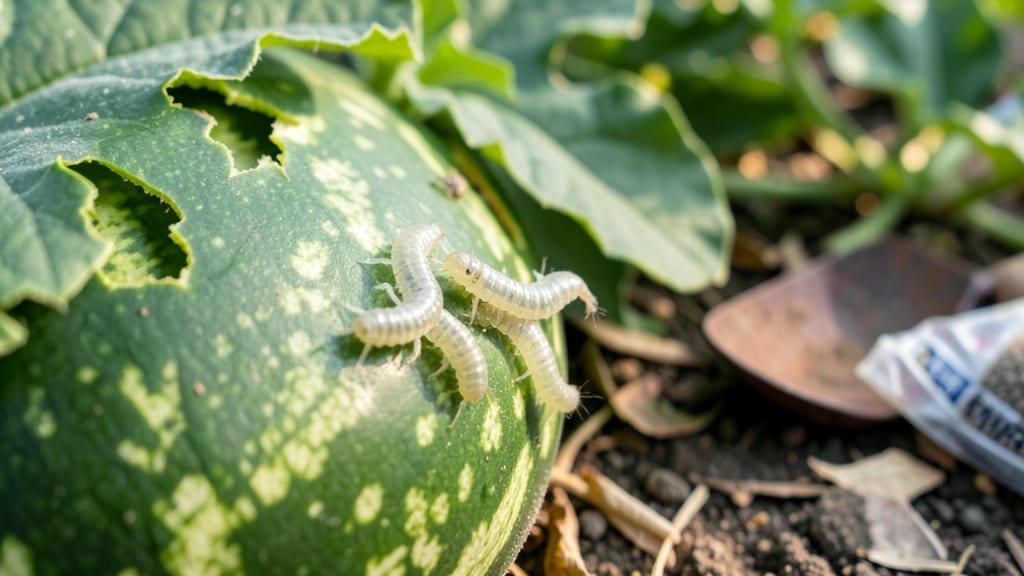
Watermelon seed worms turn your prized harvest into a chewed-up mess before you even slice into them. 🌱 I’ve watched those tiny green larvae devour the insides of perfectly ripened melons—until I learned how to stop them without poisoning the fruit itself.
The key is catching them early, when the damage is still small and fixable.
These pests aren’t picky—they’ll attack cantaloupes, honeydews, and even squash if left unchecked. But here’s the good news: you don’t need harsh chemicals to win this battle. Simple traps, timely removal, and a few preventative tricks keep your melons safe while protecting bees and other pollinators.
The worst part? Most gardeners don’t spot the signs until it’s too late.
By the time your melon’s rind turns dull and the flesh feels hollow when tapped, the worms have already done their damage. But with the right approach—like checking vines weekly and using organic sprays—you’ll salvage more fruit and keep next year’s harvest intact.
This method works even for beginners, and it’s safer than store-bought pesticides.
The best part? Once you know what to look for, seed worms become easy to manage. No more ruined melons, no more wasted effort. Here’s exactly how to break the cycle—starting with the first sign of trouble.
The Hidden Invaders Behind Damaged Seeds
Watermelon seed worms—scientific name Diaphania nitidalis—aren’t just a nuisance; they’re the sneaky culprits turning your juicy watermelon into a worm-infested disappointment. But why do they target your fruit in the first place?
The answer lies in a mix of environmental triggers, plant vulnerabilities, and even human habits. Let’s break down the key reasons these pests strike.
Seed worms are drawn to watermelons that are already compromised. When fruit softens or develops small wounds—from hail, birds, or even rough handling—it releases sugars and odors that act like a neon "eat me" sign. Here’s why:
- Sugar leakage: Damaged cells release fructose and glucose, which ferment and emit alcohols and esters—compounds that attract adult moths for egg-laying.
- Texture changes: Overripe or bruised flesh is easier for larvae to penetrate, giving them a head start on tunneling.
- Moisture buildup: Injured spots trap humidity, creating the perfect breeding ground for hatching larvae.
Actionable fix: Harvest watermelons at peak ripeness (when the tendril near the stem turns brown) and inspect for bruises before storage. Use row covers early in the season to block adult moths from spotting weak spots.
Seed worms thrive in cluttered, neglected growing spaces. Their life cycle depends on hiding in debris, so if your garden is a buffet of old vines, fallen leaves, and unharvested fruit, you’re rolling out the welcome mat. Key contributors:
- Leftover plant matter: Cucumber, melon, and squash debris harbor pupating larvae over winter, ensuring a fresh infestation the next season.
- Weeds as hosts: Some wild vines (like Cucurbita species) act as alternative food sources, increasing moth populations near your crops.
- Dense foliage: Thick canopies trap heat and moisture, accelerating larval development.
Actionable fix: Clear garden beds of all plant residues after harvest, especially in fall. Rotate crops annually to disrupt their life cycle, and mulch with straw (not leaves) to deter egg-laying.
These worms aren’t just picky—they’re fast. In ideal conditions (75–85°F and 70%+ humidity), a seed worm can go from egg to adult in just 3–4 weeks. Why heat and moisture matter:
- Faster hatching: Eggs laid on fruit or leaves develop in 3–5 days when warm, giving larvae a jump on tunneling.
- Larval growth spurt: High humidity keeps their bodies hydrated, allowing them to burrow deeper and faster.
- Moth activity peaks: Adults are most active at dusk in warm weather, timing egg-lays to coincide with ripe fruit.
Actionable fix: Monitor weather forecasts and use row covers during heatwaves. If possible, grow watermelons in cooler microclimates (like high elevations) or use reflective mulch to reduce soil temps.
Even after harvest, seed worms can sneak in if your storage game is weak. Common oversights:
- Unwashed fruit: Larvae can hitch a ride on dirt or debris clinging to the rind, then tunnel in during storage.
- Ethylene gas buildup: Storing watermelons with apples or tomatoes releases ethylene, which softens fruit faster—making it easier for worms to invade.
- Poor ventilation: Plastic bins trap moisture, creating a worm paradise. Larvae can survive for months in damp conditions.
Actionable fix: Rinse watermelons thoroughly before storage and let them dry completely. Store in well-ventilated crates or perforated plastic bags, and keep them in a cool (50–55°F), dry place.
Understanding these triggers is your first line of defense. The good news? With a few targeted adjustments—like timing harvests, tidying your garden, and controlling humidity—you can starve out these pests before they even get started. 🚫🐛
Quick Fixes for Watermelon Seed Worms
If your watermelons are already infested with seed worms, don’t panic—there are effective, natural ways to tackle the problem without sacrificing your harvest. The key is acting fast and targeting the larvae before they cause irreversible damage.
Below, we break down practical solutions based on the root cause, from organic sprays to garden tweaks, so you can reclaim your plants with minimal fuss.
---
If you spot wilted, discolored, or hollowed-out watermelons, the larvae are likely already inside. Here’s how to handle it: - 🍉 Cut out the bad spots: For small infestations, slice open the fruit and scrape out the larvae with a spoon or knife.
Discard the affected sections—do not compost them (larvae can survive and reinfest). - 🗑️ Dispose of heavily damaged fruit: If the entire melon is riddled with worms, remove it from the garden and seal it in a trash bag to prevent further spread. - 👨🍳 Check nearby vines: Inspect other melons on the same plant for early signs (tiny holes, webbing, or wilting).
Isolate affected plants if possible.
Pro Tip: 💡 Wear gloves when handling infested fruit—some gardeners report skin irritation from larvae secretions.
---
Seed worms (often Diabrotica or Acalymma species) are most vulnerable in their early larval stages.
Use these natural sprays as a preventive or curative measure: - 🔪 Neem Oil Spray (Best for prevention) - Mix 1 tbsp neem oil + 1 tsp mild soap in 1 quart of water. - Spray under leaves and soil surface where eggs may hatch. - Reapply every 5–7 days during peak worm season (late spring to summer). - Why it works: Disrupts larvae feeding and growth hormones.
- 🌿 Kaolin Clay Barrier - Apply a thin layer of kaolin clay (like Surround WP) to soil around plants. - Creates a physical barrier that deters adult beetles from laying eggs. - Bonus: Also repels other pests like aphids.
- 🧂 Saltwater Soak (For Small Gardens) - Mix 1 cup salt in 1 gallon of warm water and spray directly on infested soil (not plants). - Caution: Use sparingly—salt can alter soil pH over time.
---
Prevent future infestations by disrupting the worm’s life cycle: - 🌱 Rotate Plant Families - Avoid planting cucumbers, squash, or melons in the same spot for 3–4 years.
Seed worms thrive in familiar territory. - 🪴 Use Row Covers Early - Install floating row covers over young plants to block adult beetles from laying eggs. - Remove covers when flowers appear to allow pollination. - 🌿 Plant Trap Crops - Grow radishes or turnips nearby—adult beetles prefer them over watermelons. - Remove trap crops before they bolt to prevent egg-laying. - 🕳️ Encourage Beneficial Predators - Attract ground beetles, parasitic wasps, and spiders by: - Leaving leaf litter in garden edges. - Planting dill, fennel, or marigolds to lure predators.
---
| Stage of Infestation | Action Needed | Best Time to Treat | |--------------------------|--------------------------------------------|---------------------------------| | Eggs (tiny white dots) | Neem oil spray, kaolin clay | Early morning (eggs are vulnerable) | | Larvae (white grubs) | Saltwater soil treatment, crop rotation | Late afternoon (larvae feed actively) | | Adult Beetles | Row covers, trap crops | Evening (beetles are less active) |
Pro Tip: ✨ Check soil moisture—dry conditions stress larvae, making them easier to kill with natural sprays.
--- - ❌ Avoid chemical pesticides near harvest—they can contaminate fruit. - ❌ Don’t ignore wilting vines—seed worms spread quickly to healthy plants. - ❌ Skip soil testing—if your garden is chronically infested, test pH and fertility (imbalanced soil attracts more pests).
--- By combining immediate removal, organic sprays, and smart garden habits, you can minimize damage and protect your watermelon crop—without resorting to harsh chemicals. The key is consistency: stay vigilant, act early, and those pesky seed worms won’t stand a chance! 🍉💪
Frequently asked questions
How do I know if my watermelon has seed worms before cutting it?
Tap the melon gently—if it sounds hollow or mushy, larvae are likely inside. Look for tiny holes, webbing, or dark spots on the rind. Cutting a small section near the stem reveals white grubs if infested. Always inspect melons before storing to catch early signs.
Can I save a watermelon already eaten by seed worms?
Only if damage is minimal. Remove all visible worms and affected flesh with a knife, then store the rest in a cool, dry place. For heavy infestations, discard the fruit immediately—larvae can spread to other melons during storage.
What’s the best organic spray to prevent seed worms in watermelons?
Neem oil spray is most effective. Mix 1 tbsp neem oil + 1 tsp mild soap in 1 quart of water and apply every 5–7 days during peak season. Spray undersides of leaves and soil where eggs hatch. Kaolin clay also works as a protective barrier.
Will row covers stop seed worms from damaging my watermelons?
Yes, but only if installed early. Floating row covers block adult beetles from laying eggs. Remove covers during flowering to allow pollination, then reinstall after fruit sets. This method works best for prevention rather than treating existing infestations.
Can seed worms survive in stored watermelons?
Absolutely—they thrive in warm, humid conditions. Store melons in well-ventilated crates at 50–55°F and inspect weekly. Never store with ethylene-producing fruits (like apples) that soften the rind, making it easier for larvae to invade.