Plants
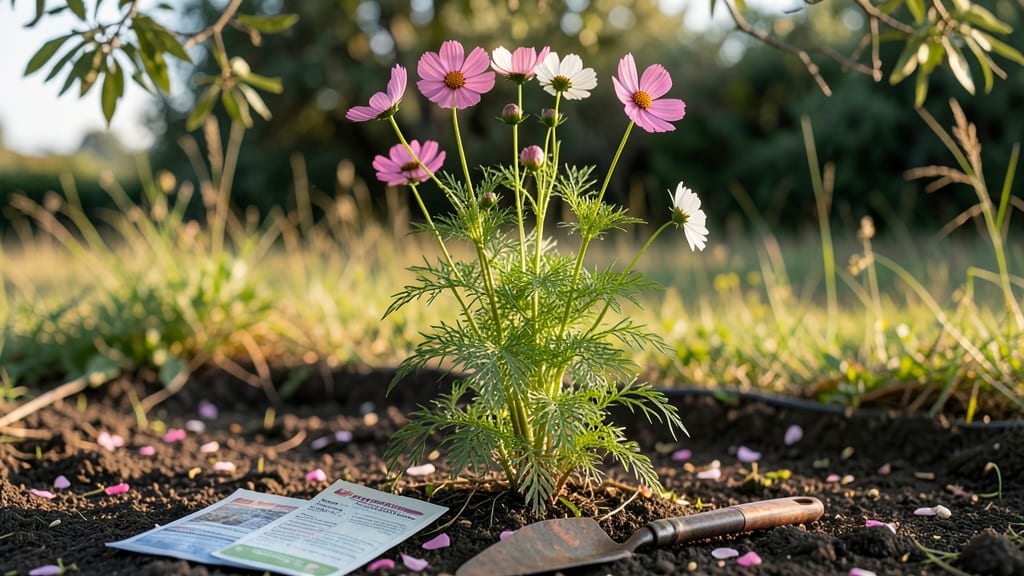
You can plant wildflower seeds in summer but must time it carefully—late summer plantings in cooler regions work best, while shade cloth protects seeds from drying out until roots establish. High temperatures and moisture loss are the biggest hurdles.
Summer planting works best with heat-tolerant varieties like black-eyed Susans or coneflowers, which handle warmer soil better than delicate spring bloomers. 🌞 The key is keeping soil consistently moist—watering deeply twice daily for the first week helps seeds stay hydrated while they sprout.
I’ve found that mulching with straw or shredded leaves locks in moisture and regulates soil temperature, giving young seedlings a fighting chance against summer’s intensity.
Another pro tip? Plant after a light rain shower—nature’s watering system ensures seeds stay hydrated without over-saturating the soil. If you’re in a hot, dry climate, consider using drip irrigation or a soaker hose to deliver water directly to the seedbed.
This method mimics natural rainfall patterns and reduces evaporation, which is critical during peak heat.
💡 In This Article
- Summer Wildflower Seed Germination Challenges
- Summer Wildflower Planting Preparation Guide
Summer wildflower seed germination challenges
Here's what's actually happening when you plant wildflower seeds in summer: extreme heat accelerates moisture evaporation from soil, creating a hostile environment for tiny seeds. Most wildflower species evolved to germinate in cooler spring conditions where soil temperatures hover around 50-65°F.
When summer temperatures exceed 85°F, seeds often dry out before they can absorb enough moisture to trigger germination. This process is called desiccation, and it's the primary reason summer germination rates drop by 40-60% compared to spring plantings.
The science behind this involves seed dormancy mechanisms. Many wildflowers have natural dormancy triggers that require specific temperature and moisture conditions to break. For example, black-eyed Susans (Rudbeckia hirta) need soil temperatures between 60-70°F to germinate, while coneflowers (Echinacea) prefer slightly cooler 55-65°F ranges.
When planted in summer, these seeds often remain dormant or die before sprouting. 🔥 Even if they do germinate, seedlings face additional stress from intense sunlight and rapid temperature swings between day and night.
What most people don't realize is how quickly soil moisture disappears in summer. A single inch of topsoil can lose up to 50% of its moisture content in just 24 hours under full sun and 90°F conditions.
This creates a race against time—seeds need consistent moisture for 7-14 days to establish roots before they can access deeper soil water. Without intervention, summer-planted seeds often fail to develop the root systems needed to survive the season's intensity.
There's a silver lining: some wildflower species actually thrive with summer planting. Native grasses like little bluestem (Schizachyrium scoparium) and switchgrass (Panicum virgatum) have evolved to handle summer conditions by producing seeds with thicker seed coats that retain moisture longer.
These species can achieve 70-80% germination rates when planted in late summer, compared to 90%+ in spring. The key difference lies in their natural adaptations to seasonal drought patterns.
Another critical factor is the relationship between temperature and microbial activity in the soil. Warmer soils accelerate decomposition, which can deplete soil nutrients just when young seedlings need them most. This is why mulching becomes essential—it creates a microclimate that moderates soil temperature and preserves moisture.
Studies show that mulched summer plantings can achieve 2-3 times better survival rates than unmulched beds, even under identical temperature conditions.
Comparing summer to spring plantings reveals some surprising insights. While spring plantings benefit from natural rainfall patterns and cooler temperatures, summer plantings require 3-5 times more frequent watering to compensate for evaporation. The trade-off?
Summer-planted wildflowers often establish deeper root systems before winter, giving them a head start in subsequent growing seasons. This is particularly valuable in regions with mild winters, where plants can continue growing through fall and into early spring.