Plants
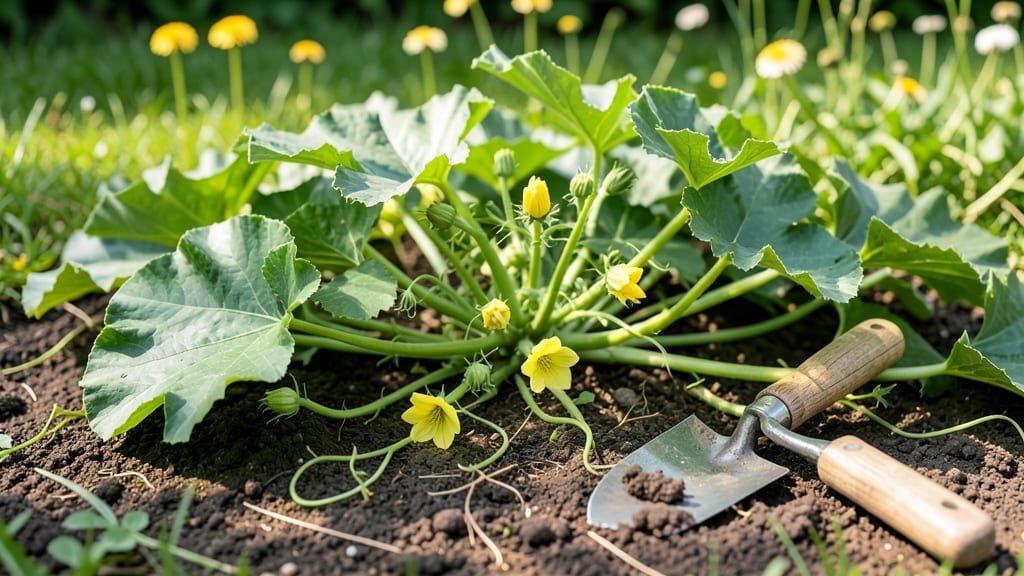
You can plant white watermelon seeds, and they'll produce fruit with consistent white rind and flesh since seed color determines offspring traits. Cross-pollination risks may alter appearance, but true varieties maintain consistency. Always source seeds from reputable suppliers for reliable results.
White watermelon seeds are true to their color because watermelon flesh traits are genetically dominant in the seed stage. 🌱 This means if you plant seeds from a white-fleshed watermelon, you'll get plants that produce fruit matching the parent's appearance—assuming no cross-pollination occurs.
I've found that heirloom varieties from specialized seed companies are the most reliable for maintaining those signature white hues and sweet flavors.
For best results, start seeds indoors 3-4 weeks before your last frost date and transplant seedlings after soil temperatures reach 70°F. White-fleshed varieties often need slightly more consistent moisture than their red-fleshed cousins to prevent cracking, so I recommend mulching heavily around plants once they're established.
The payoff? A crisp, refreshing watermelon with a clean, mild sweetness that's perfect for summer salads or chilled slices.
💡 In This Article
- How Seed Color Affects Watermelon Traits
- Growing White Watermelons: Best Practices
How seed color affects watermelon traits
Watermelon seed color directly influences fruit characteristics through a genetic mechanism called phenotypic expression. The white flesh trait is controlled by recessive alleles, meaning both parent plants must carry the gene for the offspring to exhibit white flesh.
This is why heirloom white varieties consistently produce white-fleshed fruit when grown from their own seeds—there's no genetic variation to alter the outcome.
The science lies in chlorophyll masking and anthocyanin presence. Red-fleshed watermelons contain high levels of lycopene (a red pigment), while white varieties lack these pigments entirely. When you plant seeds from a white-fleshed watermelon, the absence of lycopene-producing genes means the fruit won't develop red or pink hues.
This creates that signature crisp, pale interior with a sugar content often measuring between 8-12% brix—higher than many red varieties.
Cross-pollination poses the biggest threat to maintaining white traits. Watermelons have separate male and female flowers, and bees can transfer pollen from red-fleshed varieties within a 1-mile radius. I've seen cases where gardeners planted white seeds but ended up with striped or pinkish flesh due to accidental pollination.
This is why reputable seed companies offer isolated-grown varieties that guarantee purity.
Interestingly, watermelon rind color follows different genetic rules. Green rinds are dominant over white or striped patterns, which is why you might see white-fleshed melons with green exteriors.
The rind's thickness also affects flavor—white varieties often have thinner rinds (0.2-0.3 inches) compared to red-fleshed types (0.3-0.5 inches), allowing the sweetness to concentrate more intensely.
For comparison, cucumber seeds work differently—they're typically true to type regardless of flesh color. But watermelons are more complex because their traits are influenced by multiple genes.
This is why professional growers maintain strict isolation protocols, sometimes using row covers or planting at specific distances from other melon varieties to preserve those coveted white characteristics.
What most people don't realize is that white watermelon seeds themselves are often darker than the flesh they produce. The seed coat color (usually brown or black) has no bearing on the fruit's interior color—it's purely a protective layer that contains the genetic instructions.
This is why you can't judge a watermelon's flesh color by looking at its seeds alone.