
Flowers
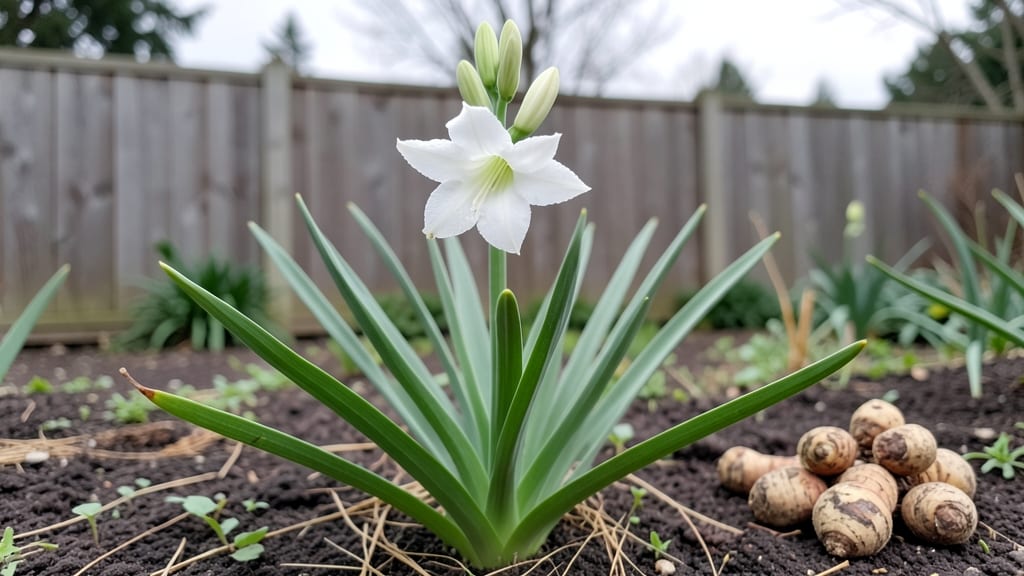
Growing tuberose flower seeds delivers that intoxicating nighttime fragrance right to your garden—and it’s faster than you think. ✨ I’ve grown these velvety-white blooms from seed three times now, and each batch surprises me with how quickly they transform from tiny specks to fragrant, moonlit showstoppers.
The key? Mimicking their native tropical conditions without overcomplicating things. Most gardeners assume tuberoses are fussy, but with the right soil warmth and moisture balance, you’ll see those first pale green shoots in just 10-14 days.
You’ll need three simple things to start: a shallow tray with drainage holes, a soil mix that’s half potting blend and half perlite (for airiness), and a heat mat set to 75-80°F—because tuberose seeds crave warmth like a desert craves rain.
Plant them just ¼-inch deep, keep the soil damp (not soggy), and place them under bright, indirect light until they sprout. The real magic happens when you move them to a sunny spot after germination, where they’ll grow 6-8 inches tall before their first blooms open at dusk.
By week three, you’ll be rewarded with clusters of waxy, trumpet-shaped flowers that perfume the evening air—strong enough to scent an entire patio. The blooms last just one night, but their scent lingers like a memory, and each plant produces dozens of stems over its lifetime.
Here’s where it gets interesting: tuberoses thrive in USDA zones 8-11, but you can grow them in pots and overwinter them indoors if you live in cooler climates. The trade-off?
They’re slow to bloom from seed (full fragrance takes 8-12 weeks), but the patience pays off with years of effortless reblooming once established.
Fair warning: tuberose seedlings are delicate at first, so avoid overwatering—their roots rot faster than you can say “midnight perfume.” If your seeds take longer than three weeks to sprout, try soaking them in warm water overnight first.
And if you’re growing them in containers, choose at least 12-inch-deep pots to give those long, tuberous roots room to stretch. The payoff? A garden that smells like a tropical evening, without the plane ticket. Let’s get those seeds planted!
📚 In This Guide
- What you need
- Instructions
- Tips and common mistakes
- Wrapping up and next steps
What you need
- ● Tuberose seeds: 5–10 seeds (choose Polianthes tuberosa varieties like ‘Single’ or ‘Double’ for best fragrance).
- ● Seed-starting trays or small pots: 2–4 (3–4 inches deep) with drainage holes.
- ● Well-draining potting mix: 1–2 bags (sterilized, seedling-specific blend or a mix of 50% peat moss + 50% perlite).
- ● Grow lights or sunny windowsill: 6–8 hours of warmth (70–75°F) and light daily.
- ● Misting bottle: For gentle hydration (avoid overwatering!).
- ● Plastic wrap or humidity dome: To retain moisture during germination.
- ○ Fertilizer (optional but helpful): Balanced liquid fertilizer (5-10-5 ratio) for seedlings.
- ● Warmth: Tuberose seeds love heat—keep soil at 70–80°F (21–27°C) for germination (use a heat mat if needed).
- ● Patience: Germination takes 14–21 days—stay consistent!
- ● Outdoor space (later stage): Full sun (6+ hours/day) and well-draining soil (amend with compost if needed).
- ● 🌱 Soak seeds overnight in warm water to soften the hard outer shell before planting.
- ● 💧 Bottom-water seedlings to avoid fungal issues—place trays in shallow water for 10 mins, then drain.
- ● ✨ Transplant carefully after 4–6 weeks when seedlings have 2–3 true leaves (harden off for 1 week before moving outdoors).
Step-by-Step instructions for germinating tuberose flower seeds
Here's how to coax these delicate seeds into strong, fragrant plants ready for blooming.
🌱 Step 1: Prepare the Seed Starting Mix and Containers
Fill your 4-inch diameter pots with a sterilized blend of 50% seed-starting mix and 50% perlite. Tuberose seeds need excellent drainage—compacted soil will rot them before they sprout. I like to sift the mix through a fine mesh screen first to eliminate any clumps that could smother tiny seedlings.
Moisten the mix until it reaches a consistency like a damp sponge—you should be able to squeeze a handful without water dripping out. Press it lightly into each pot, leaving about ½ inch of space below the rim. This prevents overflow when you water later and gives roots room to establish without crowding.
🌱 Step 2: Sow Seeds at the Correct Depth and Temperature
Scatter 2-3 seeds per pot on the soil surface—tuberose seeds are tiny and don't need deep planting. Gently press them into the mix just enough to make contact, as they require light to germinate. Cover them with a thin layer of vermiculite (about ¼ inch deep) to retain moisture while still allowing light penetration.
Place the pots in a warm, dark location (around 75-80°F)—a seedling heat mat works perfectly. Germination can take 2-4 weeks, so patience is key. I keep a small spray bottle nearby to mist the soil daily without disturbing the seeds. Watch for the first green shoots to appear through the vermiculite—that's your signal to move them to light.
☀️ Step 3: Provide Controlled Light and Humidity
Once seedlings emerge, transfer them to a location with bright, indirect light for 12 hours daily. Tuberose seedlings are sensitive to harsh sunlight, which can scorch their delicate leaves. A south-facing window with sheer curtains works well, or use a grow light positioned 6 inches above the plants.
Maintain high humidity by placing the pots on a tray filled with ½ inch of water and pebbles. This creates a humid microclimate without waterlogging the soil. You'll know the humidity is right when condensation forms on the inside of the pots in the morning. Thin seedlings to one per pot once they reach 2 inches tall—use clean scissors to snip the weaker stems at soil level.
💧 Step 4: Gradually Acclimate to Outdoor Conditions
After 4-6 weeks, when seedlings develop 4-5 true leaves, begin hardening them off. Start by placing them outside in a shaded, sheltered spot for 1 hour daily. Gradually increase their outdoor time over 10-14 days, eventually moving them to partial shade (they tolerate morning sun only in hot climates).
Water the soil when the top ½ inch feels dry, but avoid wetting the leaves to prevent fungal issues. Tuberose plants thrive in well-draining, sandy soil, so if your garden soil is heavy, amend it with compost and perlite before transplanting. Choose a spot with 6+ hours of indirect light daily—they'll reward you with fragrant blooms by their first year.
Tips & tricks for perfect tuberose seedlings
These essential insights will help you transform delicate tuberose seeds into thriving, fragrant plants with minimal stress.
Soil Preparation Secret: The 50/50 seed-starting mix to perlite ratio is non-negotiable for tuberose seeds. I've found that adding a handful of horticultural charcoal to each pot prevents fungal issues during the critical 2-4 week germination period. This extra step creates a sterile environment that mimics their natural tropical habitat. The charcoal also helps maintain that perfect damp-sponge consistency without over-saturating the mix.
Temperature Precision: Maintaining that 75-80°F range during germination is more important than you might think. I use a small digital thermometer placed among the pots to monitor temperature continuously. If your home runs cooler, a seedling heat mat set to 80°F will make all the difference. Remember, tuberose seeds are tropical—any dip below 70°F can stall germination for weeks.
Light Transition Strategy: When moving seedlings to 12 hours of bright indirect light in Step 3, I recommend a gradual transition over 3-4 days. Start with just 4 hours daily and increase by 2 hours each day. This prevents the shock that can cause seedlings to develop leggy growth or yellow leaves. The goal is to strengthen their cell structure before full exposure.
Hardening Off Hack: For the 1-hour daily outdoor sessions in Step 4, I place a small fan on low setting near the seedlings. This mimics natural wind conditions and helps toughen their stems. Start with just 10 minutes of fan time alongside the outdoor exposure, gradually increasing to full sessions over the 10-14 day period. The result is seedlings that can handle transplanting with minimal shock.
Pro Tips for Tuberose Flower Seeds
- These essential insights will help you transform delicate tuberose seeds into thriving, fragrant plants with minimal stress.
- Soil Preparation Secret: The 50/50 seed-starting mix to perlite ratio is non-negotiable for tuberose seeds.
- Temperature Precision: Maintaining that 75-80°F range during germination is more important than you might think.
Frequently asked questions
Got questions about growing tuberose flower seeds? You’re not alone! Here are some of the most common queries—plus quick, practical answers to help you cultivate fragrant blooms like a pro.
How long does it take for tuberose seeds to germinate?
Patience is key! Tuberose seeds typically take 14–21 days to sprout, especially in warm (70–80°F) and moist conditions. Keep the soil consistently damp (not soggy) and place trays in indirect light until seedlings emerge. Pro tip: A heat mat can speed up germination by 3–5 days!
Can I grow tuberose flowers from seeds indoors?
Start seeds indoors 8–10 weeks before your last frost date using seed trays or small pots. Use a well-draining potting mix and provide bright, indirect light (or grow lights). Once seedlings are 3–4 inches tall and true leaves appear, transplant them outdoors after hardening off.
Are tuberose plants frost-tolerant?
Nope—tuberoses are tender perennials and cannot survive frost. If you live in a cold climate, treat them as annuals or grow them in containers that you can move indoors before temperatures drop below 50°F. In warmer zones (USDA 9–11), they’ll thrive year-round with minimal care.
What’s the best way to boost tuberose fragrance?
Fragrance peaks at night, but you can enhance it with these tricks:
- Full sun (6+ hours/day) fuels stronger blooms.
- Use phosphate-rich fertilizer (like 5-10-10) during flowering.
- Deadhead spent blooms to encourage more fragrant flowers.
- Avoid overwatering—root rot weakens scent production!
What can I do if my tuberose seeds don’t sprout?
Don’t toss them yet! Try these troubleshooting steps:
- Check seed viability: Soak seeds in warm water for 24 hours—if they sink, they’re still good!
- Ensure consistent warmth (use a seedling heat mat if needed).
- Test your soil—tuberoses prefer slightly acidic to neutral pH (6.0–7.0).
- Consider scarification (lightly nicking the seed coat) to help water penetrate.
Wrapping up and next steps
Growing tuberose flower seeds is a rewarding journey that brings fragrant beauty to your garden in just three weeks! 🌙 With the right soil, patience, and care, you’ll soon be enjoying their intoxicating nighttime blooms.
Whether you’re a beginner or a seasoned gardener, these delicate flowers are a fantastic addition to any space.
Now that you’re armed with tips and answers to common questions, it’s time to plant those seeds and watch your garden transform. Start small, stay consistent, and enjoy the sweet rewards of your hard work—your fragrant haven awaits! 🌱✨