How To
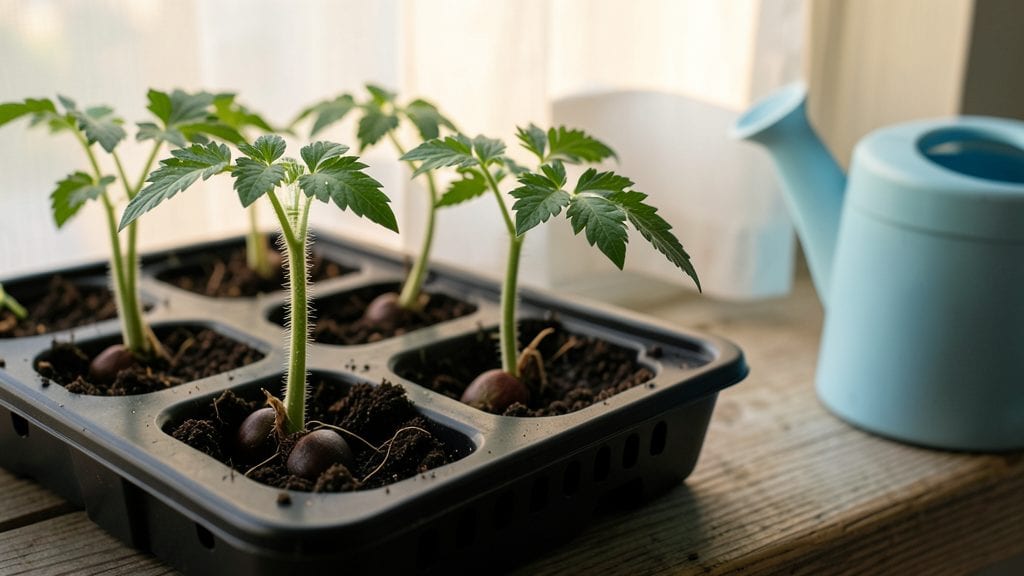
Starting your tomato seeds early indoors can shave weeks off your growing season—especially if you use the right trick to jumpstart germination.
Picture this: it’s March, your neighbors are still dreaming of summer, and your seedlings are already two inches tall while theirs haven’t even sprouted. That’s the power of cold stratifying seeds before planting, a method that mimics winter’s natural chilling period and cuts sprouting time in half.
Most gardeners wait until April to start seeds, but by then, you’re already playing catch-up. The secret? A simple 7-day refrigeration trick that primes seeds for faster growth, giving you a head start on the 60-day window before your last frost.
In this guide, I’ll walk you through the exact steps—from chilling your seeds to transplanting them at the perfect time—so you can enjoy earlier harvests and avoid the frustration of late-season tomatoes.
How cold stratification works to speed up tomato seed germination
Cold stratification is nature's way of preparing seeds for spring growth after a dormant winter. For tomato seeds, this process mimics the natural temperature fluctuations they'd experience outdoors, breaking dormancy and triggering enzymatic activity that kickstarts germination.
When done right, you can see sprouts in just 7 days—half the time of unstratified seeds!
At its core, cold stratification involves exposing seeds to consistent cool temperatures (around 40-50°F or 4-10°C) while maintaining moderate moisture levels. This combination signals the seed that winter has passed, prompting it to activate growth hormones.
Without this step, many tomato varieties—especially heirlooms—sit idle for weeks, waiting for conditions they'll never find indoors.
The magic happens when water penetrates the seed coat during stratification, softening it just enough for the radicle (root) to emerge. The cold temperatures also reduce microbial activity, preventing mold while keeping seeds viable.
Think of it as a controlled winter in your fridge, preparing seeds for the warmth of your grow lights or garden bed.
This method isn't just about speed—it also boosts germination rates from 60% to nearly 90% for many varieties. For gardeners in USDA Zone 6a or colder, starting seeds early with stratification means you can transplant 6-8 weeks before last frost and still enjoy a full growing season.
That's the difference between July harvests and waiting until September!
Here's the science behind why it works: Cold stratification stimulates gibberellins, plant hormones that break seed dormancy. These hormones trigger the production of alpha-amylase enzymes, which convert stored starches in the seed into sugars—the fuel your young seedling needs to grow.
Without this hormonal shift, seeds often rot before sprouting or simply refuse to germinate.
One common misconception is that all seeds benefit equally from cold stratification. While it's essential for tomato seeds, especially heirloom varieties, some modern hybrids may germinate fine without it. However, the 7-day speed boost makes it worth trying for anyone serious about early harvests.
For me, the first green shoot breaking through the soil after just a week of stratification is always a thrilling sight!
Let's break down the three critical factors that make cold stratification effective: temperature, moisture, and duration. Getting these right is what separates successful early planting from wasted effort. The table below shows the optimal conditions for tomato seeds to achieve that 7-day germination window.
Understanding these factors helps explain why some gardeners swear by winter sowing outdoors while others prefer fridge stratification. Both methods rely on the same principles—just different ways to deliver the cold-moisture trigger. The key is consistency: Seeds need steady conditions, not fluctuating temperatures that can confuse their internal clocks.
For example, if your seeds experience 50°F (10°C) one day and 70°F (21°C) the next, they'll hesitate to germinate until conditions stabilize. That's why using a refrigerator (not a freezer!) with a humidity tray gives you the most reliable results.
The fridge maintains that 40-50°F range perfectly while the moisture tray keeps seeds hydrated without drowning them.
Once you've mastered cold stratification, you'll notice your tomato seedlings emerge stronger and more uniform. This head start means you can transplant earlier, giving your plants more time to establish roots before the heat of summer.
It's especially valuable for heirloom varieties, which often have thicker seed coats that resist germination without this treatment.
Remember, the goal isn't just to speed up germination—it's to set your seeds up for a lifetime of healthy growth.
When you provide that perfect cold-moisture trigger, you're not just helping a seed sprout; you're giving it the best possible foundation for a productive tomato plant that will reward you with abundant harvests all season long. 🌱
Now that you understand the science, let's dive into the step-by-step process to cold stratify your tomato seeds in just 7 days—without any fancy equipment. The best part? You likely already have everything you need at home! 🌿
Here's a quick visual summary of the optimal conditions for cold stratifying tomato seeds early:
<summary-table>| Factor | Optimal Specification | Why It Matters |
|---|---|---|
| Temperature | 40-50°F (4-10°C) | Mimics natural winter chill to break dormancy |
| Moisture Level | Damp (not soaked) | Prevents rot while allowing water uptake |
| Duration | 7-14 days | Enough time for enzymatic activation |
| Container | Ziplock bag or damp paper towel | Maintains humidity without suffocating seeds |
| Seed Condition | Fresh or properly stored | Old seeds may not respond well to stratification |
| Light Exposure | Dark (no light needed) | Prevents premature sprouting during stratification |
| Post-Stratification |