Trees
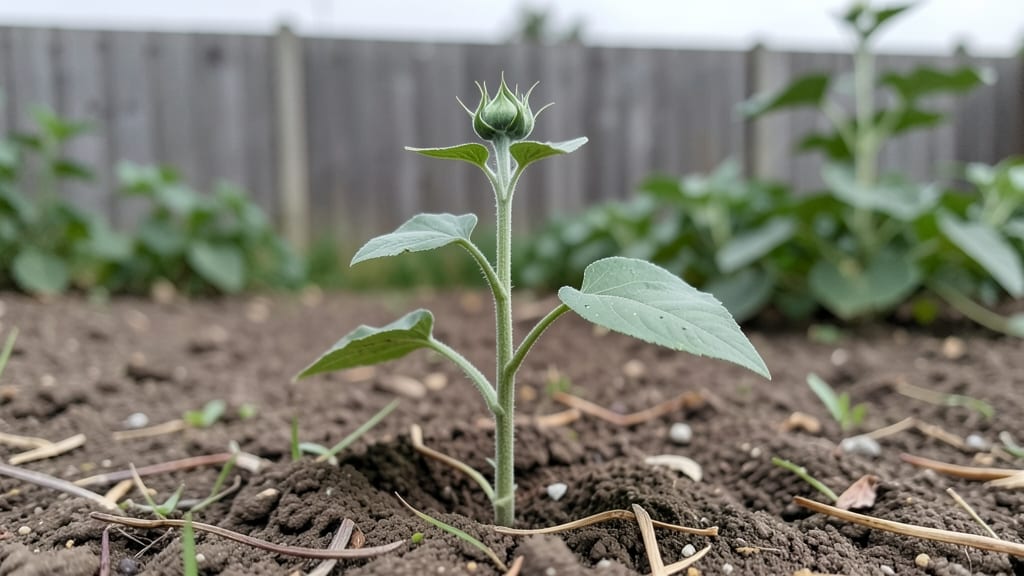
Mastering sunflower seedling identification early spares you the heartbreak of yanking out those fuzzy, jagged-edged ovals—only to watch them tower into 10-foot giants. 🌻 dramatically, which tells you exactly what stage they're in.
I've pulled up sunflowers before mistaking them for dandelions, so let me show you how to spot them from day one.
Those first leaves are called cotyledons, and they're your best friend for early ID. Within a week, true leaves appear—long, narrow, and slightly serrated—like baby sunflower fronds reaching for the sky.
By the time they're 4-6 inches tall, you'll see the classic sunflower shape forming, with leaves growing larger and more defined as they climb toward maturity. The key is watching how the leaves attach to the stem: sunflowers have alternating leaves, not the circular pattern of weeds.
Healthy seedlings stand strong with vibrant green leaves, while sickly ones show yellowing, spots, or stunted growth. Proper ID means you can give them the right care—watering at the base, not overhead, and ensuring they get full sun from the start.
Once you recognize these stages, you'll never confuse a sunflower sprout with a volunteer tomato again.
This works whether you're growing from seed in a container or directly in the garden bed. The same leaf patterns appear no matter the variety, so you can trust them to guide your care from the very first sprouts. Let's get those seedlings thriving from day one."
Root Causes Of Misidentification
Sunflower seedlings can be tricky to identify at first glance, especially when they’re still young and lack distinctive features. But don’t worry—most missteps stem from a few key factors. Understanding these causes helps you spot the signs early and take corrective action.
Sunflower seedlings undergo rapid changes in their first few weeks, and their true identity isn’t always obvious right away. Here’s why confusion arises:
- Tiny Leaves, Big Confusion: New seedlings often have just a few small, rounded cotyledons (the first leaves) that resemble other young plants, like dandelions or mustard greens.
Without the iconic sunflower shape, they blend in. - Slow Development of True Leaves: The first true leaves (the second set) are usually lance-shaped and serrated, but they may not appear until 7–14 days after germination.
Before then, seedlings can look deceptively similar to weeds or other crops. - Environmental Delays: Cool soil temperatures (<50°F/10°C) or poor moisture levels can stunt growth, keeping seedlings in a "puppy stage" longer. This prolongs the window for misidentification.
Pro Tip: 💡 If your seedlings lack the classic sunflower "heart" shape (deeply lobed leaves), wait 10–14 days—patience pays off as the plant matures!
Sunflowers aren’t the only plants with jagged leaves or tall stalks. Several weeds mimic their early growth stages:
| Weed | How It Fools You | Key Difference |
|---|---|---|
| Pigweed | Broad, arrow-shaped leaves; grows fast in warm soil. | Leaves are smooth-edged (no serrations) until later stages. |
| Lambsquarters | Rounded, slightly lobed leaves; resembles young sunflower cotyledons. | Stems are hairy and leaves have a soapy texture when crushed. |
| Mustard Greens | Early leaves are smooth and rounded, like sunflower cotyledons. | Bolts early with yellow flowers (sunflowers bloom later with large disk flowers). |
Action Step: 🔍 Pull a suspect plant early and check the root structure. Sunflower taproots are thick and woody, while weeds often have fibrous or shallow roots.
Stress from weather, soil, or pests can alter a sunflower’s natural growth pattern, making identification harder:
- Overcrowding: Seedlings competing for space may grow leggy (tall, weak stems) with smaller, irregular leaves.
This can make them resemble amaranth or marigold seedlings. - Nutrient Deficiencies: - Nitrogen (N) deficiency: Leaves turn pale yellow, mimicking chlorosis in other plants. - Phosphorus (P) deficiency: Purple-tinged stems/leaves may resemble redroot pigweed. - Pest Damage: Slugs or cutworms can chew leaves into jagged shapes, obscuring the plant’s true form.
Check for silver slime trails or ragged edges.
Fix It: 🌡️ Test soil pH (ideal: 6.0–7.5) and amend with compost if needed. Thin seedlings to 12–18 inches apart to reduce stress.
Not all sunflowers look alike—even as seedlings! Hybrid or dwarf varieties can have subtle differences:
- Dwarf Sunflowers: Some varieties (like ‘Teddy Bear’) stay compact, with broader, less serrated leaves early on.
- Decorative vs. Oil Types: Oilseed sunflowers (e.g., ‘Mammoth’) have narrower leaves compared to decorative types (e.g., ‘Autumn Beauty’), which may appear bushier.
- Cross-Pollination: If planting heirloom seeds, nearby wild sunflowers (Helianthus annuus) can produce seedlings with smaller, less uniform leaves.
Solution: ✨ Reference your seed packet! Note the expected leaf shape and growth habit for your specific variety to avoid guesswork.
Diagnose and Fix Seedling Struggles
Now that you’ve pinpointed the issue, let’s tackle it with actionable steps. Whether your sunflower seedlings are stunted, discolored, or wilted, these targeted solutions will help them thrive. Below, we’ve mapped common problems to fixes—plus prevention tips to keep your seedlings healthy from the start.
Problem: Seedlings compete for nutrients, light, and space, leading to weak stems and yellowing leaves. Fix:
- 🔥 Gently Remove Excess Seedlings Use a small trowel or your fingers to carefully pull out weaker seedlings, leaving only the healthiest 1–2 per pot or 6–12 inches apart in the ground.
- 🌱 Replant with Care If transplanting, dig a hole slightly larger than the root ball, place the seedling at the same depth it was in its container, and firm the soil gently around it.
- 💡 Pro Tip: Water thoroughly after thinning to reduce transplant shock.
Prevention:
- ✨ Sow seeds 1–2 inches apart in rows spaced 18–24 inches apart to avoid overcrowding from the start.
- 🌡️ Monitor growth weekly and thin early—waiting too long can stress the remaining plants.
Problem: Pale or yellow leaves (chlorosis) often signal overwatering, root rot, or a lack of nitrogen. Fix:
- 👨🍳 Adjust Your Watering Routine
- Overwatering? Let the top 1–2 inches of soil dry out between waterings. Ensure pots have drainage holes.
- Underwatering? Water deeply at the base (avoid wetting leaves to prevent fungal diseases).
- 🥗 Boost Nutrients
- Nitrogen deficiency? Use a balanced fertilizer (10-10-10) or compost tea. Follow package instructions for dosage.
- Magnesium deficiency (yellow edges)? Apply Epsom salt (1 tablespoon per gallon of water) every 2 weeks.
- 🔪 Prune Damaged Foliage Snip off severely yellowed leaves to redirect energy to new growth.
Prevention:
- 🌡️ Test soil moisture with your finger before watering—it should feel slightly damp, not soggy.
- 🎯 Rotate fertilizers to avoid nutrient imbalances (e.g., alternate between organic and synthetic options).
Problem: Chewed leaves, holes, or sticky residue (aphids, cutworms, or spider mites) stunt growth. Fix:
- 🔪 Handpick or Spray Off Pests
- Aphids: Blast off with a strong stream of water or wipe leaves with soapy water (1 tsp mild soap per quart of water).
- Cutworms: Create a physical barrier with cardboard collars around stems or apply diatomaceous earth at soil level.
- Spider mites: Spray with neem oil (1 tsp per quart of water) every 5–7 days.
- 🌱 Introduce Beneficial Insects Ladybugs or lacewings devour aphids—release them in the evening for best results.
Prevention:
- 💡 Use row covers for young seedlings to block pests without chemicals.
- 🌡️ Inspect plants daily under leaves and stems, especially after rain or humidity spikes.
Problem: Slow growth or leggy stems often mean insufficient light or temperature stress. Fix:
- 🌞 Optimize Light Exposure
- Indoors? Move seedlings within 6–12 inches of a south-facing window or use grow lights (12–16 hours/day).
- Outdoors? Ensure they get 6+ hours of direct sunlight daily. Use reflective surfaces (like white walls) to maximize light.
- 🌡️ Adjust Temperature
- Ideal daytime temps: 70–75°F (21–24°C).
- Nighttime temps below 50°F (10°C) can stunt growth—use row covers or a cold frame if needed.
Prevention:
- ✨ Start seeds indoors 2–3 weeks before the last frost date for a head start.
- 🎯 Gradually harden off seedlings by exposing them to outdoor conditions over 7–10 days before transplanting.
Problem: Gray mold, powdery mildew, or black spots appear due to high humidity or poor airflow. Fix:
- 🌬️ Improve Air Circulation
- Space plants 12+ inches apart and use a small fan on low setting (24/7) to mimic wind.
- 🍄 Treat Fungal Issues
- Early stages: Spray with a baking soda solution (1 tsp baking soda + 1 quart water + a drop of dish soap).
- Severe cases: Apply copper fungicide (follow label instructions).
- 🔪 Remove Infected Leaves Prune and destroy affected foliage immediately to prevent spread.
Prevention:
- 💡 Water at the base in the morning to allow foliage to dry quickly.
- 🌡️ Avoid overhead watering—use drip irrigation or a watering can with a narrow spout.
🎯 Final Checklist for Healthy Seedlings: ✅ Thin seedlings to reduce competition. ✅ Water consistently but avoid soggy soil. ✅ Monitor for pests and diseases weekly. ✅ Ensure 6+ hours of sunlight and ideal temps. ✅ Fertilize lightly with balanced nutrients.
With these fixes, your sunflower seedlings will stand tall and strong, ready to bloom into magnificent sunflowers! 🌻
Frequently asked questions
How do I tell the difference between sunflower seedlings and dandelion sprouts?
Sunflower cotyledons (first leaves) are fuzzy and oval-shaped, while dandelion sprouts have smooth, lobed leaves with toothed edges. Check the stem too—sunflowers grow upright with alternating leaves, whereas dandelions develop in a rosette pattern near the ground.
What do healthy sunflower seedlings look like at 2 weeks old?
At 2 weeks, healthy seedlings should have 2-4 true leaves (long, lance-shaped with serrated edges) and a sturdy stem. The leaves should be vibrant green, not yellow or spotted, and the plant should stand upright rather than sprawl. Avoid watering the leaves to prevent fungal issues.
Why are my sunflower seedlings growing too slowly?
Slow growth often means insufficient light or cool soil temperatures (<50°F/10°C). Move seedlings to a sunnier spot or use grow lights for 12-16 hours/day. Ensure soil stays warm (ideal: 70-75°F/21-24°C) and avoid overcrowding—thin to 12-18 inches apart for better airflow.
Can I transplant sunflower seedlings after they've developed their first true leaves?
Yes, but wait until they have 3-4 true leaves for better survival. Harden them off first by placing them outdoors for 1-2 hours/day over 5-7 days. Transplant in full sun and water deeply at the base to reduce shock. Avoid transplanting if night temps drop below 50°F/10°C.