
Pruning
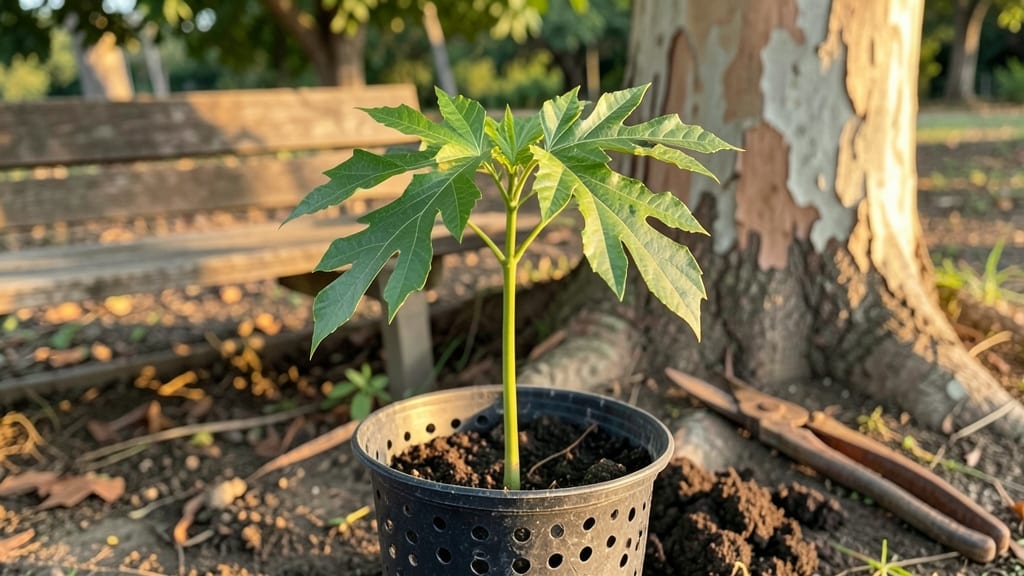
Growing silk tree seedlings from scratch turns your yard into a dreamy, pink-clouded oasis—if you know the right tricks. 🌿 I’ve propagated these delicate trees before, and the key is patience paired with just enough attention to keep them thriving through their fussy early stages.
The first step is simple: start with fresh, viable seeds and a warm, well-draining soil mix. Silk trees love sunlight but hate soggy roots, so a spot with at least 6 hours of sun and loose, sandy soil is ideal.
Most beginners overwater—just keep the soil lightly moist, like a wrung-out sponge, and you’ll avoid the dreaded damping-off that kills seedlings.
By the time your seedlings hit 12 inches tall, they’ll start showing off their signature fluffy, pink blossoms—proof you’re doing it right. Prune lightly to encourage bushier growth, and watch as they transform into the showstopper of your landscape.
The best part? These trees handle heat and drought once established, making them a low-maintenance stunner.
Works in zones 6-9, though young trees need winter protection in colder areas. Here’s how to keep them happy from seed to shade-providing giant—without the stress.
📚 In This Guide
- What you need
- Instructions
- Tips and common mistakes
- Wrapping up and next steps
What you need
- ● Silk tree seeds: 10–20 fresh, plump seeds (harvested in fall or purchased from a nursery). Pro tip: Soak seeds overnight in warm water to soften the hard outer shell! 💡
- ● Seed-starting mix: 2–3 gallons of well-draining, sterile potting soil (or a 50/50 mix of peat moss and perlite).
- ● Containers: Small pots (4–6 inches deep) for individual seedlings, or
- ● A long, shallow tray (10+ inches) for sowing multiple seeds at once.
- ● Grow lights or sunny windowsill: A south-facing window or LED grow lights (12–16 hours/day) for seedlings.
- ● Spray bottle: For gentle watering (avoid over-saturating soil!).
- ○ Plastic wrap or humidity dome: Optional but helpful to retain moisture while seeds germinate.
- ● Heat mat: Speeds up germination (70–80°F is ideal).
- ● Fertilizer: A balanced, water-soluble fertilizer (diluted to half-strength) for seedlings after 4–6 weeks.
- ● Pruning shears: For trimming leggy seedlings later.
- ● Garden gloves: Protects hands from soil and seed pods (which can irritate skin!).
Instructions for growing silk tree seedlings without the hassle
Here’s how to propagate silk tree seedlings with minimal fuss—no green thumb required.
🌱 Step 1: Collect and Prepare Mature Seeds
Silk tree seeds ripen in late summer, so gather them from fully mature pods once they turn brown and split open naturally. I like to collect them on a dry day—they’ll be easier to handle. Spread the seeds on a clean towel to dry for 24 hours before storing in a paper bag. This prevents mold and ensures they’re ready to germinate when you’re.
Don’t rush this step. Seeds stored in sealed containers or plastic bags will sweat and rot. A breathable paper bag keeps them dry and viable for months. Once dry, you can either plant them immediately or store them in a cool, dark place until spring. I’ve kept them for up to 6 months this way with no issues.
💧 Step 2: Soak and Plant for Optimal Germination
Soak the seeds in warm water for 12-24 hours before planting. This softens the tough outer shell and speeds up germination. I use a shallow dish—just enough water to cover the seeds—but avoid submerging them completely. After soaking, drain them well and let them sit for another 30 minutes to prevent waterlogging.
Fill small pots or seed trays with well-draining potting mix (avoid garden soil—it’s too dense). Plant the seeds ½ inch deep, spacing them 2 inches apart to avoid overcrowding. Water lightly after planting, but don’t drench the soil. Silk tree seedlings hate soggy conditions—they’ll rot before they sprout.
☀️ Step 3: Provide Warmth and Indirect Light
Place the pots in a warm, bright spot with indirect light—think 65-75°F and no harsh midday sun. A south-facing window with sheer curtains works well, or use a grow light if natural light is weak. Keep the soil consistently moist but not waterlogged. You’ll know it’s right when the top inch feels slightly damp to the touch.
Germination can take 2-4 weeks, so patience is key. Once the first true leaves appear (not the initial seed leaves), you can thin seedlings to the strongest 2-3 per pot. Transplant them into larger containers when they reach 4-6 inches tall, giving them room to grow without competing for nutrients.
Tips & tricks for perfect silk tree seedling propagation
A few simple strategies that'll ensure your silk tree seeds sprout with confidence and consistency.
Seed Drying Strategy: After collecting your silk tree seeds, resist the urge to rush the 24-hour drying period—this is non-negotiable for preventing mold. I've learned the hard way that even slightly damp seeds can develop fungal issues within days. Spread them on a clean, dry towel in a well-ventilated area, away from direct sunlight which can overheat them. For extra insurance, place a small fan nearby to maintain gentle airflow. This method keeps your seeds viable for months when stored properly.
Soaking Technique: The 12-24 hour warm water soak is where you set the stage for successful germination. Use water that's comfortably warm to the touch (around 75°F)—not scalding. I place my seeds in a shallow dish with just enough water to cover them, then cover with a clean cloth to maintain humidity. After soaking, that crucial 30-minute drain time prevents waterlogging, which can suffocate your seeds before they even sprout. Think of it as giving your seeds a refreshing spa treatment before planting.
Lighting Insight: Silk tree seedlings are particular about light conditions—too much direct sun can scorch them while insufficient light leads to leggy, weak plants. The 65-75°F temperature range with indirect light is ideal. For indoor growers, a south-facing window with sheer curtains provides perfect filtered light. If natural light is limited, supplement with a grow light placed about 6 inches above the seedlings. I've found that maintaining this balance prevents the common issue of seedlings stretching toward light sources.
Transplanting Timing: When your seedlings reach 4-6 inches tall, they're ready for their first transplant. Wait until you see the first true leaves (not the initial seed leaves) to determine readiness. I recommend using small individual pots (around 3-4 inches in diameter) to give each seedling its own space. This prevents competition for nutrients and allows you to monitor each plant's progress individually. The key is to handle them gently—silk tree seedlings are surprisingly delicate at this stage.
Pro Tips for Silk Tree Seedling
- A few simple strategies that'll ensure your silk tree seeds sprout with confidence and consistency.
- Seed Drying Strategy: After collecting your silk tree seeds, resist the urge to rush the 24-hour drying period—this is non-negotiable for preventing mold.
- Soaking Technique: The 12-24 hour warm water soak is where you set the stage for successful germination.
Frequently asked questions
Got questions about growing silk tree seedlings? You’re not alone! Here are the most common queries—and straightforward answers—to help you succeed without the stress.
How long does it take for silk tree seedlings to sprout?
Silk tree (Albizia julibrissin) seeds typically sprout within 7–21 days when kept in warm, moist conditions (70–80°F). Pre-soaking seeds for 24 hours can speed up germination. Patience is key—some seeds may take up to a month!
Can silk tree seedlings survive winter?
Young seedlings are not frost-hardy and need protection until established. Overwinter them indoors near a sunny window or use a cold frame. Once they’re at least 1–2 feet tall, they’ll tolerate light frosts better—but mature trees handle winter well.
What’s the best soil mix for silk tree seedlings?
Use a well-draining mix of 60% potting soil, 30% perlite/sand, and 10% compost. Silk trees hate soggy roots! Add a layer of gravel at the bottom of the pot to prevent waterlogging. Pro tip: Avoid heavy clay soil—it suffocates roots.
Why are my silk tree seedlings turning yellow?
Yellowing leaves usually signal overwatering or nutrient deficiency. Check soil moisture—let the top inch dry out between waterings. If leaves are pale, fertilize lightly with a balanced 10-10-10 formula. Warning: Yellowing + wilting = root rot—act fast!
Can I grow silk trees from cuttings instead of seeds?
Yes! Semi-hardwood cuttings (4–6 inches long) root best in spring/summer. Dip in rooting hormone, plant in moist perlite/sand, and cover with a plastic bag to retain humidity. Success rates are 50–70%, but seeds are easier for beginners. Bonus: Cuttings grow faster than seedlings!
Wrapping up and next steps
Growing silk tree seedlings is a rewarding journey that combines simplicity with nature’s beauty! With just a few basic materials and a little patience, you can propagate these stunning trees—whether for shade, ornamental value, or even eco-friendly landscaping. You’ve got this! 🌱
Ready to take the next step? Start by gathering your supplies, follow the easy propagation steps, and soon you’ll be watching your silk tree seedlings thrive. Share your progress with fellow gardening enthusiasts or tag us—we’d love to see your green thumbs in action!