Vegetables
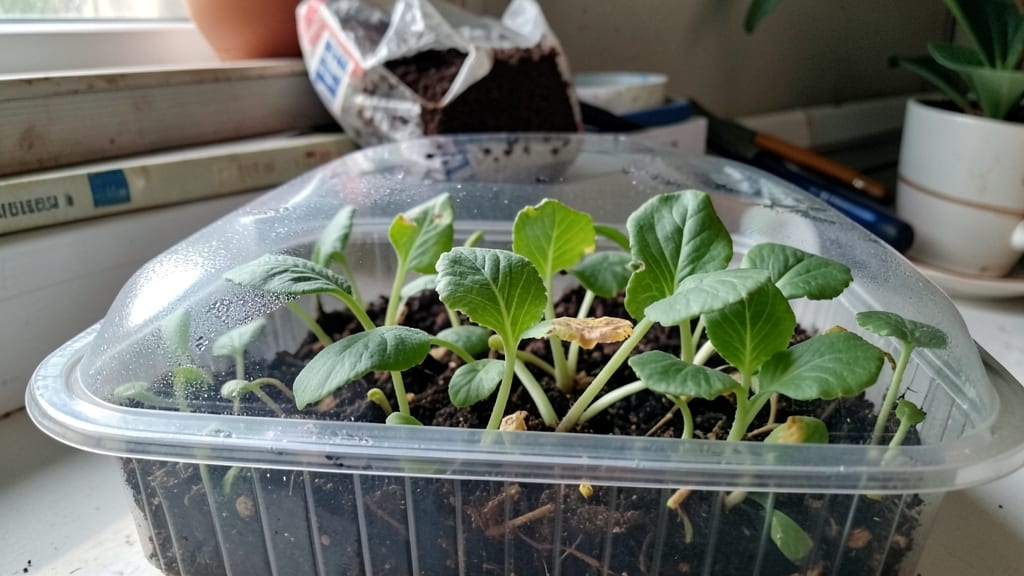
Seeding vegetables indoors is the fastest way to get a head start on your garden—no waiting for nursery plants or hoping they'll survive transplanting. 🌱 I learned this the hard way after buying weak transplants that struggled in my soil, and now my seedlings hit the ground running by early May.
The secret isn't complicated: it's timing, the right soil, and a little light magic.
You'll need just a few basics: seed-starting trays or small pots, sterile seed-starting mix (not garden soil), and a grow light or sunny windowsill. Most vegetables—tomatoes, peppers, herbs—germinate in 5-10 days with consistent warmth and moisture.
The key is keeping things cozy (around 70°F) until sprouts appear, then giving them 12-16 hours of light daily to prevent leggy, weak stems.
Within 3 weeks, you'll have sturdy seedlings ready to harden off and plant outside. The payoff? Plants that outpace store-bought ones by 2-3 weeks, with stronger roots and bigger yields. No more wilting transplants or stunted growth—just reliable, fast starts that turn into a bountiful harvest.
Works for almost any vegetable, from leafy greens to heat-loving peppers. The only catch? Start too early, and you'll have overgrown seedlings. Too late, and you'll miss the planting window. Here's how to nail that sweet spot every time.
📚 In This Guide
- What you need
- Instructions
- Tips and common mistakes
- Wrapping up and next steps
What you need
- ● Seeds: Choose fast-growing varieties like basil, lettuce, radishes, or green onions (1–2 packets per type). Opt for organic, non-GMO seeds for best results.
- ● Seed trays or containers: 2–4 trays (72-cell or 1020-cell) or small pots (3–4 inches deep). Ensure they have drainage holes!
- ● Seed starting mix: A lightweight, sterile peat-based or coco coir mix (1–2 cubic feet, depending on tray size). Avoid garden soil—it’s too dense!
- ● Grow lights or sunny windowsill: Grow lights: Full-spectrum LED (12–16 watts per tray) or fluorescent (T5/T8, 4000K–6500K color temp). Run 12–16 hours/day.
- ● Sunny spot: South-facing window with 6+ hours of direct light daily.
- ● Misting bottle or spray nozzle: For gentle watering (avoid over-saturating seeds!).
- ○ Plastic wrap or humidity dome: Keeps moisture in while seeds germinate (optional but helpful for humidity-loving plants like lettuce).
- ○ Heat mat (optional but recommended): For cold climates—keeps soil at 70–75°F to speed up germination.
- ● pH testing kit: Ensures your soil mix is 6.0–7.0 (veggies thrive in slightly acidic to neutral soil).
- ● Fertilizer: Water-soluble, low-nitrogen starter fertilizer (like 5-10-5) or fish emulsion (diluted to half-strength).
- ● Labels & markers: Track seed varieties and planting dates (trust us, you’ll thank us later!).
- ● Fan: A small clip-on fan for gentle airflow (prevents damping-off disease).
- ● Thermometer: Monitors soil and air temps for optimal growing conditions.
Step-by-Step instructions for seeding vegetables indoors
Here’s the method I’ve used for years to get sturdy seedlings ready in just three weeks—no leggy, weak sprouts.
🌱 Step 1: Prepare Containers and Seed Starting Mix
Fill your 4-cell seedling trays with the 2 gallons of seed-starting mix, pressing it down gently to remove air pockets. The mix should be moist but not soggy—squeeze a handful; it should hold together without dripping. I like to add a ¼ teaspoon of liquid fertilizer to each cell before planting, as seedlings need nutrients right away.
Use the fine mist spray bottle to dampen the surface evenly. Avoid oversaturating—water should penetrate just ½ inch deep. If the mix is too dry, seedlings struggle to push through, and if it’s too wet, they’ll rot before sprouting. This is the foundation for fast, healthy growth.
🌱 Step 2: Sow Seeds at the Right Depth and Spacing
Follow the seed packet instructions for depth—most vegetables need planting ¼ to ½ inch deep. I use the toothpick to poke a small hole in each cell, then place 1-2 seeds per cell (just in case one doesn’t sprout). Cover lightly with a pinch of mix, then mist again with the spray bottle.
Don’t press the seeds in too firmly; they need room to push upward. If you’re sowing 4 different varieties, label each cell with the plant marker and the variety name—trust me, you’ll forget which is which after a week. Keep the tray in a warm spot (70-75°F) until germination begins.
💧 Step 3: Provide Warmth and Controlled Moisture
Place the tray under the grow light on a seedling heat mat to maintain 70-75°F soil temperature. Most vegetable seeds germinate in 5-10 days—watch for the first green shoots breaking through the soil. Once you see 50% germination, remove the heat mat to prevent overheating.
Water only when the top inch of soil feels dry—use the spray bottle to avoid disturbing seedlings. Overwatering here is the #1 killer of young sprouts. If condensation forms on the plastic lid, lift it for 10 minutes daily to prevent mold. You’ll know you’re doing it right when seedlings emerge strong and straight, not stretched or wobbly.
☀️ Step 4: Introduce Light and Air Circulation
As soon as the first true leaves (not cotyledons) appear, move seedlings under the grow light 2-4 inches away. They need 14-16 hours of light daily—set a timer if your light isn’t automatic. Raise the light ½ inch weekly to prevent burning. You’ll see bold, dark green leaves within days if they’re getting enough light.
Remove the plastic lid completely now to improve airflow. Use the small fan on low for 10 minutes daily to strengthen stems—this mimics wind and prevents weak, floppy growth. If leaves touch the light, they’ll scorch; if they stretch toward it, the light’s too far away. Adjust until they grow compact and sturdy.
⏰ Step 5: Harden Off Before Transplanting
Two weeks before your last frost date, start hardening off by placing seedlings outside in partial shade for 1-2 hours the first day. Gradually increase time and sun exposure over 7-10 days. You’ll know they’re ready when they don’t wilt and leaves stay firm to the touch. Transplant on a cool, cloudy afternoon to reduce shock.
Dig holes twice as wide as the root ball and water deeply before and after planting. Mulch with 1 inch of compost to retain moisture. With this method, you’ll have vigorous, disease-free transplants ready to thrive in the garden—no leggy, struggling seedlings in sight.
Tips & tricks for perfect indoor vegetable seeding
Here's what I've learned after years of perfecting this method—these small details make all the difference between weak seedlings and sturdy plants ready for your garden.
Soil Temperature Secret: The 70-75°F soil temperature in Step 3 is non-negotiable for fast germination. I use a seedling heat mat with a built-in thermometer to monitor this precisely. If your kitchen runs cooler, place the tray on top of your fridge (not inside) for that extra warmth boost. Cold soil slows germination by up to 50%, which is why you're aiming for those 5-10 days—not weeks.
Light Distance Technique: When you move seedlings under the grow light in Step 4, position it 2-4 inches away based on their size. Here's my trick: hold your hand between the light and seedlings—if you can't fit your palm comfortably, the light's too close. I adjust mine weekly by raising the light ½ inch, but I always check by looking for leaves that are dark green (not pale) and compact (not stretching).
Watering Wisdom: The top inch dry test in Step 3 is critical, but here's the follow-up: use the spray bottle to water in the morning so excess moisture evaporates during the day. I've seen mold develop when trays sit wet overnight—lift that plastic lid for 10 minutes daily to prevent it. For the 14-16 hours of light, keep the lid off completely to maintain proper airflow and prevent condensation buildup.
Harden Off Strategically: During the 7-10 day hardening off period in Step 5, I increase exposure gradually by 30 minutes each day. On cloudy days, I extend the time since direct sun isn't a factor. The key is watching leaf firmness—if they stay crisp and don't wilt when touched, they're ready. I always transplant on a cool afternoon to reduce shock, and I've found that watering deeply before planting helps establish roots faster in the garden soil.
Pro Tips for Seeding Vegetables Indoors
- Here's what I've learned after years of perfecting this method—these small details make all the difference between weak seedlings and sturdy plants ready for your garden.
- Soil Temperature Secret: The 70-75°F soil temperature in Step 3 is non-negotiable for fast germination.
- Light Distance Technique: When you move seedlings under the grow light in Step 4, position it 2-4 inches away based on their size.
Frequently asked questions
Got questions about seeding vegetables indoors?
You’re not alone! Here are answers to the most common concerns—so you can grow confidently and troubleshoot like a pro.
What’s the best time to start seeding indoors?
For most vegetables, start seeds 6–8 weeks before your last frost date. Leafy greens (like lettuce) can go in earlier, while tomatoes and peppers need a longer head start. Check your local frost dates and seed packets for specifics—timing is everything!
How long do seeds take to sprout indoors?
Sprouting time varies by veggie! Fast growers like radishes sprout in 3–5 days, while slower ones (e.g., broccoli) take 7–14 days. Keep soil moist, warm (70°F+), and in bright light to speed things up. Patience pays off—just don’t overwater!
What if my seeds aren’t germinating?
Try these fixes:
- Check moisture: Soil should feel damp like a wrung-out sponge—not soggy.
- Test depth: Most seeds need ½ inch of soil (except tiny ones like lettuce).
- Warmth matters: Use a heat mat if your home is chilly.
- Fresh seeds: Old seeds (over 1 year) may fail—swap them out!
Can I use regular pots or containers?
Yes! Almost anything works—yogurt cups, egg cartons, or seed trays—just ensure they have drainage. Avoid glass jars (roots can’t breathe). For long-term growth, upgrade to 3–4 inch pots once seedlings sprout their first true leaves.
Do I need grow lights, or is sunlight enough?
Sunlight is ideal, but grow lights (LED or fluorescent) are a game-changer if you’re short on windows. Seedlings need 12–16 hours of light daily. Place lights 2–4 inches above seedlings and adjust as they grow. No lights? Rotate trays near a south-facing window every few days.
Wrapping up and next steps
Seeding vegetables indoors is a game-changer for gardeners eager to jumpstart their growing season—no matter the weather outside! 🌱 With just a few supplies and a little patience, you’ll enjoy fresh, homegrown sprouts in as little as three weeks.
Whether you’re a beginner or a seasoned gardener, this method ensures healthier plants, stronger yields, and the satisfaction of nurturing life from scratch.
Now that you’re armed with the know-how, why not take the next step? Start with easy-to-grow veggies like lettuce or herbs, then expand your indoor garden as you gain confidence. Happy growing—your future harvests are waiting! 🌿