
Pruning
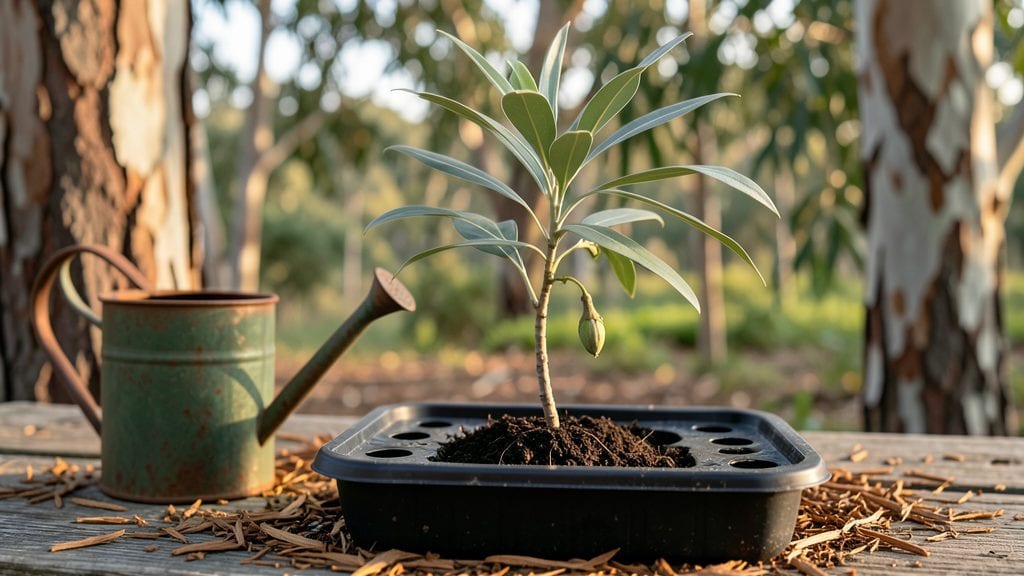
Growing a seeded eucalyptus tree from scratch is the ultimate test of patience—and the most rewarding one. 🌱 I’ve watched these trees transform from tiny specks in a pot to towering giants, and the process teaches you more about gardening than any other plant.
The key isn’t rushing it; it’s understanding how to coax life from a stubborn seed and give it everything it needs to thrive over decades.
The real secret lies in the soil, timing, and a little bit of luck with seed viability. You’ll need well-draining soil, warmth, and a spot where the seedling can stretch its roots without competition.
Most people quit too soon—eucalyptus seeds can take months to germinate, and growth is slow at first. But once they break through, they grow with shocking speed, and the glossy leaves and aromatic scent make every wait worthwhile.
By the time you’re pruning your first branches, you’ll have a tree that’s already taller than you expected. The shape you create now—whether it’s a single-trunk specimen or a lush, multi-branched shrub—will follow it for years.
Pruning isn’t just about aesthetics; it’s about keeping the tree healthy, encouraging strong growth, and preventing weak limbs that could snap in storms.
This isn’t a quick project—it’s a decades-long commitment. But there’s something magical about watching a eucalyptus tree mature, knowing you nurtured it from the very beginning. Let’s get those seeds started right so you can enjoy the journey.
📚 In This Guide
- What you need
- Instructions
- Tips and common mistakes
- Wrapping up and next steps
What you need
- ● Pruning shears: Bypass shears (for small branches, 5–8 inches long) or anvil shears (for thicker growth). Sanitize with rubbing alcohol before use!
- ● Loppers: 1 pair (18–24 inches) for medium branches (½–2 inches thick). Look for bypass blades to avoid crushing.
- ● Pruning saw: 1 lightweight saw (for branches >2 inches thick). A bow saw or folding pruner works best.
- ● Gloves: 1 pair of cut-resistant, garden gloves (eucalyptus sap can irritate skin!)
- ● Disposable bags or bucket: For collecting debris (1–2 large bags or a 5-gallon bucket).
- ○ Ladder (optional): Extendable or step ladder (12–16 ft) if your tree is tall. Always prioritize safety—secure the ladder first!
- ● Rubbing alcohol (70%+) or bleach solution: 1 small bottle or spray bottle (for sterilizing tools).
- ● Timing: Prune during dormant season (late winter/early spring) or after flowering (avoid extreme heat or frost).
- ● Weather: Choose a dry, overcast day to prevent sap bleeding and fungal risks.
- ○ Safety gear: Safety glasses (optional but recommended) to shield from debris.
- ● Tree health check: Inspect for diseased or dead branches before pruning—remove these first!
Step-by-step guide to pruning your seeded eucalyptus tree
Here's how I keep my eucalyptus tree thriving year-round with clean cuts and intentional shaping.
✂️ Step 1: Identify the Right Time to Prune
Eucalyptus trees respond best to pruning in late winter or early spring, just before new growth begins. This timing ensures you're not removing buds that could become next year's flowers or leaves. I avoid pruning during summer heat waves—the tree uses every leaf to stay cool, and you'll stress it unnecessarily.
Look for dormant branches that haven't leafed out yet. These are perfect candidates for removal. If you see a branch that's dead (brown, brittle, or peeling bark), mark it for cutting now—waiting won't help. Healthy branches have green bark and flexible stems.
✂️ Step 2: Gather Tools and Prepare for Clean Cuts
Use sharp, sterilized pruning shears for branches under ½ inch thick and a pruning saw for anything thicker. I dip my tools in rubbing alcohol or a 10% bleach solution between cuts to prevent spreading disease. Never use dull tools—they tear bark and invite infections.
Wear gloves to protect against the tree's oily sap, which can irritate skin. Lay down a tarp or drop cloth beneath the tree to catch debris. This makes cleanup easier and keeps your workspace tidy. If you're shaping the tree, sketch a rough outline first to visualize your cuts.
✂️ Step 3: Remove Dead, Diseased, or Crossing Branches First
Start by cutting out dead, diseased, or damaged branches—these are the tree's weak points. Look for branches that cross or rub against each other; these will eventually tear and create entry points for pests. Remove any branches growing inward toward the center of the tree to improve airflow and sunlight penetration.
Make your cuts just outside the branch collar—the swollen area where the branch meets the trunk. This ensures the tree can seal the wound properly. If you're unsure where the collar is, angle your cut slightly upward to avoid leaving a stub. Never leave a ½ inch or longer stub—it won't heal and can rot.
✂️ Step 4: Thin and Shape the Canopy for Balance
Step back and assess the tree's overall shape. Eucalyptus trees grow tall and narrow, so focus on thinning the canopy to allow light to reach the lower branches. Remove about 20-30% of the foliage to encourage new growth. I start at the outer edges and work my way inward, cutting branches that are growing too close together.
For height control, target branches that are growing straight up. Cut these back to a side branch or bud that's growing outward. This redirects the tree's energy into a fuller, wider shape. Avoid cutting more than ⅓ of the tree's height in one season—this can shock the tree and reduce flowering.
✂️ Step 5: Clean Up and Monitor for New Growth
After pruning, rake up all debris and dispose of it in a sealed bag—don't leave it beneath the tree. This prevents pests and diseases from taking hold. Water the tree deeply to help it recover, especially if you've made significant cuts. I add a 2-inch layer of mulch around the base (keeping it 6 inches away from the trunk) to retain moisture and regulate soil temperature.
Watch for new growth in 4-6 weeks. Healthy eucalyptus trees will sprout fresh leaves from the buds left after pruning. If you see yellowing leaves or wilting, you may have over-pruned. In that case, reduce watering slightly and avoid further cuts until the tree shows signs of recovery.
Tips & tricks for pruning your seeded eucalyptus tree
These practical tips will help you avoid common mistakes and get the most out of your pruning session.
The Timing Factor: Late winter or early spring is your best window because the tree isn't actively growing yet. I've learned this the hard way—pruning in summer can stress your eucalyptus, especially during heat waves when every leaf is working hard to keep the tree cool. The key is to catch those dormant branches before new growth starts.
Tool Preparation: Sterilizing your tools between cuts is non-negotiable. I keep a small spray bottle of rubbing alcohol handy to quickly disinfect my pruning shears and saw after each cut. This simple step prevents spreading disease from one branch to another. And for heaven's sake, don't use dull tools—they tear bark instead of making clean cuts, which invites infections.
Branch Collar Awareness: In Step 3, when you're making those precise cuts just outside the branch collar, here's a pro tip: If you're unsure where the collar is, look for that swollen area where the branch meets the trunk—it's usually just above where the branch starts to get thinner. Making cuts at this point helps the tree heal properly and prevents those ugly stubs that won't heal.
Canopy Management: When thinning your canopy in Step 4, aim to remove about 20-30% of the foliage—this might sound like a lot, but it's crucial for encouraging new growth. I start with the outer edges because this allows more light to penetrate to the inner branches. Think of it like giving your tree a haircut that opens up its shape rather than just trimming the ends.
Pro Tips for Seeded Eucalyptus Tree
- These practical tips will help you avoid common mistakes and get the most out of your pruning session.
- The Timing Factor: Late winter or early spring is your best window because the tree isn't actively growing yet.
- Tool Preparation: Sterilizing your tools between cuts is non-negotiable.
Frequently asked questions
Got questions about growing and pruning your seeded eucalyptus tree? You’re not alone! Here’s a quick guide to common concerns—from timing to troubleshooting—to keep your tree thriving year-round.
How long does it take for a seeded eucalyptus tree to grow from a seed to a prunable size?
A seeded eucalyptus tree typically takes 3–5 years to reach a prunable height (around 6–10 feet). Patience is key—these trees grow fast but need consistent care. Start light pruning (removing dead branches) in year 2 to encourage shape. Pro tip: Use well-draining soil and full sun to speed up growth!
When is the best time of year to prune a seeded eucalyptus tree?
The ideal time is late winter or early spring (before new growth starts). Avoid pruning in extreme heat or drought—these trees are sensitive. For minor shaping, you can prune lightly in summer, but never prune in fall (it encourages weak growth before winter). Pro tip: Use sterilized tools to prevent disease!
Why are my eucalyptus leaves turning yellow or dropping after pruning?
Yellowing or leaf drop usually means over-pruning, stress, or improper timing. Eucalyptus trees react poorly to heavy cuts (never remove more than 25% of the canopy at once). If this happens, water deeply, avoid fertilizing for 2 months, and prune lightly next time. Pro tip: Monitor soil moisture—drought stress worsens recovery!
Can I propagate a seeded eucalyptus tree from cuttings instead of seeds?
Yes! While seeded eucalyptus is slower to grow, cuttings root best in summer (use 4–6” semi-hardwood cuttings). Dip in rooting hormone, plant in perlite/sand mix, and keep humid (use a plastic bag). Seedlings take longer but offer genetic diversity. Pro tip: For cuttings, choose healthy, disease-free branches!
What tools do I need for safe eucalyptus pruning?
Essential tools include:
- Bypass pruners (for small branches)
- Loppers (for thicker branches up to 2”)
- Pruning saw (for branches >2”)
- Sterilizing solution (rubbing alcohol or bleach)
- Gloves (eucalyptus oil can irritate skin!)
Pro tip: Sharpen blades yearly to make clean cuts and reduce tear!
Wrapping up and next steps
Growing a thriving seeded eucalyptus tree is all about balance—pruning with care to encourage health, shape, and year-round beauty. 🌿 By mastering the right techniques, timing, and tools, you’ll nurture a resilient tree that stays vibrant and strong.
Whether you’re trimming for aesthetics, safety, or growth control, consistency is key!
Ready to take the next step? Start small—pick one pruning session this season to practice, then build your confidence. Before you know it, your eucalyptus will be the star of your landscape! 🌟 Grab your tools and get pruning!