
Lawn
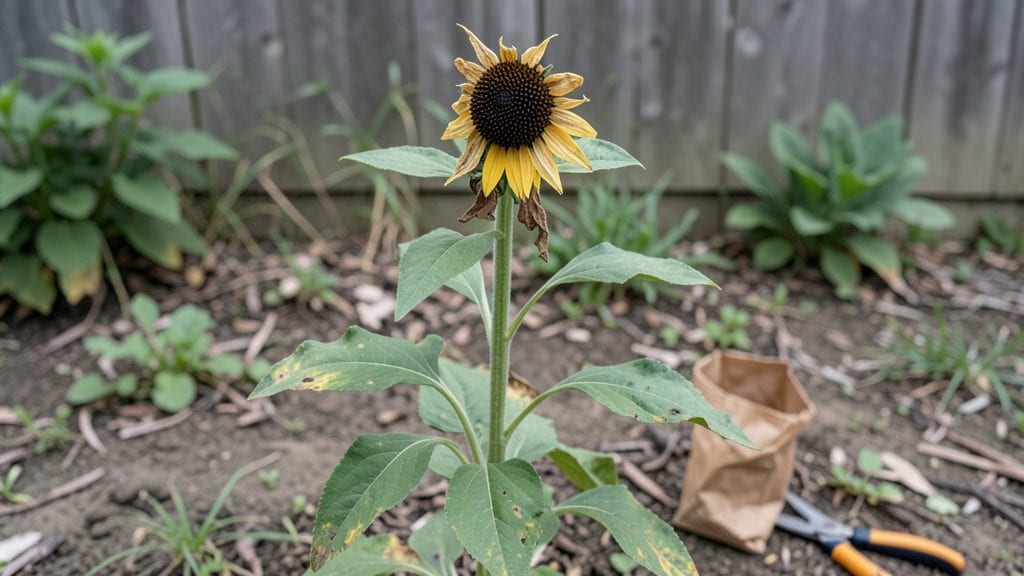
Mastering rudbeckia seed collection is one of the easiest ways to multiply your favorite blooms without spending a dime—just wait until the seed heads turn golden-brown. 🌻 heads turn from green to a papery brown before harvesting.
The trick is simple: let the flowers fade naturally, then snip the dried heads when they’re ready.
You’ll need just a few supplies: sharp scissors, a paper bag for drying, and a cool, dry spot to store your seeds. The process takes about 10 minutes to harvest and another 2 weeks to dry properly.
Once the seeds rattle inside the head when shaken, they’re ready to store in an envelope until planting season.
What you end up with is a stash of seeds that’ll grow into those same cheerful, long-blooming rudbeckias you love. The plants are hardy, drought-tolerant, and come back year after year, so your investment pays off for seasons to come.
Just watch for birds—they love these seeds too, so harvest quickly once the heads are dry.
This method works for all rudbeckia varieties, whether you’re growing the classic golden Black-eyed Susan or the newer double-flowered types. A little patience now means a full garden of free flowers next summer. Let’s get those seeds saved!
📚 In This Guide
- What you need
- Instructions
- Tips and common mistakes
- Wrapping up and next steps
What you need
- ● Ripe rudbeckia flower heads – Choose fully browned, dry seed heads (typically late summer to fall).
- ● Paper bags or breathable seed envelopes – 1-2 per plant (or a large mesh bag for bulk collection).
- ● Scissors or pruning shears – Sharp and clean for clean cuts.
- ● Labeling tags or masking tape + marker – To note varieties (e.g., "Rudbeckia hirta ‘Indian Summer’").
- ● Drying surface – A flat tray, screen, or clean cardboard box in a dry, shaded area.
- ● Air-tight storage containers – Small jars, resealable bags, or seed packets with desiccant packs.
- ● Glove – To protect hands from prickly seed heads.
- ● Fine mesh sieve – For separating seeds from chaff (if cleaning manually).
- ● Hygrometer – To monitor humidity (ideal drying range: 40-50%).
- ● Seed catalog or notebook – To track germination rates and varieties.
Step-by-step instructions for collecting rudbeckia seeds
Here’s how to harvest and save rudbeckia seeds for a fresh batch of cheerful blooms next season.
🌱 Step 1: Identify Mature Seed Heads
Wait until the flower petals turn brown and fall away, leaving the spiky, papery seed heads. These are your signal to act—usually late summer to early fall, depending on your climate. The seed heads should feel dry and brittle when you gently squeeze them.
Look for heads that have fully matured but haven’t yet scattered seeds. If you see seeds already dropping to the ground, you’ve missed the window. I like to check my rudbeckia plants every 3-4 days during this time to catch them at the perfect stage.
✂️ Step 2: Harvest the Seed Heads
Use clean, sharp scissors or pruning shears to snip the seed heads from the stems. Cut about 2-3 inches below the head to include part of the stem—this makes handling easier later. Place the harvested heads in a paper bag or open mesh bag to allow airflow and prevent moisture buildup.
Harvest on a dry day, preferably in the morning after any dew has evaporated. Wet seed heads can mold if stored improperly. I avoid cutting into the evening when humidity rises, as this increases the risk of fungal issues.
🪴 Step 3: Dry the Seed Heads Thoroughly
Hang the seed heads upside down in a dry, well-ventilated area. A garage, shed, or even a sunny windowsill works well. It should take about 1-2 weeks for the seed heads to dry completely—they’re ready when they crumble easily when rubbed between your fingers.
Check weekly for signs of mold or pests. If you notice any discoloration or musty smells, remove the affected heads immediately. Once fully dry, shake the heads gently over a clean tray or paper to release the seeds. Store them in a labeled envelope or small jar.
⏰ Step 4: Store Seeds for Next Season
Place the dried seeds in a sealed, airtight container like a small glass jar or envelope. Label it with the rudbeckia variety and the harvest date. Store the container in a cool, dark place like a pantry or refrigerator—rudbeckia seeds stay viable for 2-3 years under these conditions.
I like to keep a small notebook nearby to jot down any notes about the plant’s performance, like how tall it grew or how long the blooms lasted. This helps me track which varieties I want to grow again next year.
Tips & tricks for perfect rudbeckia seed collection
A few simple tricks will help you maximize your seed yield and keep them viable for years to come.
Timing is Everything: I can't stress enough how important those 3-4 day checks are during late summer and early fall. The window between mature seed heads and scattered seeds is narrow—sometimes just a day or two! Set a reminder on your phone if needed. I've missed harvests before by waiting too long, and those seeds were gone before I knew it.
Harvesting Technique: When cutting those 2-3 inches below the seed head, leave a little extra stem attached—it makes all the difference when you're shaking out seeds later. I like to use a small bucket lined with newspaper to catch any stray seeds that might fall during transport. This prevents seed loss and makes cleanup easier.
Drying Strategy: The 1-2 week drying period is crucial for seed viability. I've found that a sunny windowsill works best in my climate, but if you're in a humid area, consider using a dehumidifier nearby. Place a small fan nearby to improve airflow without creating drafts—this helps prevent mold while keeping the drying process efficient.
Storage Wisdom: That 2-3 year viability only applies if you store seeds properly. I've had seeds last even longer when kept in the freezer, though they'll lose some germination rate after 3 years. Always use airtight containers—even small gaps can cause moisture buildup. I label mine with both the variety and harvest year to keep track of my favorites.
Pro Tips for Rudbeckia Seed Collection
- A few simple tricks will help you maximize your seed yield and keep them viable for years to come.
- Timing is Everything: I can't stress enough how important those 3-4 day checks are during late summer and early fall.
- Harvesting Technique: When cutting those 2-3 inches below the seed head, leave a little extra stem attached—it makes all the difference when you're shaking out seeds later.
Frequently asked questions
Got questions about saving rudbeckia seeds?
You’re not alone! Here are answers to the most common queries—so you can confidently collect, store, and grow these cheerful blooms year after year.
When is the best time to collect rudbeckia seeds?
Harvest seeds when the flower heads turn brown and dry, usually late summer to early fall (August–October, depending on your climate). Wait until the seed pods are crispy to the touch—this ensures full maturity and viability. Avoid collecting too early, or the seeds won’t germinate well!
How long can I store rudbeckia seeds before planting?
Rudbeckia seeds stay viable for 1–2 years if stored properly in a cool, dry place (like a sealed container in the fridge). For best results, plant them within 6 months. Pro tip: Label your containers with the collection date to track freshness!
What if my rudbeckia seeds don’t sprout?
Try these fixes:
- Stratification: Cold-moisten seeds in the fridge for 4–6 weeks to mimic winter.
- Freshness check: Older seeds may need scarification (lightly nick the seed coat with sandpaper).
- Light exposure: Rudbeckia seeds often need light to germinate—plant them shallowly or on top of soil.
Can I collect seeds from hybrid rudbeckia varieties?
Yes, but expect unpredictable results—hybrids may not grow true to the parent plant. For consistent blooms, stick to heirloom or open-pollinated varieties like ‘Goldsturm’ or ‘Cherry Brandy.’ Save seeds from hybrids for fun, experimental gardens!
Do I need special paper bags for seed drying?
Nope! Use any breathable material—brown paper bags, mesh bags, or even a cardboard box with holes work. The key is air circulation to prevent mold. Hang your seed heads upside down in a dry, shaded spot for 1–2 weeks before storing.
Wrapping up and next steps
Collecting rudbeckia seeds is a rewarding way to ensure next year’s garden stays as vibrant as ever!
By following these simple steps—waiting for the seed heads to mature, harvesting at the right time, and storing them properly—you’ll be well on your way to a free, homegrown supply of cheerful blooms. 🌻
Now that you’re armed with the know-how, why not share your new skills? Try swapping seeds with fellow gardeners or experiment with growing different rudbeckia varieties. Happy planting—your future garden will thank you!