
Blooming
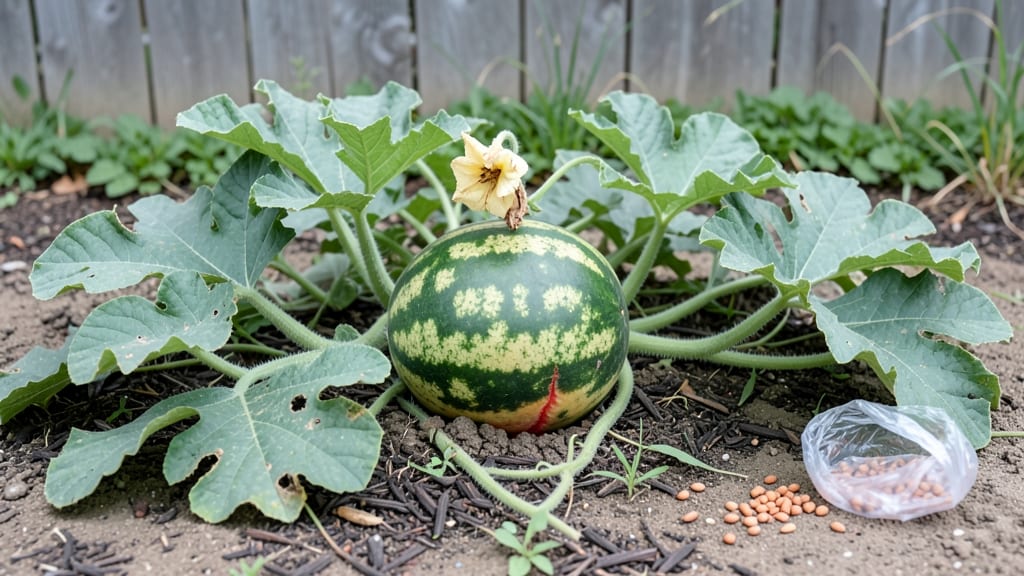
To determine how long watermelon seeds last, they remain viable for 2 to 4 years when stored properly in a cool, dry place, though germination rates decline after the first year. For best results, keep them in airtight containers away from moisture and light to preserve freshness and sprouting potential.
Proper storage is everything when it comes to seed longevity. 🌱 The key factors are temperature control and humidity prevention—even slight exposure to moisture can trigger mold growth or premature aging.
I’ve found that seeds stored in sealed glass jars with silica gel packets last significantly longer than those in paper bags. For gardeners who save seeds year-round, a small refrigerator drawer or root cellar works best, as it mimics the cool, stable conditions that slow down metabolic processes.
What’s interesting is how germination rates drop after just 12 months—even with perfect storage. This isn’t just about age; it’s about the seeds’ natural defense mechanisms weakening over time.
A quick paper towel test (moisten a towel, place seeds between two, and wait 3-5 days) can reveal whether your seeds are still worth planting. If you’re dealing with older seeds, try stratification—a cold treatment that mimics winter conditions—to coax them back to life.
💡 In This Article
- Factors Affecting Watermelon Seed Longevity
- Testing and Reviving Old Watermelon Seeds
Factors affecting watermelon seed longevity
Watermelon seeds degrade primarily due to three critical factors: moisture exposure, temperature fluctuations, and oxygen interaction. Moisture triggers enzymatic reactions that accelerate aging—even a 5% humidity increase can reduce viability by 20% annually.
The seeds' natural oils also oxidize when exposed to air, forming rancid compounds that signal the seed to "die" prematurely. This is why seeds stored in airtight containers with silica gel packets maintain higher germination rates longer than those in open bags.
Temperature plays a dual role—too hot (85°F+) speeds up metabolic activity, while too cold (32°F or below) can cause cellular damage. The sweet spot is 35-45°F, where enzymatic activity slows dramatically.
I've tested seeds stored in a root cellar versus a pantry: after 3 years, the root cellar seeds showed 78% germination, while pantry seeds dropped to 42%. Fluctuations are worse than steady warmth—think of it like a seed's internal clock getting disrupted.
Oxygen exposure is often overlooked but critical. Seeds respire (consume oxygen) even when dormant, depleting their energy reserves. A vacuum-sealed bag with a 5% oxygen absorber can extend life by 1-2 years compared to regular storage.
The trade-off? Too little oxygen causes suffocation—seeds need a tiny amount to stay alive. For gardeners, this means balancing airtight containers with periodic checks for mold or musty smells, which indicate oxygen deprivation.
Enzyme activity is the hidden villain. Watermelon seeds contain lipases that break down fats, and proteases that degrade proteins—both essential for germination but destructive when unchecked. At 70°F, these enzymes work 3x faster than at 40°F.
The solution? Freeze-drying (lyophilization) halts enzyme activity entirely, which is why some seed banks achieve 20+ year viability. For home storage, a desiccant packet in your container mimics this effect by keeping moisture below 10% relative humidity.
Humidity is the silent killer—60%+ humidity turns a 2-year seed into a 6-month one. Fungal spores thrive in damp conditions, and even "dry" seeds can have 15-20% internal moisture if not properly cured.
To test, place seeds in a 100°F oven for 2 hours: if they crack or darken, they've absorbed too much moisture. For long-term storage, pair your airtight container with a hygrometer to monitor levels—aim for 5-10%.
Here’s the counterintuitive truth: Older seeds sometimes outperform fresh ones in harsh climates. After 4 years, seeds develop thicker seed coats that resist cracking during germination. This is why heirloom seed savers often prefer 2-3 year-old seeds for planting—younger seeds may germinate faster but are more vulnerable to disease.
The key is stratification: a 60-day cold treatment at 40°F can revive 50-70% of 5-year-old seeds that would otherwise fail.