Watering
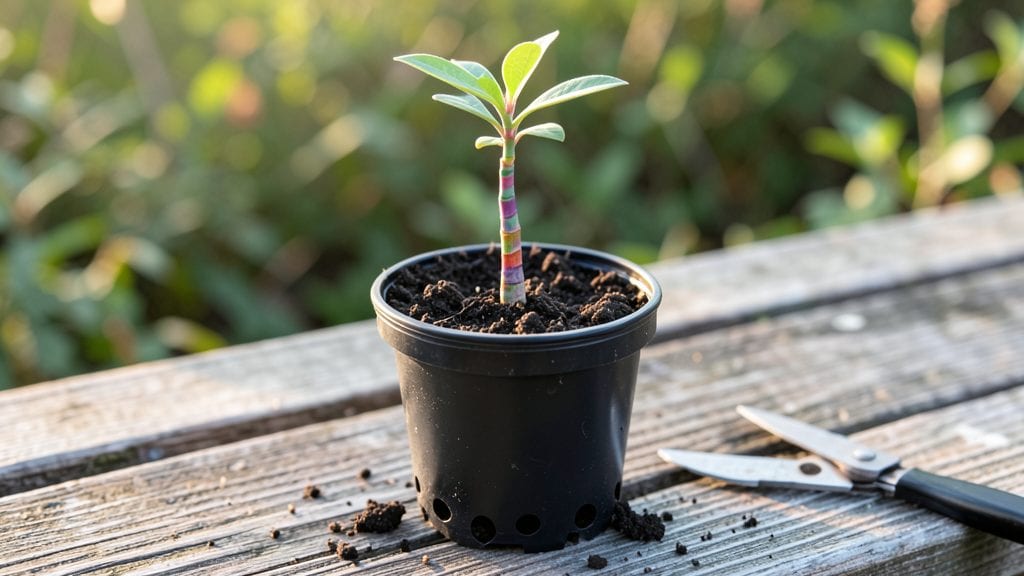
Growing rainbow eucalyptus seedlings from seed feels like unlocking a living rainbow—if you nail the cold stratification trick. ✨ This isn’t just another seed-starting project; it’s the secret to bypassing the years-long wait for mature color.
The key? Mimicking the tropical forest conditions these seeds crave before they’ll even think about sprouting.
Most gardeners skip this step and end up with seeds that refuse to cooperate. But when you give those tiny seeds a 60-day cold, moist chill in the fridge, you’re essentially tricking them into thinking winter’s passed.
All you need is a plastic bag, a damp paper towel, and patience—no fancy equipment required. The payoff? Seedlings that emerge stronger and faster than anything you’d buy at a nursery.
Once they break through the soil, these seedlings will reward you with glossy, dark-green leaves that eventually strip to reveal their stunning rainbow bark. The trickiest part? Keeping humidity high enough to prevent that dreaded "leggy" seedling syndrome.
A simple humidity dome or even a clear plastic bag over the pot works wonders—just don’t let them rot.
This method works year-round, whether you’re starting in early spring or late winter. The cold stratification hack is what turns a hit-or-miss experiment into a foolproof way to grow your own rainbow eucalyptus. Ready to grow a tree that looks like it belongs in a storybook?
📚 In This Guide
- What you need
- Instructions
- Tips and common mistakes
- Wrapping up and next steps
What you need
- ● Rainbow eucalyptus seeds – 10–20 seeds (ensure they’re fresh for best germination rates).
- ● Well-draining potting mix – 2–3 cups of a blend designed for seedlings (e.g., 50% peat moss, 30% perlite, 20% vermiculite).
- ● Small seedling pots or trays – 2–4 biodegradable pots (2–3 inches deep) or a seedling tray with individual cells.
- ● Plastic storage bag or clear lid – To create a humidity dome (e.g., a ziplock bag with holes or a propagator lid).
- ● Spray bottle – For gentle watering (avoid over-saturating the soil).
- ○ Refrigerator or cold stratification setup – A standard fridge set to 35–45°F (2–7°C) with a humidity tray (optional but helpful).
- ● Moistened paper towels or damp sphagnum moss – To wrap seeds during stratification (keep them consistently damp but not soggy).
- ● Plastic wrap or a sealed container – To maintain moisture while in the fridge (e.g., a small Tupperware with ventilation holes).
- ● Grow lights or sunny windowsill – For post-stratification growth (ensure 6+ hours of light daily).
- ● Fertilizer (balanced, water-soluble) – Diluted to half-strength once seedlings sprout (e.g., 10-10-10 NPK).
- ○ Heat mat (optional) – To speed up germination after stratification (set to 70–75°F / 21–24°C).
- ● Humidity dome or cloche – For extra moisture retention during early growth.
Step-by-Step instructions for growing rainbow eucalyptus from seed
Cold stratification is the secret to breaking dormancy and getting these vibrant seedlings up in record time.
🌱 Step 1: Collect and Prepare Fresh Seeds
Rainbow eucalyptus seeds are tiny and winged—collect them when the seed pods turn brown and begin splitting open naturally. I like to harvest them in late summer or early fall, just before they release their seeds. Place the pods in a paper bag and let them dry indoors for 3-5 days to ensure full maturity.
Once dry, gently crush the pods to release the seeds. You’ll need about 20-30 seeds to produce your 4 seedlings. Store them in a cool, dry place until stratification. The key here is freshness—older seeds lose viability quickly, so work with them within 2-3 weeks of collection.
❄️ Step 2: Perform Cold Stratification for 6-8 Weeks
Cold stratification mimics winter conditions and tricks seeds into thinking they’ve survived a natural dormancy period. Moisten a small paper towel or coffee filter with lukewarm water until damp but not soaking. Spread the seeds evenly on the towel, ensuring they don’t overlap.
Fold the towel to enclose the seeds and place it inside a sealed plastic bag. Store the bag in your refrigerator’s crisper drawer, where temperatures hover around 35-40°F. Check the seeds weekly—if the towel dries out, mist it lightly again. After 6-8 weeks, the seeds will be ready to plant, and you’ll see a noticeable difference in germination speed compared to untreated seeds.
🪴 Step 3: Plant in Well-Draining Seedling Mix
Fill small pots or a seed tray with a light, fast-draining mix—I recommend a blend of 50% peat moss and 50% perlite. The mix should feel airy and crumbly, almost like dry sand. Plant the stratified seeds ¼ inch deep, spacing them ½ inch apart to avoid overcrowding as they grow.
Gently press the soil around the seeds to ensure good contact but avoid compacting it. Place the pots in a shallow tray filled with ½ inch of water to keep the soil consistently moist without oversaturating. Keep the tray in a warm spot, ideally 65-70°F, until germination begins—this usually takes 2-4 weeks.
☀️ Step 4: Provide Warmth and Indirect Light
Once the first true leaves appear, move the seedlings to a location with bright, indirect light. Rainbow eucalyptus seedlings are sensitive to harsh sunlight, which can scorch their delicate foliage. A south-facing window with sheer curtains works well, or use a grow light positioned 6-8 inches above the plants for 12-14 hours daily.
Keep the soil lightly moist—never soggy. You’ll know it’s time to water when the top ½ inch feels dry to the touch. Avoid misting the leaves, as excess moisture can lead to fungal issues. Within 8-10 weeks, your seedlings will be ready for transplanting into larger pots or the garden.
⏰ Step 5: Harden Off and Transplant
Two weeks before your last frost date, begin hardening off the seedlings by placing them outdoors in a sheltered spot for 2-3 hours daily. Gradually increase their time outside over 10-14 days, shielding them from direct wind and sun. Watch for wilting or yellowing leaves—these are signs they’re not ready for full exposure yet.
Once hardened off, transplant the seedlings into individual 4-inch pots filled with a well-draining mix. Plant them at the same depth they were growing in their seed pots, and water thoroughly to settle the soil. After transplanting, keep them in partial shade for 1 week to reduce stress before moving them to their permanent spot.
Tips & tricks for perfect rainbow eucalyptus seedlings
Here's how to accelerate growth and avoid common pitfalls with this delicate plant.
Timing is Everything: The 6-8 week cold stratification period in Step 2 is non-negotiable for rainbow eucalyptus. I've found that maintaining a consistent 35-40°F temperature in your refrigerator's crisper drawer is crucial—this mimics natural winter conditions and tricks seeds into breaking dormancy. Use a small thermometer in your fridge to monitor temperatures, as some models can vary by 5°F or more. If your fridge runs cooler, extend the stratification period by an extra 1-2 weeks to compensate.
Stratification Secrets: Don't overlook the importance of the paper towel's moisture level during stratification. It should remain damp but never soggy—excess water can cause mold. I like to use a coffee filter instead, as it's more breathable and holds moisture better. Place the sealed bag in a clear plastic container to make it easy to check moisture levels weekly without opening the fridge door repeatedly. This small adjustment makes all the difference in preventing mold while maintaining proper humidity.
Lighting Strategy: Once your seedlings emerge in Step 4, lighting becomes critical. Rainbow eucalyptus seedlings are particularly sensitive to harsh sunlight, which can scorch their delicate leaves. If using a grow light, position it 6-8 inches above the plants and use a timer for 12-14 hours daily to maintain consistent growth. I've noticed that seedlings under grow lights develop more vibrant foliage compared to those under natural light alone. Rotate the pots weekly to ensure even growth—uneven light exposure leads to leggy seedlings.
Harden Off Gradually: The 2-3 hour daily outdoor exposure in Step 5 should be done progressively. Start with just 30 minutes on the first day, then add 30 minutes each subsequent day until reaching the full 2-3 hours. Watch for subtle signs of stress like curled leaves or slight wilting—these indicate the seedlings need more time to acclimate. I've seen seedlings that were rushed through hardening off develop yellowing leaves within days, so patience pays off here. After the full 10-14 days, your seedlings will be ready to handle full outdoor conditions.
Pro Tips for Rainbow Eucalyptus Seedling
- Here's how to accelerate growth and avoid common pitfalls with this delicate plant.
- Timing is Everything: The 6-8 week cold stratification period in Step 2 is non-negotiable for rainbow eucalyptus.
- Stratification Secrets: Don't overlook the importance of the paper towel's moisture level during stratification.
Frequently asked questions
Got questions about growing rainbow eucalyptus seedlings?
Here are answers to the most common ones—so you can nurture your colorful trees with confidence!
How long does cold stratification take for rainbow eucalyptus seedlings?
Cold stratification typically lasts 6–12 weeks in the refrigerator. Place your seeds in a moist paper towel inside a sealed bag, then store them in the vegetable crisper (not the freezer!). Check progress every 2–3 weeks—if sprouts appear earlier, move them to a warm spot to speed up germination.
Can I skip cold stratification and still grow rainbow eucalyptus?
While possible, stratification dramatically improves germination rates. Without it, seeds may take months (or not sprout at all). If you’re impatient, try soaking seeds in warm water for 24 hours first—then plant them in a warm, humid environment to mimic natural conditions.
How often should I water rainbow eucalyptus seedlings after germination?
Keep soil consistently moist but not soggy. Water when the top inch feels dry (usually every 2–3 days for seedlings). Use room-temperature water and avoid wetting the leaves to prevent fungal issues. A spray bottle works great for gentle hydration!
Why aren’t my rainbow eucalyptus seeds sprouting after stratification?
Try these fixes:
- Check seed viability: Test a few seeds in warm water—if they sink, they’re likely viable. If not, source fresh seeds.
- Adjust moisture: Seeds need constant dampness (not flooding) during stratification.
- Extend stratification: Some seeds need up to 16 weeks—be patient!
- Light exposure: Once sprouted, place seedlings under grow lights (12+ hours/day) for energy.
How tall will rainbow eucalyptus seedlings grow in their first year?
Expect 1–3 feet of growth in ideal conditions (warmth, sunlight, and proper care). Fast-growing varieties may reach 5+ feet with consistent watering and fertilization. Prune leggy stems early to encourage bushier, more vibrant foliage—your rainbow eucalyptus will thank you!
Wrapping up and next steps
Growing a rainbow eucalyptus seedling with cold stratification isn’t just rewarding—it’s a magical way to nurture vibrant, fast-growing plants! By following the right steps, you’ll unlock their full potential and enjoy a stunning addition to your garden.
Now that you’re equipped with the knowledge, take the next step: grab your supplies, chill those seeds, and watch your little saplings burst into color! 🌈✨
Ready to plant your future? Start today—your rainbow eucalyptus awaits! 🌱💚