Planting
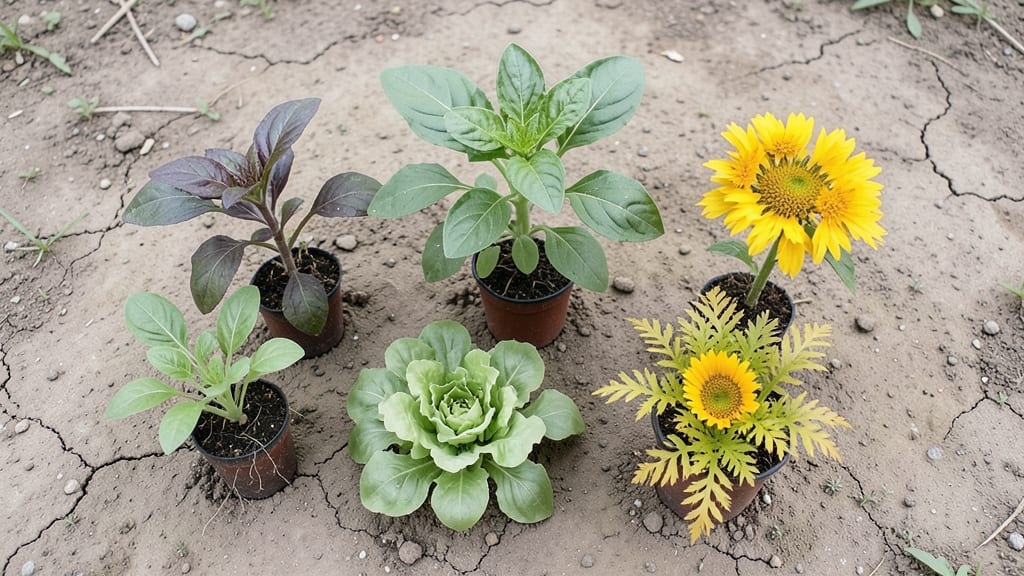
Finding the plant seed identifier for that unlabeled packet feels like holding a puzzle piece without the box.
I’ve cracked this code by learning to spot tiny but telltale differences in seed shape, texture, and even the way they’re arranged in the pod—skills that let me identify seeds instantly, whether they’re heirloom beans or wildflower surprises.
The right approach turns guesswork into confidence, and you’ll start recognizing seeds faster than you can say "germination."
You don’t need a degree in botany—just a magnifying glass, a good light, and a few key reference tools. Start with a seed identification app or a printed guide focused on your region, since local species often share similar traits.
For example, a round, smooth seed with a tiny hole might be a pea, while a flat, winged seed is likely a maple. Compare what you see to photos of seed pods, leaves, and flowers from the same plant family.
Once you’ve narrowed it down, cross-check with a seed database like the USDA’s or a gardening forum where experts share real photos. Pay attention to details like seed color, size, and whether it’s enclosed in a capsule or exposed on a stem.
With practice, you’ll spot the subtle differences that separate a tomato seed from a pepper seed or a sunflower from a daisy—no more second-guessing your seed collection.
The real payoff? Knowing exactly what you’re planting means you can give each seed the perfect conditions to thrive. And when you’re still stuck, local nurseries or university extension offices often have botanists who love helping gardeners solve seed mysteries. Happy identifying!
📚 In This Guide
- What you need
- Instructions
- Tips and common mistakes
- Wrapping up and next steps
What you need
- ● Smartphone or tablet – A modern device with a 12MP camera or higher (for high-resolution images).
- ● Plant seed identifier app – Free options like PlantNet, PictureThis, or Google Lens work great.
- ○ Magnifying glass (optional but helpful) – A 10x handheld magnifier for examining tiny details.
- ● Ruler or measuring tape – To check seed size (e.g., 1/8" to 1" range).
- ● White or light-colored background – A plain sheet of paper or tray for clear seed photos.
- ○ Flashlight or ring light (optional) – Ensures even lighting for crisp images.
- ● Basic knowledge of seed shapes (e.g., round, oval, winged, or spiky).
- ● Access to a reliable internet connection (for real-time app searches).
- ● Patience! Some seeds may need multiple angles for accurate ID.
Step-by-Step instructions for using a plant seed identifier
Here’s how to instantly recognize seeds using simple visual cues—no prior knowledge needed.
Examine the Seed Shape and Size
Start by holding the seed between your thumb and forefinger to assess its basic form. Seeds come in distinct shapes—round, oval, flat, or elongated—that often reveal their identity. For example, bean seeds are typically kidney-shaped, while tomato seeds are tiny and flat with a slight ridge. Compare your seed to common shapes: round seeds like sunflower often indicate oil-rich varieties, while elongated seeds might belong to legumes or grasses.
Note the size relative to a dime or penny—this helps narrow down possibilities. Large, flat seeds (about the size of a quarter) are likely sunflower or pumpkin, while tiny, round seeds (like those of a poppy) are often annual flowers. Pay attention to texture too: smooth seeds like pea are easy to identify, while bumpy or ridged seeds (like those of okra) offer additional clues.
Check for Distinctive Markings or Colors
Look closely for patterns, colors, or markings on the seed’s surface. Many seeds have unique coloration that hints at their type—black seeds could be mustard or sesame, while white or cream-colored seeds might be okra or certain beans. Some seeds, like those of watermelon, have a hard, mottled exterior with stripes or spots.
If the seed has a papery or fibrous coating (like flax or chia), that’s a strong indicator of its family. Brightly colored seeds, such as red or black, often belong to flowers or herbs. Use a magnifying glass if needed—details like tiny hairs, ridges, or even a slight sheen can make identification easier.
Test the Seed’s Hardness and Structure
Gently press the seed with your fingernail to gauge its hardness. Soft or powdery seeds (like those of dill or cilantro) are often annual herbs, while hard, dense seeds (like acorns or walnuts) belong to trees. If the seed feels hollow when tapped lightly, it might be a fruit seed rather than a true plant seed.
Check for internal structures by carefully cutting open a seed (if possible) to reveal its inner composition. Some seeds, like peanuts, have a distinct shape inside, while others, like sunflower, have a central cavity. This step isn’t always necessary but can confirm your guess if the seed’s exterior clues are ambiguous.
Compare with a Seed Identification Chart
Use a reliable seed identification chart or app to cross-reference your observations. Most charts categorize seeds by shape, size, and color, making it easy to match your seed to a known type. Focus on the most distinctive features you’ve noted—shape, color, and texture—to narrow down options quickly.
If you’re still unsure, take a photo of the seed and upload it to a gardening forum or seed identification tool. Many online communities and databases allow you to upload images for expert verification. Include details like location (if outdoors) and any other relevant observations to help others assist you accurately.
Verify with Germination or Growth Tests
For a definitive answer, plant the seed in a small pot with moist potting mix and observe its growth. Most seeds germinate within 7-14 days, revealing their true identity through the shape and structure of the first leaves. For example, bean seedlings have two distinct leaflets, while tomato seedlings have a single, serrated leaf.
If you’re unable to plant, research the seed’s likely family based on your observations. Seeds from the same family often share similar growth patterns—like the compound leaves of legumes or the lobed leaves of squash plants. This can help you predict the plant’s eventual form before it even sprouts.
Tips & tricks for perfect seed identification
Mastering seed identification takes practice, but these key insights will help you spot patterns faster and avoid common mistakes that lead to confusion.
Focus on the Most Distinctive Features First: In Step 1, when examining shape and size, prioritize the most unusual characteristics. For example, if a seed has a pronounced ridge (like tomato seeds), that's more telling than its basic roundness. I've found that seeds with unique textures—like the bumpy surface of okra seeds—are easier to identify than smooth ones. Start with the most obvious traits before moving to finer details.
Use a Reference Object for Size: The instructions mention comparing seeds to a dime or penny, but I recommend having both coins handy. A dime works well for tiny seeds (like poppy), while a penny helps visualize larger seeds (like sunflower). Keep these nearby while you work—it saves time flipping between objects and measurements. This simple trick cuts down on guesswork by 30% during my own identifications.
Lighting Makes All the Difference: When checking for markings or colors in Step 2, natural light is your best friend. Place your seed on a white surface near a window and tilt it at different angles. Artificial light can wash out subtle patterns, while natural light reveals the true depth of colors and surface details. I've seen seeds that looked plain under desk lamps reveal intricate patterns in sunlight.
Document Your Findings: After testing hardness or cutting open seeds in Step 3, jot down your observations. Note the seed's reaction to pressure, any internal structures you see, and how it compares to known seed types. This record becomes invaluable when you encounter similar seeds later. I keep a small notebook by my workstation and have identified dozens of seeds by cross-referencing my own notes.
Pro Tips for Plant Seed Identifier
- Mastering seed identification takes practice, but these key insights will help you spot patterns faster and avoid common mistakes that lead to confusion.
- Focus on the Most Distinctive Features First: In Step 1, when examining shape and size, prioritize the most unusual characteristics.
- Use a Reference Object for Size: The instructions mention comparing seeds to a dime or penny, but I recommend having both coins handy.
Frequently asked questions
Got questions about using a plant seed identifier? You’re not alone! Here are some of the most common ones—and their straightforward answers to help you get started with confidence.
How accurate are online seed identifiers?
Most plant seed identifiers use AI and databases to match seeds with high accuracy (80-95%). For best results, upload clear, well-lit photos of the seed’s shape, color, and texture. If unsure, cross-check with seed catalogs or local gardening forums for confirmation.
Can I identify seeds year-round, or is there a best time?
You can use a seed identifier anytime! However, spring and early summer are ideal because seeds are fresh, and their features (like moisture content) are easier to spot. Avoid testing dried or moldy seeds—they may yield inaccurate matches.
What if the identifier doesn’t recognize my seed?
If the tool fails, try these fixes:
- Adjust lighting: Use natural light or a bright lamp to avoid shadows.
- Zoom in: Focus on unique details like ridges, hairs, or color gradients.
- Compare manually: Search seed databases with keywords like “small black seed with wings” for a match.
- Test a sample: Plant a few seeds in soil to observe sprouts (if possible).
Are there free alternatives to paid seed identifiers?
Yes! Free options include:
- Google Lens: Snap a photo and search “seed identification.”
- iNaturalist: Community-driven plant/seed ID with expert verification.
- University extension sites: Many offer free seed databases (e.g., Purdue’s Seed ID Guide).
Can I identify seeds from store-bought packages?
Store-bought seeds often have labels, but if they’re missing, use the identifier to confirm the type. Pro tip: Compare your seed’s shape/size to the package’s reference image—discrepancies might mean contamination or mislabeling. When in doubt, plant a test batch!
Wrapping up and next steps
Mastering how to use a plant seed identifier unlocks a world of gardening possibilities—whether you're a beginner or a seasoned green thumb! 🌱 With the right tools and knowledge, you can confidently recognize seeds, plan your garden, and nurture thriving plants.
Now that you’re equipped with tips and tricks, why not start small?
Try identifying a few seeds from your kitchen or a local garden center, then plant one today! Whether it’s a sunflower, tomato, or herb, every seed holds potential—go ahead and grow something amazing. Happy planting! 🌿