Pests
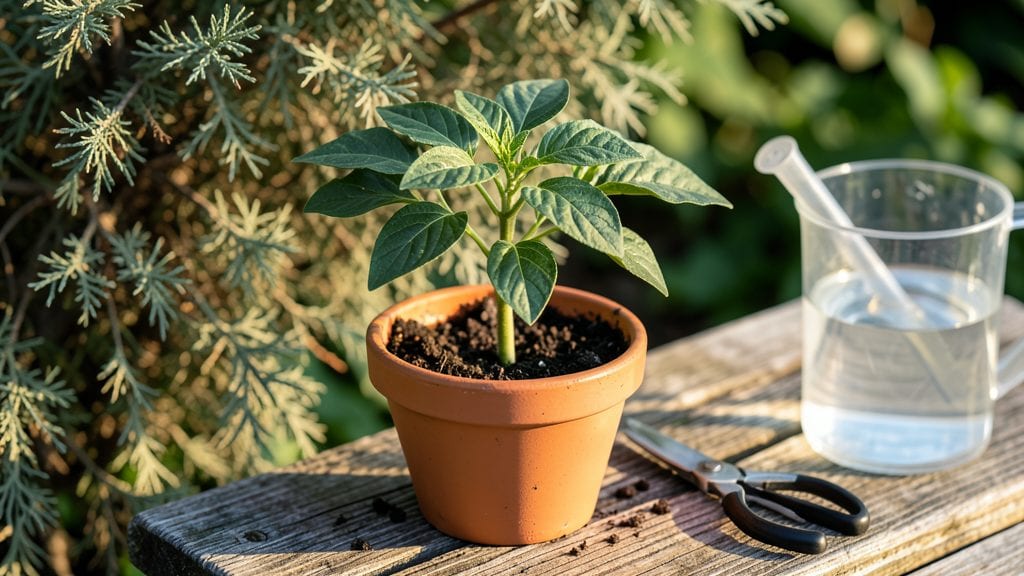
Pepper seedling leaves curling or spotted? That’s your first warning sign before pests take over. 🌱 I’ve seen aphids turn a thriving tray of seedlings into a sad, sticky mess in under a week—so spotting the problem early is everything.
The key is knowing what to look for before the damage gets out of hand.
Most issues start small: tiny holes from spider mites, yellowing from overwatering, or the telltale webbing of thrips. These pests love young seedlings because they’re soft and vulnerable.
The good news? Catching them early means you can save your plants with simple fixes—like a strong spray of water for aphids or neem oil for fungal spots.
By the time you see real damage, it’s already too late for some seedlings. But if you check leaves daily and act fast, you’ll keep your tray healthy and ready for transplanting. The goal is strong, glossy leaves—no yellowing, no holes, just steady growth.
This works for all pepper varieties, from bell to jalapeño, and in any growing setup. Start with prevention, and you’ll avoid the heartbreak of losing seedlings before they even reach the garden.
Root Causes Of Leaf Trouble
Understanding why your pepper seedling leaves develop issues is the first step toward saving your plants. Below, we break down the scientific reasons behind common problems—so you can take targeted action.
Pepper seedlings thrive in well-draining soil, but when roots sit in soggy conditions, they suffocate.
This leads to: - Yellowing leaves (chlorosis) – Roots can’t absorb oxygen, starving the plant. - Mushy stems & wilting – Excess moisture invites fungal diseases like Phytophthora, which rot roots and block nutrient uptake. - Stunted growth – The plant diverts energy to survival instead of leaf development.
Why it happens:
- Compacted or clay-heavy soil holds water like a sponge, cutting off oxygen.
- Lack of drainage holes in containers traps excess moisture.
- Overzealous watering (e.g., daily checks without testing soil moisture).
Actionable fix: ✔️ Test soil moisture with your finger—only water when the top 1 inch is dry. ✔️ Use lightweight mixes (50% potting soil + 50% perlite/pumice). ✔️ Elevate pots to prevent water pooling at the bottom.
Pepper seedlings are sensitive to dehydration, especially in hot or dry conditions. Signs include:
- Crispy, brown leaf edges – Cells lose turgor pressure from water loss.
- Drooping leaves – The plant conserves water by wilting.
- Slow growth – Metabolic processes stall without proper hydration.
Why it happens:
- Inconsistent watering (e.g., forgetting for days).
- High temperatures (above 85°F/30°C) increase evaporation rates.
- Small pots drying out fast – Seedlings need frequent moisture checks.
Actionable fix: ✔️ Water deeply until it drains from the bottom (but don’t let it sit in water). ✔️ Mulch with straw to retain soil moisture. ✔️ Move seedlings to a shady spot during peak afternoon heat.
Tiny pests sap nutrients from leaves, causing:
- Sticky residue (honeydew) – Aphids excrete this, attracting mold.
- White/yellow speckles – Spider mites pierce cells, leaving stippling.
- Curled or distorted leaves – Thrips feed on new growth, warping it.
Why it happens:
- Weak seedlings (stressed by poor light/nutrients) attract pests.
- Crowded plants – Pests spread easily in tight spaces.
- Outdoor exposure – Wind carries mites/aphids from nearby plants.
Actionable fix: ✔️ Isolate affected seedlings to prevent spread. ✔️ Spray with neem oil (1 tsp per quart of water) or insecticidal soap. ✔️ Introduce beneficial insects (ladybugs, lacewings) for natural control.
Leaves act as nutrient mirrors—their color and shape reveal what’s missing:
- Yellow lower leaves → Nitrogen deficiency (old leaves break down first).
- Yellow veins with green patches → Iron chlorosis (common in alkaline soil).
- Purple stems/undersides → Phosphorus or magnesium lack.
Why it happens:
- Over-fertilizing with synthetic salts – Burns roots, blocking nutrient uptake.
- Improper pH (below 6.0 or above 7.5) – Locks out essential minerals.
- Young seedlings outgrowing starter nutrients – Seedling mixes deplete fast.
Actionable fix: ✔️ Test soil pH (aim for 6.0–6.8 for peppers). ✔️ Use balanced fertilizer (10-10-10 or 5-5-5) every 2–3 weeks. ✔️ Add chelated iron if leaves stay pale despite watering.
Moving seedlings (even to larger pots) can stress roots, leading to:
- Wilting despite water – Roots take time to regrow.
- Leaf drop – The plant sheds foliage to conserve energy.
- Slow recovery – New roots need 7–14 days to establish.
Why it happens:
- Disturbed root balls during repotting (e.g., pulling instead of sliding).
- Overcrowded roots in small containers (roots circle instead of expanding).
- Temperature swings post-transplant (e.g., moving from indoors to cold outdoors).
Actionable fix: ✔️ Repot gently—slide the seedling out, don’t tug. ✔️ Use slightly larger pots (just 1–2 inches bigger in diameter). ✔️ Keep in shade for 3–5 days after transplanting to reduce stress.
Diseases like damping-off (Rhizoctonia) or early blight (Alternaria) attack weak seedlings:
- Dark, water-soaked spots → Bacterial soft rot.
- Gray mold on stems → Botrytis cinerea (thrives in humidity).
- Leaf spots with yellow halos → Fungal infections spreading.
Why it happens:
- High humidity + poor airflow – Fungi spores thrive in damp conditions.
- Contaminated soil/tools – Old potting mix or shared scissors can carry pathogens.
- Stressed plants – Weak seedlings can’t fight off infections.
Actionable fix: ✔️ Sterilize tools with rubbing alcohol before use. ✔️ Space seedlings for airflow (2–3 inches apart). ✔️ Apply copper fungicide (preventative spray every 2 weeks).
Quick Fixes for Pepper Seedling Leaf Issues
When your pepper seedlings show signs of distress, acting fast can mean the difference between a thriving garden and a lost crop. Below are practical, step-by-step solutions tailored to common causes—from pests to environmental stress—along with prevention tips to keep your seedlings healthy long-term.
🔹 Cause: Chewed leaves, holes, or webbing on seedlings often mean aphids, spider mites, or caterpillars are feasting on your plants.
👨🍳 Fix It Fast:
- Inspect & Isolate 🔍
- Move affected seedlings to a shaded, quarantined area to prevent spread.
- Check the undersides of leaves and soil surface for eggs or pests.
- Blast Them Away 💦 - Water spray: Use a strong stream of water (early morning) to dislodge aphids or spider mites. - Neem oil spray: Mix 1 tsp neem oil + 1 tsp mild soap + 1 quart water.
Spray directly on pests (avoid seedlings’ stems). Reapply every 3–5 days until gone. - Diatomaceous earth (DE): Sprinkle food-grade DE lightly around the base of seedlings. It dehydrates soft-bodied pests like slugs or mites. Reapply after rain.
- Handpick & Destroy 🪰
- For larger pests (like caterpillars), pick them off by hand and drop them in soapy water.
💡 Prevention Tips:
- Encourage natural predators: Plant marigolds, basil, or dill nearby to attract ladybugs and lacewings.
- Use row covers (fine mesh) over seedlings to block pests before they arrive.
- Rotate crops yearly to disrupt pest life cycles.
🔹 Cause: Yellowing, wilting, or curling leaves often stem from overwatering, underwatering, temperature swings, or poor airflow.
👨🍳 Fix It Fast:
| Issue | Quick Fix | Prevention |
|---|---|---|
| Overwatered (Mushy Leaves) 💧 | Stop watering immediately. Let soil dry 1–2 inches deep before watering again. Repot if roots are rotting. | Use well-draining soil (mix potting soil with perlite). Water only when top inch is dry. |
| Underwatered (Crispy Edges) 🔥 | Water deeply until it drains from the bottom. Mist leaves lightly to raise humidity. | Water consistently—don’t let seedlings dry out completely. Use a moisture meter if possible. |
| Temperature Shock (Drooping) ❄️ | Move seedlings to a stable 65–75°F area. Avoid drafts or direct sun. | Hardening off seedlings gradually before transplanting. Use row covers for frost protection. |
| Poor Airflow (Fungal Spots) 🍄 | Increase spacing between seedlings. Use a small fan on low setting (24/7) to improve circulation. Remove infected leaves. | Prune lower leaves to allow airflow. Avoid overcrowding in trays. |
💡 Prevention Tips:
- Monitor soil moisture with your finger—stick it in 1 inch deep before watering.
- Use self-watering trays to maintain even moisture without overdoing it.
- Avoid cold drafts (like AC vents or open windows at night).
🔹 Cause: Pale, yellow, or stunted leaves may signal nitrogen, magnesium, or iron deficiencies.
👨🍳 Fix It Fast:
| Symptom | Likely Deficiency | Solution | Prevention |
|---|---|---|---|
| Yellow lower leaves 🟡 | Nitrogen (N) | Apply diluted fish emulsion (5-5-5 fertilizer) or compost tea. | Use balanced fertilizer (e.g., 10-10-10) every 2 weeks. |
| Yellow between veins 🟢 | Magnesium (Mg) | Spray Epsom salt solution (1 tbsp per gallon of water) on leaves. | Add Epsom salt to soil at planting (1 tbsp per plant). |
| Yellow new leaves 🟤 | Iron (Fe) | Use chelated iron supplement (follow package rates). | Plant in slightly acidic soil (pH 6.0–6.8). Avoid over-fertilizing with lime. |
💡 Prevention Tips:
- Test soil pH before planting—peppers thrive in slightly acidic to neutral soil (6.0–7.0).
- Rotate fertilizers to avoid lockouts (e.g., alternate nitrogen with micronutrients).
- Avoid over-fertilizing—seedlings are sensitive to salt buildup!
🔹 Cause: Dark spots, powdery residue, or mold on leaves = fungal diseases (like powdery mildew or damping-off).
👨🍳 Fix It Fast:
- Remove Infected Leaves 🗑️
- Snip off any black, brown, or moldy leaves with sterilized scissors (wipe with rubbing alcohol between cuts).
- Apply Fungicide 🍄
- Baking soda spray: Mix 1 tsp baking soda + 1 quart water + few drops of soap. Spray every 7–10 days.
- Copper fungicide: Use organic copper spray (like Bonide Copper Fungicide) as directed.
- Improve Airflow & Light 🌬️
- Space seedlings 2–3 inches apart and increase light (use grow lights if needed).
- Water at the base (avoid wetting leaves) to prevent fungal spores from spreading.
💡 Prevention Tips:
- Sterilize tools before pruning to avoid spreading disease.
- Use raised beds or containers for better drainage.
- Rotate crops—don’t plant peppers in the same spot yearly.
Final Pro Tip: 🌱 When in doubt, act fast! Most seedling issues worsen quickly, but early intervention—whether it’s a spray, repotting, or adjusting care—can save your crop. Keep a seedling care journal to track what works (and what doesn’t) for next time!
Frequently asked questions
Why are my pepper seedling leaves turning yellow?
Yellowing leaves usually signal overwatering or nutrient deficiencies. Check if the soil feels soggy—pepper seedlings need well-draining soil. If the yellowing starts with older leaves, it’s likely a nitrogen deficiency. For new leaves turning yellow, test your soil pH (aim for 6.0–6.8) or add chelated iron.
What do tiny holes in pepper seedling leaves mean?
Those holes are a red flag for spider mites or flea beetles. These pests thrive in dry conditions, so increase humidity with a light mist. Isolate affected seedlings and spray with neem oil (1 tsp per quart of water) or insecticidal soap. Check the undersides of leaves daily for signs of webbing.
Can I save pepper seedlings with curled leaves?
Curling often means thrips, aphids, or environmental stress like underwatering. First, inspect for pests—use a magnifying glass to spot tiny insects. If no pests, adjust watering (keep soil consistently moist but not soggy) and move seedlings to a shadier spot if exposed to harsh afternoon sun. Severe curling may require repotting in fresh soil.
How often should I fertilize pepper seedlings?
Wait 3–4 weeks after germination before fertilizing—seedlings are sensitive to salts. Use a balanced fertilizer (5-5-5 or 10-10-10) diluted to half-strength every 2–3 weeks. Over-fertilizing burns roots, causing yellowing or stunted growth. Always water thoroughly after applying fertilizer.
Are white spots on pepper seedling leaves harmful?
White spots could indicate powdery mildew (fungal) or spider mite eggs. For mildew, improve airflow by spacing seedlings 2–3 inches apart and spray with a baking soda solution (1 tsp baking soda + 1 quart water + soap). If mites, wipe leaves with a damp cloth and apply neem oil. Sterilize tools to prevent spreading.