
Size
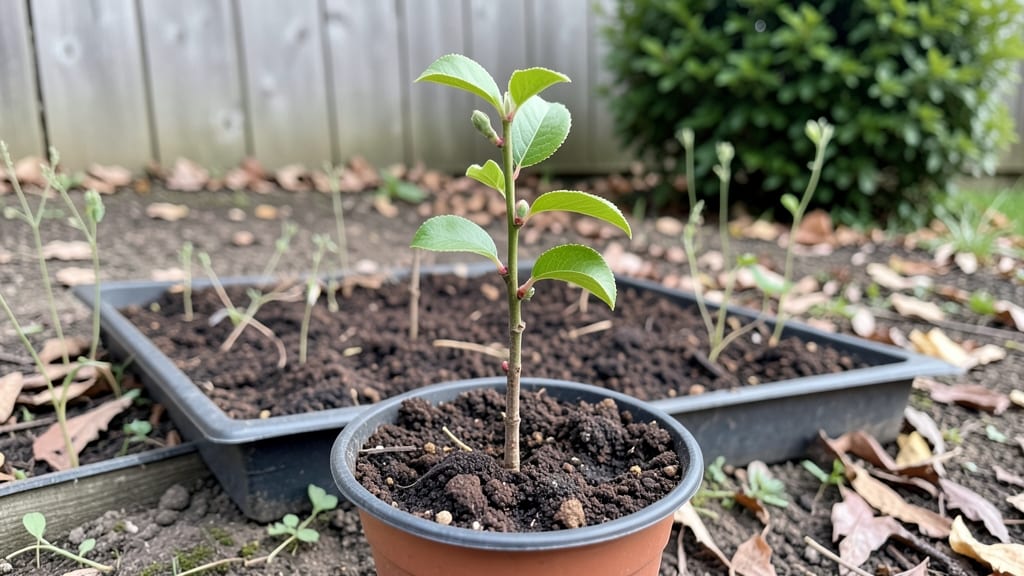
Growing a peach tree from seed is the ultimate long-game gardening project—one that rewards patience with a tree that could outlive you. 🌱 I’ve watched my own peach seedling grow from a toothpick-thin sprout to a sturdy 3-foot sapling in just two years, and the best part?
You skip the expensive nursery trees and get to nurture something truly unique. The trick isn’t complicated: it’s about timing, moisture, and letting nature handle the rest without the usual stratification fuss.
Here’s the game-changer: peach seeds germinate best in warm soil (70-75°F), so no cold treatment is needed. You’ll need a shallow container, well-draining soil mix, and a sunny windowsill or grow light—basically, the same setup you’d use for tomatoes.
The real secret? Consistency. Keep the soil damp (not soggy) and expect your first true leaves in 4-8 weeks, though some seeds take twice as long. Slow and steady wins the race with peach trees.
By the time your seedling hits 12 inches tall, it’ll be ready for its first transplant into a pot, and within a year, you could be moving it into the ground. Yes, it’ll take 5-7 years before you see fruit—but that first blossom?
It’s worth every wait. The tree you grow might even produce peaches different from the store-bought kind, with flavors only your backyard can deliver.
This method works in USDA Zones 5-9, though colder climates may need winter protection for young trees. The key is starting early (indoors in late winter) and giving your seedling the space to grow strong.
No fancy tools, no shortcuts—just time, sunlight, and a little bit of luck. Ready to plant the future?
📚 In This Guide
- What you need
- Instructions
- Tips and common mistakes
- Wrapping up and next steps
What you need
- ● Peach pits: 3–5 fresh, organic peach seeds (avoid store-bought pits treated with fungicides). 💡 Pro tip: Use pits from heirloom or locally grown peaches for better germination!
- ● Well-draining potting mix: 1–2 bags of seed-starting mix (sterile, peat-based or coco coir blends work best). Avoid garden soil—it’s too dense!
- ● Containers: Small pots (3–4 inches deep) or
- ● A seed tray with individual cells (for organized germination).
- ● Plastic wrap or humidity dome: To create a mini greenhouse effect and retain moisture.
- ● Spray bottle: For gentle watering (avoid over-saturating the seeds!).
- ● Grow lights or sunny windowsill: A south-facing window (6+ hours of light/day) or a LED grow light (12–16 hours/day) for seedlings.
- ● Patience: Peach seeds can take 4–12 weeks (or longer!) to sprout—think of it as a long-term investment! 🌱
- ● Heat mat: Keeps soil temps at 70–80°F to speed up germination (especially in cooler climates).
- ● pH test kit: Ensure your soil is slightly acidic (pH 6.0–6.5) for optimal growth.
- ● Fertilizer (diluted): A balanced liquid fertilizer (5-5-5 or 10-10-10) once seedlings have 2–3 true leaves.
- ● Transplanting trays: For moving seedlings to larger pots (4–6 inches) before outdoor planting.
- ● Pruning shears: To trim leggy seedlings later on.
Step-by-step instructions for germinating peach seeds year-round
Here's how to break the stratification barrier and grow peach trees from seed—no cold treatment required.
🌱 Step 1: Select and Prepare the Seeds
Choose fresh, plump peach pits from fully ripe fruit—older seeds germinate poorly. Crack the pit open with a nutcracker or hammer, then remove the seed inside. I like to soak the seeds in lukewarm water for 24 hours first; this softens the hard outer shell and speeds up germination later.
After soaking, place the seeds between two paper towels in a sealed plastic bag. Store them in a warm spot (70-75°F) for 1-2 weeks. Check daily—they're ready when you see a tiny white root (radicle) emerging. This pre-sprouting trick mimics natural stratification without the cold.
💧 Step 2: Plant Pre-Sprouted Seeds in Moistened Soil
Fill a 4-inch diameter pot with well-draining potting mix (I use a 50/50 blend of potting soil and perlite). Moisten it until damp but not soggy—you should feel slight resistance when squeezing a handful. Make a ½-inch deep hole in the center and place the sprouted seed with the root pointing downward.
Cover lightly with additional mix, leaving the top of the seed exposed. Press gently around the edges to eliminate air pockets. Water lightly with a spray bottle until the soil surface looks uniformly damp. Place the pot in a warm, bright spot (65-75°F) where it gets indirect light.
☀️ Step 3: Provide Warmth and Controlled Light
Peach seedlings need consistent warmth to avoid dormancy. I place mine on a seedling heat mat set to 75°F for the first 2 weeks, then reduce to 68-72°F afterward. Use a grow light on a 14-hour cycle to prevent leggy growth—natural sunlight alone rarely provides enough intensity.
Watch for the first true leaves (not the initial seed leaves) to appear in 3-6 weeks. These will look different from the cotyledons—smaller, serrated, and more peach-tree-like. Once they emerge, increase light exposure gradually to 6-8 hours daily to harden the young plant.
🌿 Step 4: Transplant and Maintain Growth Conditions
After 4-6 weeks with 3-4 true leaves, transplant to a 6-inch pot using the same well-draining mix. Handle the seedling carefully—peach roots are delicate and break easily. Water thoroughly after transplanting to settle the soil around the roots.
Keep the soil consistently moist but never waterlogged. You'll know it's right when the top inch feels dry to the touch. Fertilize lightly with a balanced 10-10-10 formula at half strength every 4 weeks once the plant shows signs of new growth. Peach trees grow slowly—don't rush the process.
⏰ Step 5: Prepare for Outdoor Transition
When nighttime temperatures stay above 50°F consistently (usually late spring), begin hardening off your seedling. Place it outside in a sheltered spot for 1-2 hours daily, gradually increasing exposure over 2 weeks. Watch for leaf curling or wilting—this signals it's not ready for full sun yet.
Once hardened off, plant in a permanent location with full sun exposure and well-draining soil. Peach trees need space—plant at least 20 feet apart from other trees. Mulch around the base with 2-3 inches of organic mulch to retain moisture and regulate soil temperature.
Tips & tricks for year-round peach seed germination
This game-changing method eliminates the need for cold stratification, but a few key adjustments make all the difference between success and disappointment.
Seed Selection is Everything: Don't just grab any peach pit—look for ones from fully ripe, organic peaches when possible. The fresher the fruit, the higher your germination rate. I've found that pits from heirloom varieties often perform better than commercial ones. After cracking open the pit, inspect the seed for cracks or damage—these won't germinate properly. The 24-hour lukewarm soak is your first critical step: use water that's warm to the touch but not hot (around 90°F). Too hot and you'll damage the seed; too cold and you're not softening the shell effectively.
Temperature Precision Matters: Maintaining that 70-75°F range during the pre-sprouting phase is non-negotiable. I use an inexpensive digital thermometer to monitor my warm spot—kitchens can fluctuate wildly. If your home stays cooler, consider using a seedling heat mat set to 75°F for the first 2 weeks of pre-sprouting. The moment you see that tiny white radicle emerge (usually within 7-10 days), it's time to plant—don't let the seed dry out or it'll stall.
Light Strategy is Critical: That 14-hour grow light cycle in Step 3 is your secret weapon against leggy seedlings. I've ruined multiple batches by assuming natural sunlight would suffice—big mistake. Position the light just 2-3 inches above the seedlings and adjust as they grow. When you see those first true leaves (the smaller, serrated ones that look like miniature peach leaves), you can gradually increase to 6-8 hours of natural light daily. This transition period is where most growers fail—they move too quickly to full sun.
Transplanting Technique: The 4-6 week mark is when most seedlings get their first shock—handling them improperly can kill them. I use the "drip method" for transplanting: water the original pot thoroughly, then gently squeeze the sides to loosen the root ball before sliding it into the new 6-inch pot. The key is to keep that root system intact—peach tree roots are famously delicate. After transplanting, I always water from the bottom by placing the pot in a shallow tray of water for 10 minutes. This encourages the roots to grow downward rather than circling.
Pro Tips for Peach Seed Grow A Garden
- This game-changing method eliminates the need for cold stratification, but a few key adjustments make all the difference between success and disappointment.
- Seed Selection is Everything: Don't just grab any peach pit—look for ones from fully ripe, organic peaches when possible.
- Temperature Precision Matters: Maintaining that 70-75°F range during the pre-sprouting phase is non-negotiable.
Frequently asked questions
Do peach seeds need cold stratification to germinate?
Not at all! Unlike many stone fruits, peach seeds (Prunus persica) can germinate without stratification thanks to their unique non-dormant nature. Simply soak them for 24–48 hours before planting for faster sprouting. This makes them perfect for year-round growing experiments!
How long does it take for a peach seed to sprout?
With proper soaking and warm conditions (70–80°F), you’ll often see tiny sprouts in 7–14 days. However, some seeds may take up to 3 weeks—patience is key! Keep the soil consistently moist (not soggy) to speed up germination.
Can I grow a peach tree from a store-bought peach?
Just save a fresh, firm seed from a ripe peach (avoid bruised or soft ones). Rinse it, dry it, and soak it before planting. Note: The resulting tree may not match the parent fruit’s flavor or quality, but it’s a fun experiment!
Why isn’t my peach seed germinating?
Check these common issues:
- Old seeds: Use seeds from fresh peaches (within 6 months). Older seeds lose viability.
- Improper soaking: Soak for 24–48 hours in room-temperature water (change water if it gets cloudy).
- Cold temps: Peach seeds need warmth (70°F+) to sprout. Use a heat mat if needed.
- Rot: Overwatering or poor drainage can cause mold. Use a well-draining mix!
Will my peach seedling survive outdoors?
Peach seedlings are tender and need protection from frost and harsh winds. Start them indoors (or in a greenhouse) for 6–12 months before transplanting. In colder climates, grow them in containers to move indoors during winter.
Wrapping up and next steps
Growing peaches from seed is a rewarding journey that blends patience with nature’s magic—no stratification needed! 🌱 Whether you’re a seasoned gardener or a curious beginner, this method proves that great things grow from small seeds.
Start with just a few peach pits, a sunny spot, and a little care, and soon you’ll be harvesting your own homegrown fruit.
Ready to take the next step? Plant your first seed today and watch your garden flourish. Share your progress with fellow gardeners—your peach tree adventure is just beginning! 🌟