
Diseases
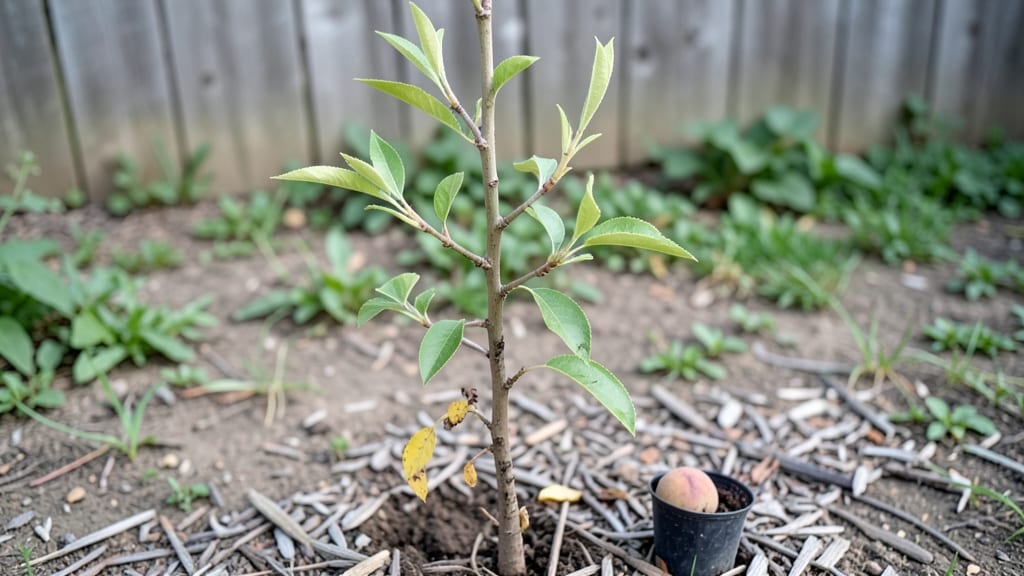
You can grow a peach tree from a peach seed, but the process is slow and the results unpredictable. The resulting tree may never produce fruit like the parent, and it could take 5-7 years before you see any harvest—if it happens at all. Proper soil, patience, and warm climates give you the best chance of success.
Peach seeds carry dormancy—a natural pause in growth that requires cold stratification (like winter chilling) to break.
Without this step, germination rates drop dramatically, and seedlings often struggle to thrive. 🌱 What’s fascinating is how genetic variability plays a role: while your seed might sprout, the tree could develop entirely different traits—perhaps even thornier branches or smaller fruit.
Many gardeners start with seeds just for fun, knowing they’ll likely end up with a decorative tree rather than a productive one.
If you’re serious about growing peaches, grafting is the smarter choice—it guarantees fruit quality and faster maturity. But for seed-growing enthusiasts, the journey itself becomes part of the reward.
Just remember: your first seedling might not be your best peach producer, but it could become a stunning ornamental tree in your yard.
💡 In This Article
- Peach Seed Germination Science and Challenges
- Step-by-Step Guide to Growing Peach Trees from Seeds
Peach seed germination science and challenges
The peach seed's journey from dormancy to sprout involves a fascinating biological process called seed dormancy. When you bite into a peach, the pit contains an embryo that's genetically programmed to wait for specific conditions before growing.
This dormancy occurs because peach trees naturally grow in regions with distinct seasons—warm summers and cold winters. The seed needs this cold stratification period (typically 6-8 weeks at 34-41°F) to break down natural growth inhibitors.
Without this chilling, germination rates can drop below 20%, leaving you with weak or non-viable seedlings. 🌱
Here's what's actually happening chemically: The cold period triggers hormonal changes in the seed. Abscisic acid (a growth inhibitor) decreases while gibberellins (growth promoters) increase. This shift allows the seed to absorb water and swell, signaling the embryo to begin cell division.
What most people don't realize is that even with successful germination, the resulting tree's genetic makeup can be wildly different from the parent.
Peach seeds are heterozygous, meaning they carry mixed genetic traits from both parents—this explains why seed-grown trees often produce small, tart fruit or no fruit at all, even after years of growth.
The genetic variability becomes even more dramatic when comparing seed-grown trees to grafted varieties. Grafting takes a desirable fruit-producing cultivar (like 'Elberta' or 'Redhaven') and attaches it to a compatible rootstock.
This ensures the tree will produce fruit identical to the parent within 2-3 years, whereas seed-grown trees might take 5-10 years (if ever) and produce completely different fruit.
The science behind this involves clonal reproduction—grafting preserves the exact genetic makeup of the parent tree, while seeds introduce genetic recombination.
Cold stratification methods vary but all require moisture and cold exposure. The refrigerator method involves wrapping seeds in damp paper towels and storing them in a plastic bag for 6-8 weeks, while the outdoor stratification method plants seeds in fall to experience natural winter chilling.
Temperature fluctuations between 32-50°F during this period are crucial—they simulate spring's arrival and trigger germination hormones. Without proper stratification, seeds may either fail to sprout or produce weak seedlings that struggle in your garden's conditions. 🌿
Consider these key factors when attempting seed germination:
- Seed selection: Choose plump, undamaged pits from fully ripe peaches—small or shriveled seeds have lower viability
- Stratification consistency: Maintain 80-90% humidity during cold treatment to prevent drying
- Soil temperature: After stratification, plant in soil kept at 70-75°F for optimal root development
- Light requirements: Seedlings need 12-14 hours of light daily after sprouting
The real magic happens when you understand that seed-grown peach trees often become ornamental specimens rather than fruit producers. Their branches may develop unique shapes, and they might produce single flowers instead of fruit clusters.
This genetic diversity is what makes seed-growing so rewarding for plant enthusiasts—each tree becomes a one-of-a-kind work of nature. For fruit production, grafting remains the gold standard, but the seed-growing journey offers its own unique rewards and lessons in plant genetics. ✨