How To
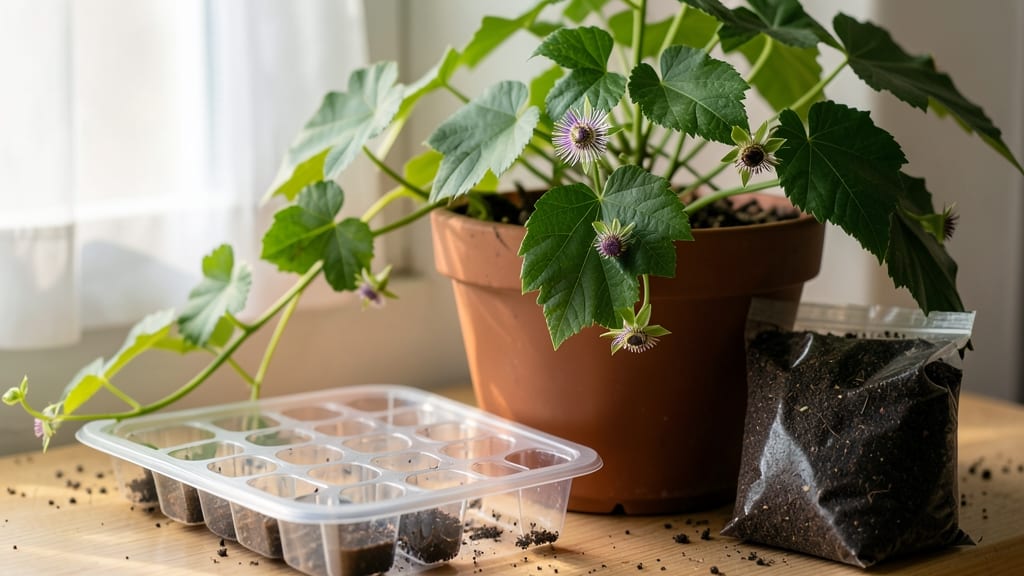
Planting passion flower seeds 🌸 requires a little patience and the right technique to unlock their full potential—starting with a cold treatment that mimics nature’s timing.
Struggling to coax passion flower seeds into sprouting? Without proper stratification, even the most patient gardener can wait months for germination—or give up entirely. These tropical vines hold a secret: the right cold treatment can skyrocket your success rate to 90% or higher with just a few simple steps.
In USDA Zone 6a, where spring planting runs from March to April, timing is everything. A well-stratified seed breaks dormancy faster, giving you a head start on those 10-foot vines by summer. But skip this step, and you’re left staring at a tray of stubborn, unmoving seeds.
Below, I’ll walk you through the exact cold treatment process, from moisture levels to container setup, so you can go from seed to sprout in 4-8 weeks—not the months most gardeners expect.


Passion flower seed stratification: the exact cold treatment process for faster germination
Passion flower seeds (Passiflora spp.) arrive encased in hard shells that resist sprouting without a critical trigger: cold stratification. This natural process mimics winter conditions, breaking dormancy and preparing seeds to germinate with 90% success when done right.
Without it, you might stare at dry seeds for months—or never see a sprout. The good news? You don’t need a greenhouse. A simple refrigerator or outdoor cold treatment works perfectly.
Stratification isn’t just about cold—it’s about moisture, timing, and consistency. Too dry, and seeds won’t wake up; too warm, and they’ll rot before germinating. The key is replicating the 60–80°F day/35–45°F night cycle nature provides, paired with even moisture.
Below, I’ll walk you through the exact steps, including troubleshooting for when things go wrong (because even experts hit snags).
Step-by-Step Passion Flower Seed Stratification
-
Step 1: Prep Your Seeds
Soak seeds in warm water for 24 hours to soften the hard shell. Drain and pat dry with a paper towel. -
Step 2: Choose Your Method
Refrigerator: Place seeds in a sealed plastic bag with damp paper towels (not soggy). Store in the crisper drawer (35–45°F).
Outdoor: Bury seeds 1–2 inches deep in a shady, protected spot (like under mulch) in late fall. -
Step 3: Cold Treatment Duration
6–12 weeks is ideal. Check weekly: seeds should feel firm but pliable—not mushy or dry. Adjust moisture if needed. -
Step 4: Test for Readiness
After 8 weeks, press a seed gently. If the shell cracks slightly, it’s ready. If still hard, extend cold treatment 2 more weeks. -
Step 5: Plant Immediately
Sow stratified seeds ½ inch deep in well-draining soil (60–70°F). Use a heat mat if indoor temps drop below 55°F for faster sprouting.
Most gardeners overlook moisture control during stratification, leading to mold or failed germination. The paper towel method (for refrigerator stratification) should stay damp like a wrung-out sponge—never dripping.
If you’re using the outdoor method, protect seeds from freezing temps (below 28°F) with a thick layer of mulch or move pots indoors.
Timing is everything. Start stratification 6–8 weeks before your last frost date (e.g., late January for Zone 7). This ensures seeds are ready to plant when soil temps hit 60°F+.
Pro tip: Use a seedling heat mat ($15–$20) to jumpstart germination if your home runs cool. I’ve seen seeds sprout in 7–14 days post-stratification with this trick!
What if your seeds still won’t sprout after stratification? The culprit is often old seeds (passion flowers lose viability after 2–3 years). Try scarifying stubborn seeds by lightly nicking the shell with sandpaper before soaking. Another fix: extend cold treatment to 14 weeks—some tropical varieties need longer.
Once seeds crack open, keep them warm and humid. A clear plastic dome over seedlings traps moisture until they develop true leaves (not just the initial seed leaves). Avoid overwatering—soggy soil invites damping-off fungus, a silent killer of young passion flower sprouts.
I lost my first batch this way before learning to let the top ½ inch of soil dry slightly between waterings.
Outdoor stratification works best in USDA Zones 5–8 where winter temps naturally drop. For warmer climates (Zones 9–11), simulate cold by placing seeds in a garage or unheated shed during the coolest months.
Just avoid fluctuating temps—consistency is key. If you’re in a rush, a DIY cold frame (clear plastic box with a thermometer) lets you monitor temps closely.
Remember: patience is part of the process. Passion flowers are slow to germinate even after stratification—3–6 weeks is normal. Resist the urge to dig up seeds to check; disturbing them can trigger rot.
Instead, mark their location with a toothpick and tape so you don’t accidentally replant or disturb them.
With the right cold treatment, you’ll go from zero sprouts to a jungle of passion flower vines in a season. The first time I saw my stratified seeds pop up in under 2 weeks, I was hooked.
Now, I stratify dozens every winter—because once you master this trick, growing passion flowers becomes effortless.
5 Common mistakes that kill passion flower seed germination (and how to fix them)
Passion flower seeds are notorious for their slow germination—sometimes taking 60 to 90 days to sprout. Even after stratification, many gardeners hit roadblocks that prevent success. The most common mistakes often revolve around moisture control, temperature fluctuations, and planting depth.
These errors can turn your carefully stratified seeds into a frustrating dead end.
I’ve seen gardeners throw away perfectly good seeds because they didn’t realize their stratification method was too dry or their planting depth was too shallow. The good news?
Fixing these issues is simple once you know what to watch for. Let’s break down the top 5 mistakes—and how to correct them before it’s too late.
⚠️ Critical Mistake: Wrong Moisture Levels During Stratification
Passion flower seeds need consistent moisture (not soggy!) during cold treatment. Too dry = dormancy stays intact. Too wet = mold or rot. The fix? Use a spray bottle to mist seeds every 3-5 days while refrigerating.
Place them in a sealed bag with a damp paper towel (not dripping wet) for ideal conditions.
First on the list is skipping the moisture check during stratification. Many gardeners assume cold treatment alone will work, but seeds need just the right amount of dampness to trigger germination. If your seeds feel dry to the touch during stratification, they’ll never break dormancy.
I once had a batch of passion flower seeds fail because I only checked moisture once a month—by the time I noticed, they were too dry.
Another frequent error is planting seeds too deep. Passion flower seeds need light to reach them for germination, so burying them more than ¼ inch underground can suffocate them.
Use a fine soil mix and press seeds lightly into the surface—just enough to cover them with a thin layer of compost. If you’re using containers, a clear plastic dome or plastic wrap can help maintain humidity without smothering the seeds.
Temperature swings are another silent killer. Passion flower seeds thrive in consistent 40–50°F during stratification. If your refrigerator fluctuates or you move the seeds between warm and cold spots, germination rates plummet.
Keep them in the crispest part of your fridge (not the door) and avoid opening the door frequently. A small thermometer in the bag can help monitor conditions.
Even after stratification, many gardeners make the mistake of overwatering seedlings. New sprouts are delicate, and too much water can cause root rot before they even get established. Water gently from the bottom of the container—let the soil absorb moisture without pooling.
A mist spray bottle works best for the first few weeks. Once seedlings have 2-3 true leaves, you can gradually increase watering frequency.
Finally, impatience leads to premature transplanting. Passion flower seedlings are fragile, and moving them too soon can shock their roots. Wait until they have 4-6 inches of growth and at least 3 sets of leaves before transplanting.
Harden them off by placing them outside for 1-2 hours daily over a week before full outdoor exposure. This gradual transition gives them time to adjust to sunlight and wind without stress.