
How To
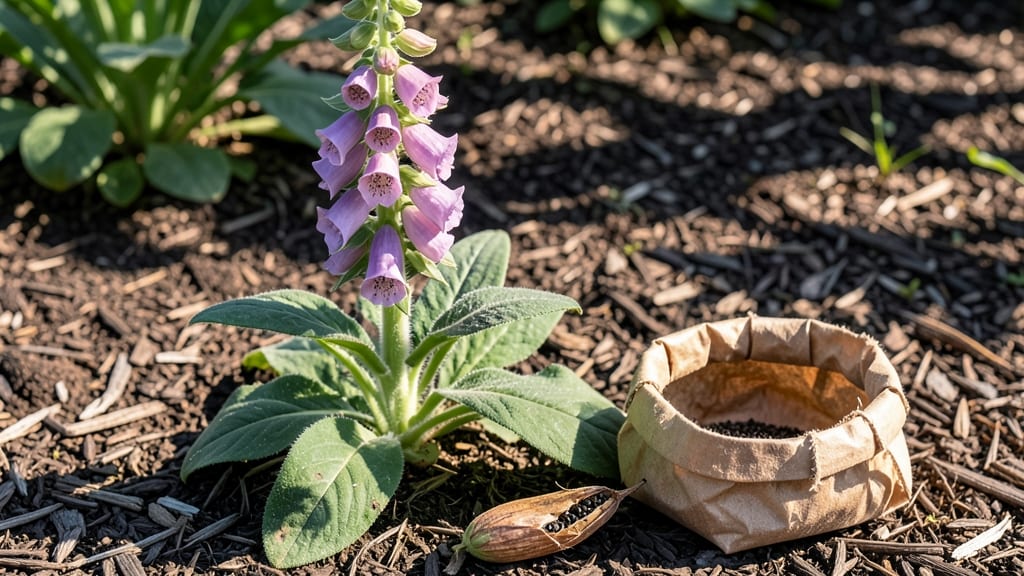
Harvesting foxglove seeds 🌸 is all about patience and precision—waiting for the perfect moment when those brown pods split open on their own.
Picture this: you’ve spent a season admiring your towering 🌸 foxglove blooms, but now the real work begins. Harvest too early, and you’ll end up with shriveled seeds that won’t sprout. Too late, and they’ll scatter across the garden before you can collect them.
Getting the timing right is the difference between a thriving batch of next year’s plants and a frustrating waste of effort.
This guide breaks down exactly when to harvest—late summer through early fall, when pods turn crispy brown—and how to handle them safely (because every part of foxglove is toxic).
You’ll learn the best drying techniques, storage tricks to keep seeds viable for months, and how to avoid common pitfalls that turn your harvest into dust.
By the end, you’ll know exactly how to turn those dry, split-open pods into a trove of seeds ready to grow into next spring’s showstopping blooms.

When to harvest foxglove seeds: best timing for peak viability
Foxglove (Digitalis) seeds reach their peak viability during a narrow window after flowering, typically in late summer to early fall (August-September in most USDA zones).
Missing this timing means lower germination rates or seeds that won’t store well. The key is watching for mature seed pods—not the flowers themselves.
After foxglove blooms fade, the seed pods develop through distinct stages: green and firm, then brown and papery. Harvesting too early (when pods are still green) yields underdeveloped seeds that won’t germinate. Waiting too long risks seed dispersal by wind or rain, leaving you with nothing to collect.
Climate plays a role too. In cooler northern regions, pods mature slower, extending the harvest window into October. Meanwhile, in warmer southern climates, pods may dry out faster, requiring earlier collection in late August. Always prioritize dry, overcast days for harvesting to prevent moisture-related spoilage.
Here’s how to spot ready-to-harvest pods:
- Color shift: Pods turn from green to deep brown
- Texture change: Dry, papery, and brittle to touch
- Natural splitting: Pods begin cracking open on their own
- Seed visibility: Dark, plump seeds inside
Pro tip: Harvest in the morning when pods are dryest. Use clean, sharp scissors to snip pods at the stem—never pull them, which can damage the plant.
Place pods in a paper bag (not plastic) to allow airflow while you finish collecting. This prevents condensation buildup, a common cause of mold.
If you’re in a humid climate, accelerate drying by bringing pods indoors to a dry, shaded spot (like a garage or shed). Avoid direct sunlight, which can overheat seeds and reduce viability. Aim for 1-2 weeks of drying time before processing seeds further.
Foxglove seeds are heavy and plump when ready—think of them like tiny, dark beans. If seeds feel light or shriveled, they’re past their prime. Always test a few seeds by planting them in a small pot to confirm germination before storing the rest for next season.
Remember: Foxglove is toxic—all parts of the plant, including seeds. Wear gloves when handling, and wash hands thoroughly afterward. Keep seeds away from children and pets at all times.
Timing your harvest correctly ensures you’ll have healthy, viable seeds ready for next spring’s garden. With patience and attention to detail, you’ll enjoy self-sown foxglove blooms for years to come! 🌾
Step-by-step guide to collecting and drying foxglove seeds
Foxglove seeds are a gardener’s treasure, but collecting them requires patience and precision. The right timing and careful handling ensure viable seeds for next year’s garden. Since foxglove is toxic, always wear gloves and avoid skin contact.
Start by identifying mature seed pods—they’ll turn from green to brown and papery when ready.
Once you’ve spotted the ready pods, decide whether to harvest by hand or use breathable bags. Hand-picking works for small batches, while bagging larger clusters prevents seeds from scattering.
After harvesting, drying is critical to prevent mold and ensure long-term storage. Follow these steps to master the process.
How to Harvest Foxglove Seeds
-
Step 1: Select Mature Pods
Wait until seed pods are fully brown and dry. Gently squeeze a pod—if it cracks open easily, it’s ready. -
Step 2: Harvest with Care
Use clean scissors to snip pods at the stem. For clusters, place a breathable bag (like paper bags) over them to catch seeds as they fall. -
Step 3: Dry the Pods
Lay pods on a paper towel in a well-ventilated area for 1-2 weeks. Avoid direct sunlight to prevent overheating. -
Step 4: Extract Seeds
Once pods are completely dry, crush them gently to release seeds. Sift through debris to isolate clean seeds. -
Step 5: Store Properly
Place seeds in a paper envelope or airtight container with a desiccant packet. Label with the harvest date and store in a cool, dark place.
Drying foxglove seeds too quickly can reduce viability, while high humidity risks mold. Aim for a consistent temperature of 60-70°F during drying. If storing, check seeds every few months for signs of spoilage, like discoloration or musty smells.
Once dried and stored, foxglove seeds can remain viable for 2-3 years if kept dry. For best results, sow fresh seeds in fall or early spring, as they require cold stratification to germinate. Plant them 1/4 inch deep in well-draining soil for optimal growth.
Remember, foxglove seeds are toxic—keep them away from children and pets. With the right technique, you’ll enjoy self-sown foxgloves for years to come! 🌸