
Lawn
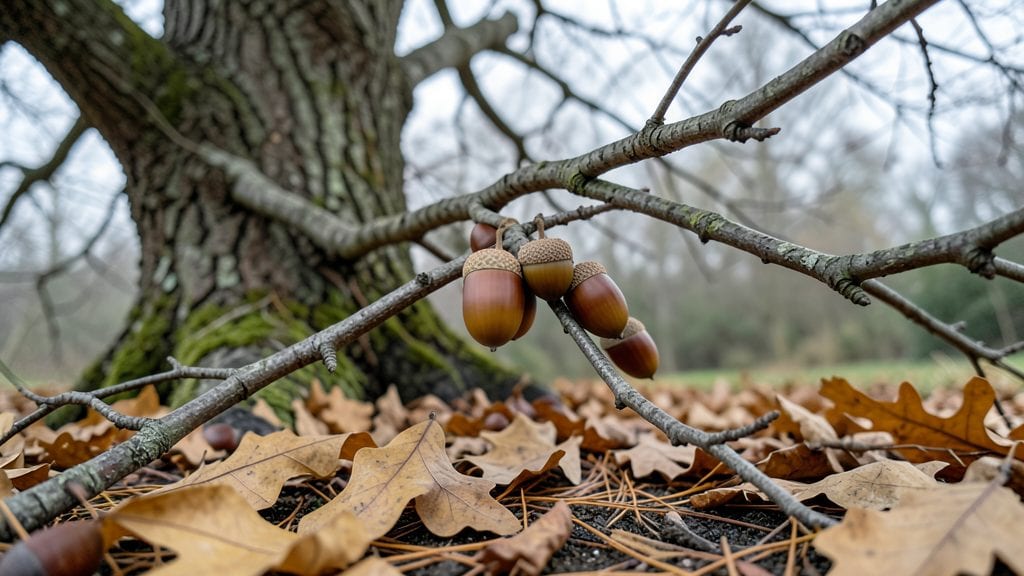
Removing oak seed pods safely means using gloves to collect fallen acorns, pruning with sterilized shears during dormancy, or applying cayenne pepper spray to deter wildlife without damaging the tree.
Oak seed pods can become a nuisance when they accumulate in large numbers, creating slip hazards and attracting pests like squirrels and raccoons. 🌳 The key to safe removal is timing—late fall or early winter is ideal because the tree is dormant, reducing stress.
Natural deterrents like cayenne pepper spray work by creating an unpleasant scent for wildlife, while manual collection helps prevent soil depletion from excessive acorn litter.
If you're dealing with a heavy infestation, consider using a rake or leaf blower to gather pods before they decompose and release nutrients that encourage more growth. Always wear gloves to avoid skin irritation from tannins, and dispose of collected pods in compost or trash to prevent regrowth.
The goal is to maintain balance—removing enough to protect your property while letting the tree retain some pods for natural propagation.
💡 In This Article
- When and Why Oak Seed Pod Removal Matters
- Safe Oak Seed Pod Removal Techniques for Homeowners
When and why oak seed pod removal matters
Oak trees produce acorns as part of their natural reproductive cycle, but when seed pods accumulate excessively, they create ecological imbalances. A single mature oak can drop up to 50 pounds of acorns annually, and this overabundance depletes soil nutrients faster than they can replenish.
The high tannin content in acorns breaks down into compounds that acidify the soil over time, reducing microbial activity and plant diversity beneath the tree.
The timing of removal is critical because oak trees are most vulnerable during their growing season. Removing pods in late fall or early winter—when the tree is dormant—minimizes stress, as the tree isn't actively photosynthesizing.
However, removing pods in spring or summer can disrupt the tree's nutrient reserves, weakening its ability to support new growth. The key is to strike a balance: remove enough to prevent overaccumulation but leave some for natural propagation.
Excessive acorn production also attracts pests like squirrels, raccoons, and deer, which can damage lawns and gardens while competing with native wildlife for resources. These animals often dig up lawns to bury acorns, creating unsightly holes and disrupting root systems.
Additionally, decomposing acorns release methane—a potent greenhouse gas—as microbes break down the tannins, contributing to localized air pollution.
For homeowners, the visual impact is another factor. Thick layers of seed pods can create slip hazards, especially on wet surfaces, and their leathery texture makes them difficult to rake or mow.
The pods also harbor fungi and bacteria that thrive in their damp, decaying state, potentially spreading to surrounding plants. This is why many arborists recommend regular removal during peak drop seasons (September through November for most oak species).
What most people don't realize is that oak trees themselves benefit from controlled pod removal. When left unchecked, overproduction diverts energy from root growth and leaf development, making the tree more susceptible to disease and environmental stress.
A healthy oak allocates about 30-40% of its energy to reproduction—removing excess pods allows the tree to redirect that energy toward stronger branches and deeper roots, improving its long-term resilience.
Consider this: a study by the USDA Forest Service found that oak trees in urban areas with minimal pod removal showed 20% slower growth rates compared to those with balanced pod management. The lesson? Strategic removal isn't just about aesthetics—it's about preserving the tree's health and the ecosystem it supports.