
Picking
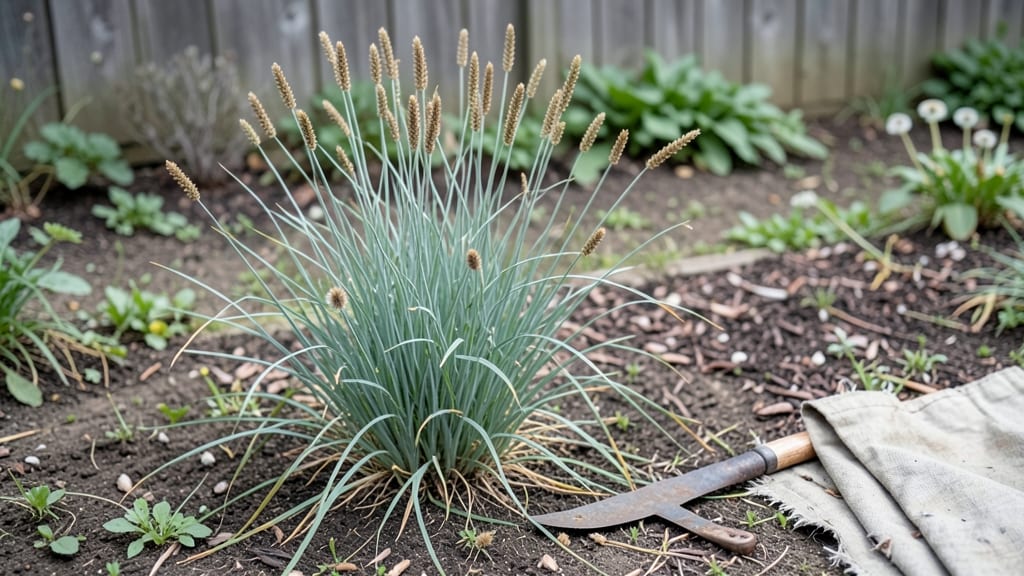
Harvesting grass seed at the perfect moment means the difference between a bountiful bag and a handful of duds. I learned this the hard way after waiting too long on my first batch of Kentucky bluegrass—only to find the seedheads crumbling in my hands.
The timing is everything, and once you nail it, you'll have seeds that sprout reliably for years.
You'll need basic tools: sharp pruning shears or a scythe for cutting, a tarp or large sheet to collect the seed, and a dry, well-ventilated space for curing. For lawn grasses like fescue or ryegrass, aim for mid-to-late summer when the seedheads turn golden-brown and begin to split open naturally.
Ornamental grasses like switchgrass or miscanthus take longer—wait until the seed fluffs up like dandelion seeds before harvesting.
The payoff is worth the patience: fresh, viable seed that germinates at 90%+ rates and grows into lush grass or dramatic ornamental clumps. You'll recognize perfect ripeness when the seedheads release easily at the slightest touch—like tiny parachutes ready to float away.
Store the dried seed in paper bags in a cool, dark place, and it'll stay good for 2-3 years.
Rain or wind can ruin a harvest faster than you think, so keep an eye on the forecast. If storms roll in, cut the seed early and dry it indoors with a fan.
The first year might take a few tries, but once you master the rhythm of the season, you'll never buy seed again—just save your own from the garden.
📚 In This Guide
- What you need
- Instructions
- Tips and common mistakes
- Wrapping up and next steps
What you need
- ● Grass seed harvesting tool: Hand sickle (for small patches) OR
- ● Commercial grass seed stripper (for larger fields, ~$150–$500)
- ● Gloves: Heavy-duty work gloves (2–3 pairs) to protect your hands from thorns and sharp blades.
- ● Buckets or baskets: 5–10 gallon capacity (5–10 units) for collecting seed heads.
- ● Pruners or shears: Sharp bypass pruners (2–3 pairs) for trimming seed stalks cleanly.
- ● Tarp or drop cloth: 10’x10’ or larger to lay under plants and catch falling seeds.
- ○ Scissors or clippers: Long-handled hedge clippers (optional but helpful for tall grass).
- ● Seed cleaning kit: Mesh screens (1/8”–1/4” mesh) or a small seed cleaner (~$30–$100) to remove chaff.
- ● Ladder or step stool: For reaching tall grass (4–6 ft height).
- ● Labeling tags: Waterproof labels to mark seed varieties if saving for later planting.
- ● Drying rack or mesh bags: For air-drying seeds before storage (hanging or flat-surface options).
- ● Safety gear: Long sleeves/pants, closed-toe shoes, and sunglasses to shield from sun and debris.
Instructions for harvesting grass seed at peak ripeness
Timing and technique make all the difference—here’s how to harvest grass seed when it’s ready.
Identify When Grass Seed Is Fully Mature
Look for seed heads that have turned a golden brown color and feel dry to the touch. When you gently rub the seed head between your fingers, the seeds should come off easily—this is your signal that they’re ready. If the seed heads are still green or the seeds stick stubbornly to the stems, wait a few more days. Harvesting too early means immature seeds that won’t germinate well, while waiting too long risks losing seed to birds or weather.
Check the seed heads daily during the last week of their ripening period. Mornings are ideal because dew makes the seed heads heavier, making them easier to collect. If you see seed heads starting to shatter or seeds falling to the ground, that’s your cue to act fast—ripe grass seed won’t last long once it hits the soil.
Gather Your Harvesting Tools
You’ll need a few simple tools to make the process efficient. A pair of sharp pruning shears or scissors works best for cutting seed heads cleanly from the stems. If you’re dealing with a large patch, a small hand sickle or even a sharp knife will help speed things up. Don’t forget a bucket or large bag to collect the seed heads—something sturdy enough to hold at least 4 pounds of seed without tearing.
Wear gloves to protect your hands from prickly stems and to keep the seed clean. A drop cloth or tarp laid beneath the plants will catch any seeds that fall during harvesting, saving you from bending over to pick them up later. If you’re working in a windy area, consider setting up a temporary barrier like a fence or stakes with netting to prevent seeds from blowing away.
Cut and Collect Seed Heads
Use your pruning shears to snip the seed heads just above the first set of leaves or where the stem begins to thicken. This ensures you’re getting the whole seed head without leaving too much stem behind. Work systematically, moving row by row or section by section, so you don’t miss any ripe seed heads. Place the cut seed heads directly into your bucket or bag—don’t let them sit on the ground, as moisture or debris can reduce their quality.
If you’re harvesting a small area, you can also pull the entire plant by the base and shake the seed heads into your container. For larger patches, consider using a lawn mower set to a high setting to cut the seed heads and then sweep them up with a leaf rake or broom. Just be careful not to crush the seeds—this can damage their viability. Once you’ve collected all the seed heads, take them to a dry, shaded area to finish drying before processing.
Dry and Clean the Harvested Seed
Spread the seed heads out on a clean, dry surface like a tarp or screen in a well-ventilated area. Avoid direct sunlight, which can cause the seeds to overheat and lose viability. Stir or gently shake the seed heads every few hours to ensure even drying. You’ll know they’re ready when the seed heads crumble easily in your hands and the seeds inside feel dry and hard to the touch—this usually takes about 3-5 days, depending on humidity levels.
Once dry, separate the seeds from the chaff by rubbing the seed heads between your hands or using a seed thresher if you have one. A fine-mesh screen or even an old pillowcase will work for sifting out the lighter debris. Discard any seeds that appear shriveled, discolored, or damaged. Store the cleaned seeds in a paper bag or breathable container in a cool, dry place. Properly stored, grass seed can remain viable for 1-2 years, making this the perfect time to label your containers with the variety and harvest date.
Tips & tricks for perfect grass seed harvesting
Mastering the art of harvesting grass seed at peak ripeness takes a little know-how—here are the game-changing tips that’ll help you avoid common pitfalls and maximize your yield.
Timing Secret: The last week of the ripening period is your golden window. I can’t stress enough how important it is to check seed heads daily during this time. Mornings are absolutely ideal because the dew makes the seed heads heavier and easier to handle. If you see seeds starting to shatter or fall to the ground, that’s your signal to act fast—ripe grass seed won’t wait around once it hits the soil.
Tool Strategy: For a large patch, a small hand sickle can be a lifesaver, but make sure it’s sharp to avoid crushing seeds. I’ve found that a drop cloth or tarp laid beneath the plants saves me hours of bending over later. It’s worth the extra setup time to prevent losing seeds to the ground. If you’re working in windy conditions, setting up a temporary barrier with stakes and netting can prevent seeds from blowing away entirely.
Drying Wisdom: When spreading seed heads to dry, avoid direct sunlight at all costs—it can overheat the seeds and reduce their viability. I like to use a well-ventilated area with indirect light and stir the seed heads every few hours to ensure even drying. The goal is for the seed heads to crumble easily in your hands, which usually takes about 3-5 days depending on humidity levels. Don’t rush this step—proper drying is what separates good seed from great seed.
Storage Tip: Once cleaned, store your grass seed in a paper bag or breathable container in a cool, dry place. Labeling containers with the variety and harvest date is a must—it’ll save you headaches later when you’re ready to use the seed. Properly stored, grass seed can remain viable for up to 2 years, so take the time to organize your harvest right away.
Pro Tips for Harvesting Grass Seed
- Mastering the art of harvesting grass seed at peak ripeness takes a little know-how—here are the game-changing tips that’ll help you avoid common pitfalls and maximize your yield.
- Timing Secret: The last week of the ripening period is your golden window.
- Tool Strategy: For a large patch, a small hand sickle can be a lifesaver, but make sure it’s sharp to avoid crushing seeds.
Frequently asked questions
Got questions about harvesting grass seed? You’re not alone—timing, tools, and techniques can make or break your yield. Here are answers to the most common queries to help you harvest like a pro!
When is the best time to harvest grass seed?
The ideal time to harvest grass seed is when 50-70% of the seed heads have turned golden-brown and the seed readily detaches when gently rubbed between fingers. For most cool-season grasses (like Kentucky bluegrass or fescue), this typically occurs in late summer to early fall. Warm-season grasses (like Bermuda or zoysia) should be harvested in late summer to early autumn when seeds are fully mature but before they shatter.
How do I know if my grass seed is overripe?
Overripe grass seed is a common issue—if you wait too long, seeds will scatter naturally or turn brittle. Watch for these signs:
- Seed heads turning straw-colored or gray (a sign of dried-out seeds).
- Seeds falling off at the slightest touch (they’re already dispersing).
- Seed pods splitting open (indicating they’ve released their contents).
What’s the easiest way to harvest grass seed without a machine?
If you’re harvesting by hand, use these low-tech but effective methods:
- Scythe or sickle: Cut seed heads close to the ground, then bundle them for drying.
- Seed stripper: A DIY tool (like a bent wire or commercial stripper) to gently pull seeds from heads.
- Tarp or sheet method: Shake seed heads over a tarp to catch falling seeds, then collect.
How should I dry and store harvested grass seed?
Proper drying and storage preserve seed viability. After harvesting:
- Dry in a well-ventilated area (like a barn or garage) for 1-2 weeks, stirring occasionally.
- Aim for 10-12% moisture content (use a moisture meter if possible).
- Store in airtight containers (like glass jars or Mylar bags) in a cool, dark place (below 40°F if possible).
- Label with the date—most grass seeds stay viable for 1-2 years if stored correctly.
What should I do if my grass seed is getting eaten by pests?
Pests like birds, rodents, or insects can devastate your harvest. Try these solutions:
- Harvest early in the morning when birds are less active.
- Use bird netting over seed heads if pests are a recurring issue.
- Avoid harvesting damp seed—moisture attracts rodents and mold.
- Store seeds in sealed containers with food-grade diatomaceous earth to deter insects.
Wrapping up and next steps
Harvesting grass seed at the right time ensures a bountiful yield and healthier lawns or pastures.
By mastering the signs of peak ripeness—like seedheads turning golden and seeds easily releasing from stems—you’ll set yourself up for success. Now’s your moment to shine! Grab your tools, head outdoors, and start reaping the rewards of your hard work. Ready to transform your space?
Try harvesting a small patch first, then scale up as you gain confidence! 🌱✨