
Featured
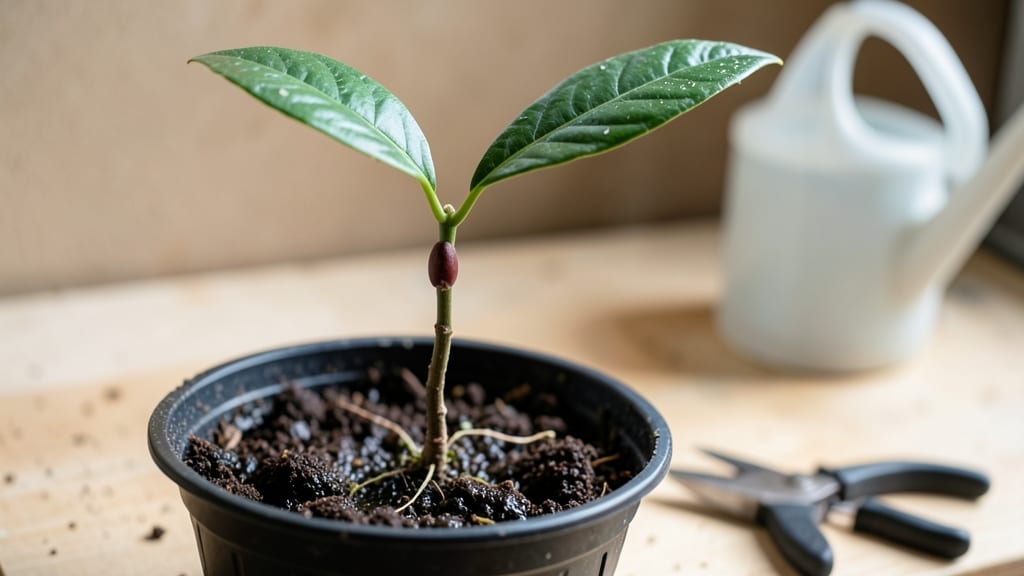
Growing an avocado plant from a seed—especially from a red avocado variety—can yield surprisingly fast results if you follow the right steps. I’ve sprouted seeds that showed roots within just two weeks, and with proper care, they’re ready for transplanting in under three months.
The key isn’t just patience; it’s knowing which seeds to pick and how to coax them awake.
Not all avocado seeds germinate equally, and color can hint at vigor—dark, rich brown seeds often sprout faster than pale ones. The toothpick method (inserting three toothpicks around the seed) keeps it stable in water, letting roots form without rot.
My first attempt failed when I skipped this step, but once I adjusted, the roots grew like clockwork. You’ll need warm water, indirect light, and a little luck, but the process is simpler than it seems.
Once roots hit 3-4 inches, it’s time to move your seedling to soil. A mix of potting soil and perlite keeps roots aerated, and a sunny windowsill or grow light ensures steady growth.
Within 6-8 weeks, you’ll see the first true leaves—proof your plant is thriving. The best part? Red avocado varieties often produce fruit faster than their green counterparts, though it’ll take years for blooms.
This method works for any avocado pit, but red-skinned varieties like Hass tend to grow slightly faster. Whether you’re growing for the novelty or future fruit, the speed comes from consistency—not magic. Let’s get those seeds sprouting!
Understanding Seed Discoloration Triggers
When your avocado seed turns a striking reddish hue during germination, it’s not just a visual quirk—it’s a biological response to specific conditions. These changes are rooted in natural processes, environmental factors, and even the seed’s internal chemistry.
Below, we break down the key reasons why this happens, so you can troubleshoot or even encourage the effect if desired.
The most common cause of a reddish avocado seed is a buildup of anthocyanins, pigments that also give red cabbage or beets their color. These compounds form in response to:
- Oxidation: When the seed is exposed to air (especially after cutting or during germination), enzymes like polyphenol oxidase (PPO) react with phenolic compounds, triggering a reddish-brown discoloration. This is similar to how an apple turns brown when sliced.
- pH Shifts: A slightly acidic environment (pH < 6) accelerates anthocyanin production. If your germination water or soil is acidic, the seed’s outer layers may develop a deeper red tint.
- Light Exposure: UV light can stimulate pigment production. If your seed is sitting near a window or under grow lights, the reddening may intensify over time.
Actionable Tip: If you’re concerned about discoloration, rinse the seed with neutral pH water (pH 7) or store it in a sealed container with a damp paper towel to slow oxidation.
A reddish or pinkish seed can also signal microbial growth on the surface. While not always harmful, this can indicate:
- Mold or Yeast: Fungi like Aspergillus or Penicillium may colonize the seed, especially in warm, humid conditions. Some strains produce red or pink spores.
- Bacterial Blooms: Bacteria such as Serratia marcescens (known for its red pigment) can thrive in moist environments, giving the seed a streaky or patchy red appearance.
How to Check: If the redness is uneven or accompanied by a musty smell, gently scrape the surface with a sterile tool. If the underlying tissue is firm and white, it’s likely just pigment. If it’s soft or discolored, discard the seed to prevent contamination.
Extreme or fluctuating conditions can trigger stress responses in the seed, including:
- Heat Shock: Temperatures above 85°F (29°C) can denature enzymes and cause the seed to produce protective pigments, including anthocyanins. This is why seeds left in direct sunlight may develop a reddish tint.
- Overwatering: Excess moisture (especially in stagnant water) can lead to anaerobic conditions, where the seed’s cells produce ethanol and other byproducts that react with pigments.
- Drought Stress: Conversely, if the seed dries out too quickly, it may enter a survival mode, producing pigments as a form of photo-protective response.
Ideal Germination Conditions:
Factor
Optimal Range
Temperature
70–80°F (21–27°C)
Humidity
70–80%
Moisture
Consistently damp (not soggy)
Pro Tip: Use a seedling heat mat (set to 75°F) for consistent warmth and avoid plastic bags that trap too much moisture.
Not all avocado seeds turn red—it depends on the cultivar (variety). Some heirloom or tropical avocado types (like Hass or Fuerte) are more prone to pigment changes due to:
- Higher Phenolic Content: Certain seeds naturally contain more polyphenols, which oxidize into red hues when exposed to air or light.
- Hybrid Traits: Seeds from grafted trees (common in commercial avocados) may inherit pigmentation traits from parent plants.
What This Means: If you’re growing from a store-bought seed, the red color is likely genetic and harmless. For consistent results, source seeds from a reputable nursery if you’re aiming for specific traits.
Sometimes, the "red" isn’t from the seed at all! External factors can mimic or enhance discoloration:
- Food Dyes or Juices: If the seed was rinsed in colored water (e.g., beet juice or red wine) or stored near spicy foods, pigments may adhere to the surface.
- Soil or Fertilizer Residue: Iron-rich fertilizers or red clay soil can stain the seed’s outer layer, especially if it’s not rinsed thoroughly.
- Dyes from Toothpicks or Tools: Wooden toothpicks or non-sterile knives can transfer stains if they’ve been used with colored substances.
Quick Fix: Soak the seed in vinegar and water (1:3 ratio) for 10 minutes to dissolve mineral stains, then rinse with distilled water.
Quick Fixes for Red Avocado Seeds
If your avocado seed is turning red during germination, don’t panic—this is often a sign of stress, but it’s fixable! Below are practical, step-by-step solutions tailored to the most common causes, along with prevention tips to keep your seed healthy and thriving.
Whether it’s dehydration, root rot, or environmental factors, we’ve got you covered.
Signs: Reddish-brown discoloration, shriveled edges, or a dull appearance.
How to Fix It: 🔥 Rehydrate the Seed
- Place the seed in a shallow bowl of room-temperature water (1–2 inches deep) for 12–24 hours. The water should cover about half the seed—not fully submerged.
- Change the water every 6–8 hours to prevent bacterial growth.
🍳 Create a Humidity Chamber
- Once rehydrated, wrap the seed in a damp paper towel (not soaking wet) and place it in a ziplock bag with small air holes.
- Store it in a warm, dark place (like a pantry) for 3–5 days to encourage root growth without stress.
👨🍳 Repot in Moist Medium
- After roots sprout (about 1–3 weeks), transfer the seed to a small pot with well-draining soil (a mix of potting soil and perlite works well).
- Keep the soil consistently moist (not soggy) and place the pot in indirect sunlight.
💡 Prevention Tip:
- Mist the seed daily if it’s in a towel or soil to maintain moisture without drowning it.
- Use a clear plastic dome (like a propagator) to trap humidity if your home is dry.
Signs: Reddish-black mushy spots, foul odor, or slow/no root growth.
How to Fix It: 🔪 Assess the Damage
- Gently remove the seed from water or soil and rinsethe roots with clean water.
- If the seed feels soft or smells bad, trim any blackened or mushy parts with sterilized scissors.
⏰ Air-Dry & Reset
- Let the seed air-dry for 24 hours in a well-ventilated area (no direct sun).
- After drying, rewrap it in a fresh, damp paper towel and place it back in the humidity chamber.
🌡️ Repot in Fresh, Dry Medium
- Use a light, fast-draining mix (coco coir + perlite + vermiculite).
- Water sparingly—only when the top 1 inch of soil feels dry.
- Elevate the pot to prevent water pooling at the bottom.
🎯 Prevention Tip:
- Never let the seed sit in stagnant water—drain excess water after 24 hours.
- Use a pot with drainage holes to avoid soggy conditions.
Signs: Reddish-purple tint, stunted growth, or wilting despite moisture.
How to Fix It: 🌿 Optimize Light Exposure
- Move the seed to a bright, indirect light source (east-facing window or grow lights 12 inches away).
- Avoid direct sunlight, which can scorch the seed.
🔥 Warmth Boost
- Place the seed in a warm spot (70–85°F is ideal). A seedling heat mat or warm water bottle wrapped in a towel works in a pinch.
- If using a humidity dome, remove it daily for 10 minutes to prevent mold.
✨ Prevention Tip:
- Monitor temperature swings—avocado seeds prefer consistency.
- If your home is cold, use a small space heater near the seed (safely distanced).
Signs: Pale red hues, weak sprouts, or stunted development.
How to Fix It: 🥗 Fertilize Gently
- Wait until true leaves appear (not just the first sprout).
- Use a diluted seaweed fertilizer (1:10 ratio) or fish emulsion every 4–6 weeks.
- Avoid chemical fertilizers—they can burn young roots.
🍎 Soil Amendment
- Mix in worm castings or compost for natural nutrients.
- If repotting, choose a light, airy potting mix designed for citrus or tropical plants.
💡 Prevention Tip:
- Test soil pH (avocados prefer 6.0–7.0). Use lime to raise pH if needed.
- Rotate the pot weekly to ensure even light exposure.
- Don’t overwater—avocado seeds hate soggy conditions.
- Avoid plastic containers without drainage—they trap moisture and cause rot.
- Don’t rush the process—patience is key for strong roots!
By following these steps, your red avocado seed should bounce back—and with the right care, you’ll be on your way to a healthy, thriving avocado plant in no time! 🌱💚
Frequently asked questions
Why does my avocado seed turn red during germination?
The reddish tint comes from anthocyanins, natural pigments that form when the seed reacts to air, light, or acidic conditions. It’s harmless—like how apples brown when sliced—but can signal stress if combined with mold or foul smells.
Does a red avocado seed grow differently than a brown one?
Not significantly! The color change doesn’t affect growth speed or fruit quality. However, seeds from red-skinned varieties (like Hass) may inherit slightly faster germination due to higher phenolic content. Focus on root health—not color—for successful sprouting.
Can I still use a red-stained seed for planting?
Yes, as long as the seed itself is firm and free of mold. The red tint is usually surface-level. Rinse it with neutral pH water if stained by dyes or soil, then proceed with the toothpick method. Avoid seeds with mushy spots or bad odors.
How long until roots appear on a red avocado seed?
Most seeds show roots in 2–4 weeks when kept in 70–80°F water with indirect light. Red-stained seeds follow the same timeline—color doesn’t speed up or slow down germination. Change water every 2–3 days to prevent bacteria.
Will my avocado plant produce red fruit if the seed turns red?
Not necessarily! Fruit color depends on the parent tree’s genetics. Seeds from store-bought avocados (often green-skinned) rarely produce red fruit. For red-skinned varieties, source seeds from Hass or Fuerte trees or buy grafts from nurseries.