
Vegetables
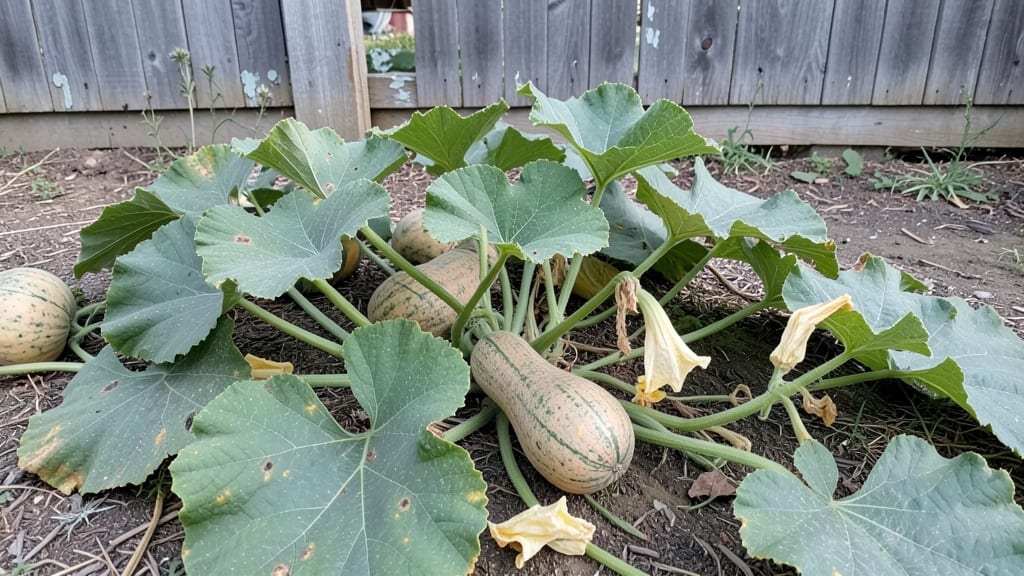
These seeds develop from the squash's pollinated flowers, growing inside the fruit as the plant matures. 🌱 While smaller than pumpkin seeds, they pack similar nutritional benefits—just in a more delicate form. Many chefs use them as a garnish or snack, though they require careful cleaning before eating.
The key difference? Butternut seeds stay tender even when dried, making them perfect for light seasoning or blending into seed butters.
What's interesting is how their texture changes with preparation. Raw, they're almost mealy, but a quick roast brings out their natural oils and crunch. 💛 I've experimented with tossing them in olive oil and smoked paprika for a savory snack that rivals pumpkin seeds.
The real advantage? Their mild flavor lets them shine in both sweet and savory dishes without overpowering other ingredients.
💡 In This Article
- Butternut Squash Seed Anatomy and Growth Process
- Harvesting, Cleaning, and Cooking Butternut Squash Seeds
Butternut squash seed anatomy and growth process
The seeds inside a butternut squash begin their journey through a fascinating botanical process. After pollination—where bees or other insects transfer pollen from male flowers to female flowers—the fertilized ovary starts developing into the fruit.
Inside this growing squash, tiny ovules transform into seeds, typically numbering between 200-400 per squash, clustered in a fibrous, stringy center. This contrasts sharply with larger squash varieties like pumpkins, which can produce 500-1,000 seeds each.
Here's what makes butternut seeds unique: they develop in a dense, gelatinous matrix that softens as the fruit matures.
Unlike pumpkin seeds, which harden into crisp shells, butternut seeds remain tender and slightly mealy even when fully grown. 🌱 Scientifically, this occurs because butternut squash has thinner seed coats and higher moisture retention during development.
The seeds themselves measure about 0.2-0.3 inches long—roughly half the size of pumpkin seeds—with a pale cream color and delicate, almost translucent texture when raw.
These seeds play a critical role in the plant's life cycle. Each seed contains an embryo that can germinate into a new plant, with the outer seed coat protecting it from physical damage and pathogens.
The fibrous strands connecting seeds act as a natural support system, preventing them from floating away in water—a clever adaptation for species that often grow near water sources.
When harvested, these seeds can be dried and stored for up to 6 months while maintaining viability, though their edibility is what makes them special in the kitchen.
What most people don't realize is how the squash's growth environment affects seed development. Butternut squash plants require 90-120 days of warm weather (above 60°F) to fully mature their seeds.
During this time, the seeds gradually accumulate nutrients like magnesium and zinc from the plant's vascular system, which is why they're nutritionally dense despite their small size. 💛 The seed's position near the fruit's center also means they're shielded from direct sunlight, preventing premature drying—a key reason they stay softer than their pumpkin counterparts.
Comparing butternut seeds to other winter squash reveals interesting patterns. Acorn squash seeds, for example, are similarly small but harder, while hubbard squash seeds are larger but flatter. Butternut seeds stand out for their consistent round shape and uniform size distribution.
This uniformity makes them ideal for culinary uses where presentation matters, such as garnishing soups or blending into seed butters. Their growth process also explains why they're rarely found in commercial seed packets—they're more commonly enjoyed as a byproduct of eating the fruit itself.
The seed's role in reproduction extends beyond germination. When consumed, these seeds can pass through the digestive system intact, potentially aiding in natural plant propagation if deposited in suitable soil conditions—a phenomenon known as endozoochory.
This dual-purpose nature—both as a food source and a reproductive agent—highlights the intricate balance in nature's design. 🌟