
Flowers
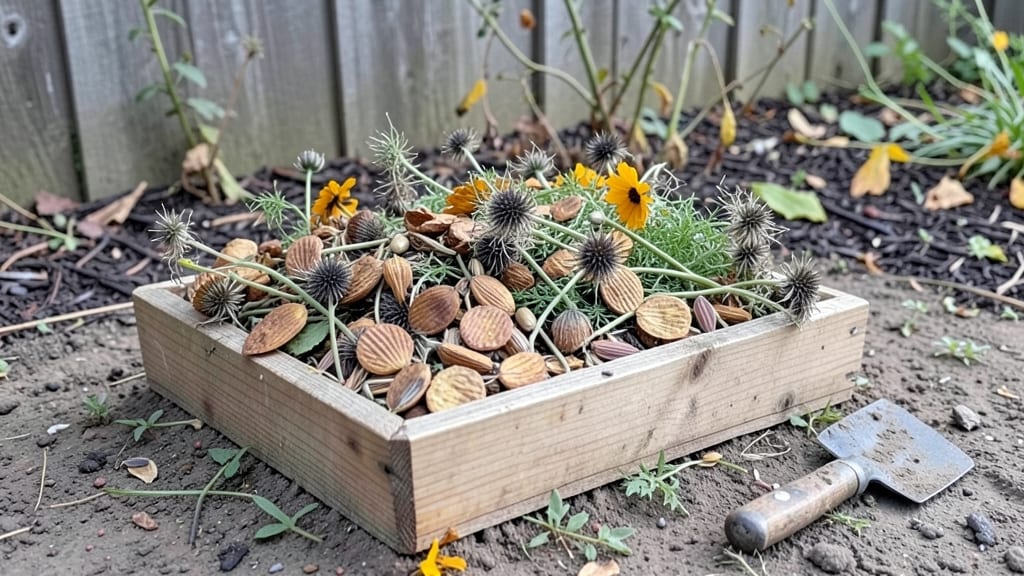
Wildflower seeds vary widely in size and coating thickness, which affects how they interact with soil. 🌱 Some native varieties have tough outer shells that need light exposure to germinate, while commercial mixes often include pre-treated seeds that benefit from gentle burial.
The key is matching your seed type to the right planting method—whether that means a simple broadcast scatter or a more deliberate approach with a rake or roller.
For best results, aim for a planting depth of just 1/8 to 1/4 inch—any deeper and many seeds may never emerge. Loose, well-drained soil with a slightly acidic to neutral pH (6.0-7.0) creates ideal conditions, while compacted or overly moist ground can smother seeds.
I’ve found that adding a thin layer of compost before planting gives seedlings the nutrients they need to establish strong roots.
💡 In This Article
- Wildflower Seed Germination Requirements Explained
- Step-by-Step Guide for Planting Wildflower Seeds
Wildflower seed germination requirements explained
Wildflower seeds come in two distinct categories based on their outer shells: hard-coated and soft-coated. Hard-coated seeds, common in many native varieties like black-eyed Susans or coneflowers, require light exposure to trigger germination. Their tough outer layer prevents water absorption until it's scratched or softened.
Soft-coated seeds, often found in commercial mixes, have thinner shells that need consistent moisture and gentle soil contact to sprout. This difference explains why some seeds thrive when simply scattered, while others need a bit of burial.
The ideal soil conditions for germination include well-drained soil with a pH range of 6.0-7.0, which is slightly acidic to neutral. Soil that's too compacted or waterlogged can suffocate seeds, while loose, aerated soil allows roots to establish quickly.
Moisture levels should stay consistently damp (not soggy) during germination—typically 1/2 inch of water per week is ideal. Native wildflower seeds often adapt to drier conditions once established, but they need reliable moisture to break dormancy. Commercial mixes, bred for easier cultivation, usually require more consistent moisture during early growth.
Planting depth plays a critical role in seed success. Most wildflower seeds should be placed at a depth of 1/8 to 1/4 inch—any deeper and they may not have enough energy to reach the surface. The rule of thumb is to plant seeds no deeper than their diameter.
For example, tiny bluebonnet seeds (1/16 inch) should barely be covered, while larger seeds like those from sunflowers can handle slightly deeper planting. This shallow placement ensures they receive the light they need while staying protected from birds and drying winds.
Commercial wildflower mixes often include a blend of pre-treated seeds designed for easier germination, which is why they can sometimes succeed with simple scattering. However, native seed collections may contain harder-coated varieties that require scarification (lightly scratching the seed coat) or stratification (a cold-moist period) to break dormancy.
This is why many gardeners prefer to lightly rake or press seeds into the soil—it mimics natural conditions where seeds are often buried by wind, rain, or animals. The gentle pressure helps ensure consistent soil contact without smothering the seeds.
Consider this comparison: Native prairie seeds often have germination rates of 30-50% when planted correctly, while commercial mixes can reach 60-80% due to their pre-treatment.
The difference lies in the seed's natural adaptations—wildflowers evolved to survive in harsh conditions, so they're often more resilient once established but require precise conditions to germinate. For best results, combine proper depth with a light covering of soil or compost to retain moisture while allowing light penetration.
One final tip: If you're planting in late summer or fall, the cooler temperatures can actually improve germination rates for many wildflower varieties. This mimics their natural cycle, where seeds often germinate in early spring after a period of winter dormancy.
Just be sure to keep the soil from freezing solid during germination—40-60°F is the ideal temperature range for most wildflower seeds to sprout. 🌿