Featured
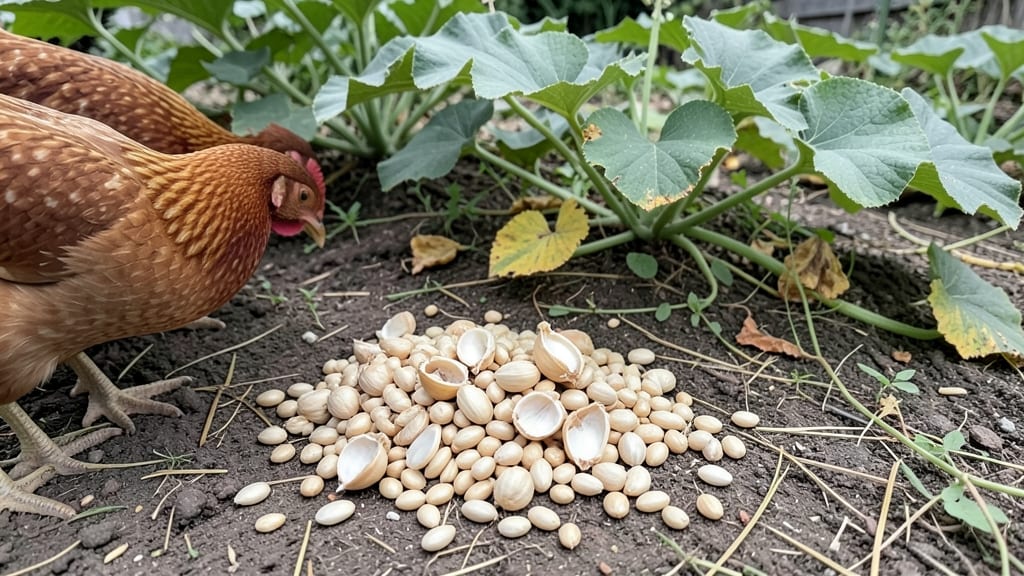
Hens can eat pumpkin seeds in moderation as a nutritious treat, but raw or salted varieties should be avoided due to potential toxicity or digestive upset. Unsalted, roasted seeds in small amounts provide healthy fats and fiber, while overfeeding can lead to obesity or imbalanced diets.
Pumpkin seeds are a powerhouse snack for chickens when prepared correctly, offering essential nutrients like zinc and magnesium that support their overall health. 🌟 These seeds can boost egg production and strengthen their immune system, making them a valuable addition to a balanced diet.
However, moderation is key—overdoing it can disrupt their nutrient intake or cause weight gain, so think of them as an occasional supplement rather than a staple.
For best results, serve unsalted, roasted seeds in small portions—about 1-2 teaspoons per hen, 2-3 times a week. Raw seeds can be hard to digest, and salted varieties are toxic.
If you're unsure about preparation, shelled seeds are a safer bet, as they’re easier for hens to process without the risk of choking on the shells.
💡 In This Article
- Nutritional Benefits of Pumpkin Seeds for Chickens
- Safe Ways to Serve Pumpkin Seeds to Hens
Nutritional benefits of pumpkin seeds for chickens
Pumpkin seeds pack a nutritional punch for hens, offering a balanced mix of protein (30% by weight), healthy fats (50% of their calorie content), and essential minerals like zinc (3.2 mg per ounce) and magnesium (160 mg per ounce).
The zinc supports their immune system by helping produce white blood cells, while magnesium aids muscle function and nerve signaling—critical for active hens. These seeds also contain antioxidants like vitamin E (2.5 mg per ounce), which combat oxidative stress and promote cellular health.
The fat profile of pumpkin seeds is particularly beneficial for egg-laying hens. The seeds contain omega-3 and omega-6 fatty acids in a 1:3 ratio, which helps maintain the yolk's rich color and nutritional quality.
Studies show hens fed omega-3-rich diets produce eggs with 20-30% more DHA (a brain-boosting omega-3), making them healthier for human consumption. The fiber content (1.7 grams per ounce) also supports digestion, preventing issues like crop impaction that can plague hens on dry feed-heavy diets.
Compared to other seed treats, pumpkin seeds stand out for their mineral density. Sunflower seeds, for example, provide more fat (53% of calories) but lack the same zinc-to-copper balance found in pumpkin seeds.
Flaxseeds offer higher omega-3s but contain less than half the magnesium per ounce. This makes pumpkin seeds a more well-rounded supplement for hens, especially during molting seasons when feather quality declines due to mineral deficiencies.
What most backyard chicken keepers don't realize is how pumpkin seeds influence egg production efficiency. The combination of arginine (an amino acid) and zinc in these seeds has been shown to improve egg shell thickness by up to 15% in commercial flocks.
For free-range hens, this translates to fewer cracked eggs and stronger shells—critical for maintaining a steady supply. The seeds' crunchy texture also provides mental stimulation, reducing stress-related behaviors that can suppress laying.
For optimal results, combine pumpkin seeds with other mineral-rich treats like mealworms (high in protein) or oyster shell (pure calcium) to create a balanced nutritional profile. A 1:2 ratio of seeds to grain in treats ensures hens get variety without overloading on fats.
The key is variety—just as humans benefit from diverse diets, hens thrive when their treats mirror the natural foraging behaviors of their wild ancestors.
Here's what happens when hens consistently receive pumpkin seeds as part of their diet: their feathers develop a glossier sheen due to improved keratin production, and their comb color remains vibrant—a visual sign of good circulation and health.
The antioxidants in the seeds also help maintain stronger immune responses, reducing the frequency of respiratory infections common in damp climates. 💫