
Advice
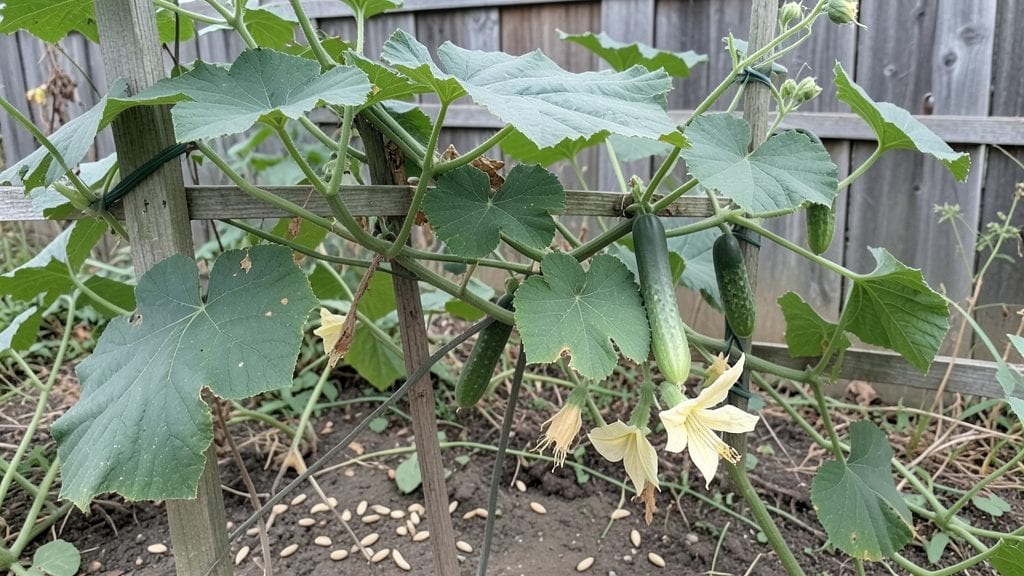
Yes, dogs can have cucumber seeds in moderation since they’re non-toxic, but feeding too many can lead to digestive issues or intestinal blockages from their hard texture and fiber content. Always supervise your dog after giving them seeds and watch for signs like vomiting or diarrhea.
Cucumber seeds aren’t inherently dangerous, but their small, hard shape can pose risks—especially for smaller breeds. 🌱 The real concern lies in quantity and preparation: whole seeds may pass safely in tiny amounts, but large batches could cause choking or blockages.
I recommend removing seeds from cucumber slices when sharing with your pup, or offering seed-free cucumber sticks instead. Even then, start with just a few pieces to gauge your dog’s reaction.
For extra safety, opt for cucumbers labeled "seedless" or blend seeds into a puree with dog-safe ingredients like plain yogurt or pumpkin. This eliminates the choking hazard while still letting your dog enjoy cucumber’s hydrating benefits.
Always introduce new foods gradually and consult your vet if you notice any digestive changes.
💡 In This Article
- Cucumber Seed Safety: Vet-Approved Risks and Digestive Impact
- Safe Ways to Feed Cucumber Seeds to Dogs
Cucumber seed safety: vet-approved risks and digestive impact
The hard, fibrous texture of cucumber seeds is the primary concern for dogs. Unlike the soft cucumber flesh (which is over 95% water and easily digestible), seeds have a much denser structure that can irritate a dog's digestive tract.
Their small, oval shape—typically 2-4 millimeters long—makes them particularly risky for small breeds, where they can lodge in the esophagus or intestines. The seed's outer shell contains cellulose fibers, which dogs lack the enzymes to break down efficiently, potentially causing mild to moderate gastrointestinal distress.
Here's what happens when a dog consumes too many seeds: the hard outer coating resists digestion, scraping against intestinal walls and triggering inflammation. In extreme cases, seeds can form a partial blockage—especially in dogs under 20 pounds—where they create a physical obstruction without completely stopping digestion.
The fiber content also draws water into the intestines, which can lead to bloating or diarrhea within 6-12 hours of ingestion. Unlike toxic foods (which cause immediate vomiting), seed-related issues often develop gradually, making them harder to detect.
The size of your dog matters significantly here. A 50-pound Labrador might safely digest 5-10 seeds without issue, while a 10-pound Chihuahua could experience distress from just 2-3 seeds. The ASPCA notes that small breeds have narrower intestinal passages, increasing the risk of impaction.
Even large breeds aren't immune—if a dog gulps seeds whole without chewing, the risk of esophageal blockage rises dramatically. This is why vets often recommend removing seeds entirely when sharing cucumbers with pets.
Long-term digestive health is another consideration. While occasional seeds won't cause permanent damage, frequent consumption can lead to chronic low-grade irritation of the gastrointestinal lining. Dogs with pre-existing conditions—like inflammatory bowel disease (IBD)—should avoid seeds altogether, as their digestive systems are already stressed.
The good news? Cucumber flesh itself is completely safe and packed with hydration benefits (about 96% water content), making it a great alternative for seed-conscious owners.
What most pet owners don't realize is how quickly seeds can become problematic. A single cucumber contains hundreds of seeds, and even a small slice might hold 50+ seeds. If your dog finishes an entire slice, they could ingest enough to cause mild digestive upset.
The key is moderation: 1-2 seeds per pound of body weight is a safe guideline for occasional treats. Always supervise your dog after feeding and watch for signs like excessive licking of lips (a sign of nausea) or lethargy, which may indicate discomfort.
For comparison, pumpkin seeds—another common treat—are softer and easier to digest when properly prepared. They contain beneficial nutrients like magnesium and zinc, whereas cucumber seeds offer no nutritional benefit to dogs.
The real value in cucumbers comes from the flesh: its high water content helps with hydration, and its low calorie count makes it ideal for weight management. 🌱