Featured
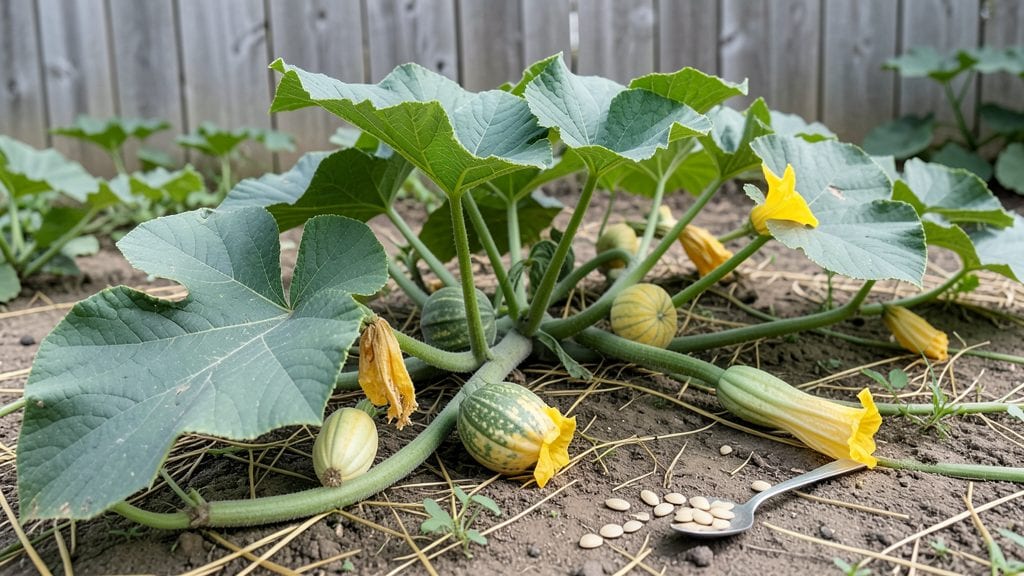
Chickens can eat raw squash seeds in small amounts, as they’re non-toxic and provide fiber and nutrients, but overfeeding may cause digestive upset or blockages due to their hard shells. Always introduce seeds gradually and monitor for reactions.
Raw squash seeds are safe for chickens when offered sparingly, but their hard shells can be tricky for digestion. 💫 The seeds contain healthy fats, protein, and minerals like magnesium and zinc, which support your flock's overall health.
I’ve found that chickens enjoy them as a tasty treat, especially when mixed into their regular feed. However, the shells can be a choking hazard or cause blockages if given in excess, so always crush them lightly before serving.
For best results, limit portions to about 1–2 teaspoons per chicken daily and watch for signs like reduced egg production or diarrhea. If you notice any digestive issues, scale back immediately and offer safer alternatives like cracked corn or mealworms. Introducing new foods gradually helps your chickens adjust without stress.
💡 In This Article
- Nutritional Value of Squash Seeds for Chickens
- Safe Ways to Feed Squash Seeds to Chickens
Nutritional value of squash seeds for chickens
Squash seeds pack a surprising nutritional punch for chickens, offering a balanced mix of protein, healthy fats, and essential minerals.
A single tablespoon of raw, unroasted pumpkin seeds (a common squash variety) contains about 5 grams of protein and 4 grams of fat, primarily in the form of omega-3 and omega-6 fatty acids.
These nutrients support feather health, egg production, and overall metabolic function—similar to what you'd find in commercial layer feed supplements, though in smaller quantities.
The real standout is the mineral content: squash seeds are rich in magnesium (156mg per ounce) and zinc (2.2mg per ounce), both critical for chickens' immune systems and bone development.
For comparison, a typical commercial chicken feed provides about 0.3% magnesium and 0.04% zinc by weight, while squash seeds deliver these minerals in highly bioavailable forms. The seeds also contain 1.7 grams of fiber per tablespoon, which aids digestion—though this is where the hard shells become problematic.
Here's what's actually happening in your chickens' digestive systems: the hard outer shells can slow down passage through the gizzard, potentially causing blockages if consumed in large quantities. 🔥 The fibrous inner seed coat is easier to digest, but the shells require significant grinding power.
This is why I recommend lightly crushing the seeds before serving—it mimics how chickens would naturally process them in the wild, where they'd peck and grind seeds against rocks.
The fat content in squash seeds (about 40-50% of their dry weight) is beneficial but must be balanced. Too much can lead to weight gain or fatty liver syndrome in layers, especially during egg-laying seasons.
This is why moderation is key: while the seeds offer valuable nutrients, they should complement—not replace—your chickens' primary feed. Think of them as a superfood supplement rather than a staple.
What most people don't realize is how the seed's composition changes with preparation. Raw seeds contain 190 calories per ounce and higher levels of natural enzymes that aid digestion, but roasting can destroy some of these benefits.
For chickens, raw is always better—just make sure to remove any stringy pulp that might attract pests or spoil quickly in warm climates.
For perspective, consider this comparison: a 1-ounce serving of squash seeds provides roughly 10% of a chicken's daily magnesium requirement and 20% of its zinc needs, based on standard poultry nutritional guidelines.
This makes them an excellent occasional treat, especially for breeding hens or birds showing signs of mineral deficiencies like brittle feathers or pale combs.