
Flowers
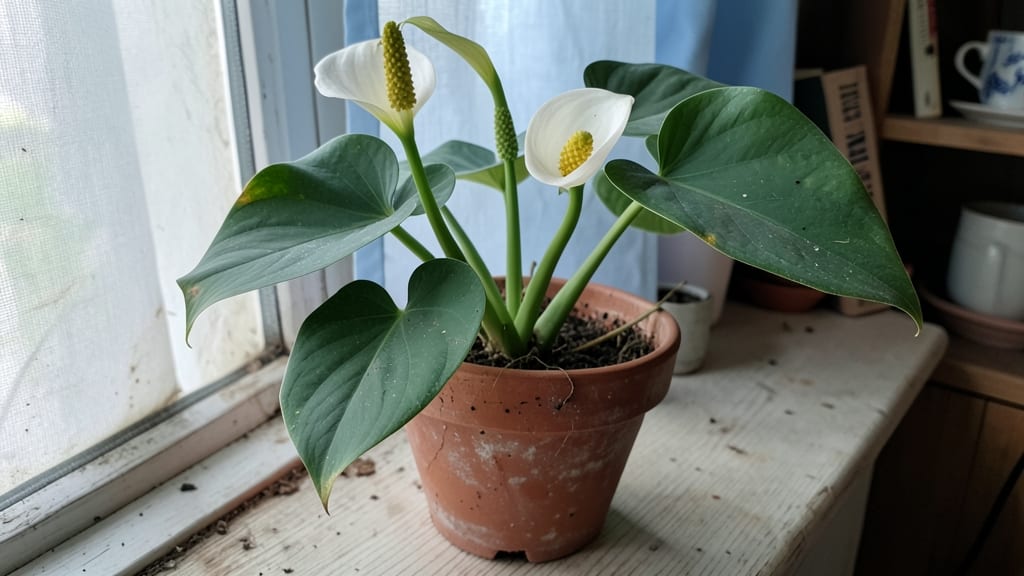
The seeds inside a calla lily flower are sterile and won’t grow into new plants because these popular ornamental varieties (including Zantedeschia aethiopica) rely on underground rhizomes for reproduction. Those tiny black seeds in the spadix are purely decorative and can’t be used for propagation—you’ll need to divide the rhizomes or use tissue culture to create new plants.
The reason behind this sterility comes down to horticultural breeding priorities. 🌱 Most calla lilies we grow today are hybrids developed for their striking foliage and dramatic blooms, not for seed production. The energy that wild plants might invest in viable seeds instead goes into growing larger, more vibrant rhizomes.
This is why gardeners and plant breeders almost never use seeds to propagate calla lilies—they simply don’t produce true-to-type offspring. Instead, dividing mature rhizomes in early spring gives you identical plants with the same traits as the parent.
For those interested in propagation, the key is timing and technique. Spring division right after the plant goes dormant produces the healthiest new plants, while fall division risks exposing them to winter cold.
Always use a sharp, sterilized knife to separate the rhizomes, ensuring each section has at least one growth bud. The small black seeds you see in the flower? They’re nature’s way of tricking pollinators into visiting, but they won’t give you new calla lilies—just pretty (but useless) ornaments.
💡 In This Article
- Why Calla Lily Flowers Produce Non-Viable Seeds
- Best Methods to Propagate Calla Lilies Without Seeds
Why calla lily flowers produce non-viable seeds
Here's what's actually happening with those tiny black seeds in calla lilies: they're evolutionary relics rather than functional reproductive structures. Most cultivated varieties like Zantedeschia aethiopica (the common white calla lily) have undergone extensive hybridization for ornamental traits, sacrificing seed viability in the process.
The energy that would normally go into producing fertile seeds instead flows into developing larger, more robust rhizomes that store nutrients for next year's growth. This is a classic example of horticultural breeding prioritizing visual appeal over reproductive function.
The key factor is genetic stability. Wild relatives in the Arum family often produce viable seeds because they haven't been selectively bred for specific colors or forms.
For instance, Arum maculatum (the European lords-and-ladies) produces fertile seeds that can germinate, while most garden calla lilies can't. The sterile seeds you see are actually berry-like structures containing undeveloped embryos—just 0.5-1mm in size—that would require perfect pollination conditions even if they were fertile, which they're not. 🌱
This works because calla lilies have evolved a different reproductive strategy. Their thick, starchy rhizomes can survive years of dormancy and produce new shoots with identical genetic material through asexual reproduction.
In the wild, this gives them a survival advantage—when conditions are favorable, they can rapidly expand their territory without relying on seeds. For gardeners, this means you get consistent, predictable plants when you divide rhizomes rather than dealing with the genetic variability that comes from seeds.
What most people don't realize is how this affects plant characteristics. The sterile seeds you see develop from the flower's spadix (the central spike) after pollination, but they remain undeveloped because the plant's resources are allocated elsewhere.
This is particularly noticeable in hybrid varieties where breeders have selected for traits like heart-shaped leaves or unusual flower colors—traits that wouldn't reliably appear in seed-grown offspring. The trade-off is that you get show-stopping plants in your garden, but you can't grow them from seed.
There's also a chemical angle to consider. The sterile seeds contain compounds that may have originally attracted pollinators in wild species, but in cultivated varieties, these compounds serve no reproductive purpose.
Instead, they might contribute to the plant's overall ornamental appeal—like the glossy black berries that contrast beautifully against the white spathe. This is nature's way of repurposing structures that once had a function but no longer do in the domesticated plant. 💫
Interestingly, some calla lily varieties do produce viable seeds—particularly older, less hybridized types. For example, Zantedeschia rehmannii (the pink calla lily) occasionally produces seeds that can germinate, though the resulting plants may not be true to type. This shows how horticultural selection has pushed most modern varieties toward sterility.
The lesson here is that when you see those tiny black seeds, you're looking at a remnant of the plant's wild ancestry, preserved but rendered non-functional by generations of breeding for beauty over biology.