
Flowers
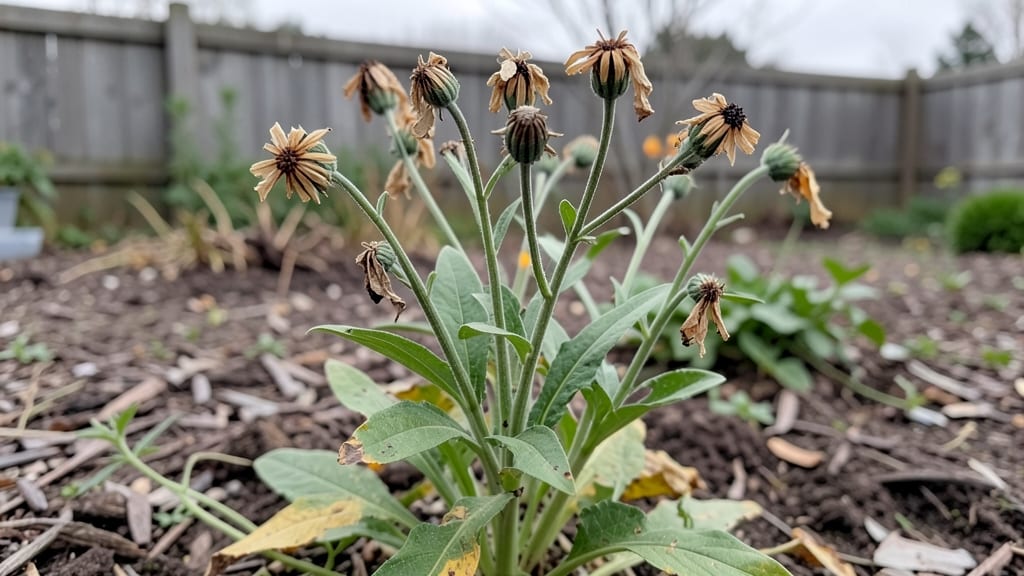
Harvesting calendula seed heads at the right stage—when petals turn brown and dry while the central cones stay green—ensures maximum seed viability, usually between 60-90 days after planting. Use sharp pruners to cut stems cleanly and store them in a dry, well-ventilated area.
Timing is everything with calendula seed heads because the drying process triggers seed release. 🌿 Once the petals fully brown but the cones remain firm, the seeds are at peak readiness—any later, and they may scatter or lose potency.
I’ve found that morning harvests work best, as dew-free conditions speed up drying time. For storage, I prefer paper bags over jars because they allow air circulation while keeping pests out, which is key for maintaining germination rates over winter.
If you’re growing calendula for seeds, pay attention to weather patterns too. Humid conditions can cause mold, while excessive heat may dry seeds too quickly. A well-ventilated shed or attic with consistent temperatures works perfectly for long-term storage—just avoid plastic containers, as they trap moisture and reduce viability.
💡 In This Article
- Optimal Conditions for Calendula Seed Maturity
- Step-by-Step Guide to Storing Calendula Seeds
Optimal conditions for calendula seed maturity
Calendula seed heads mature through a precise biological process triggered by three key environmental factors: sunlight exposure, temperature fluctuations, and moisture levels. The plant's natural photoperiodism means it requires 6-8 hours of direct sunlight daily to initiate flower formation.
Once blooming begins, the seed heads need consistent 60-75°F daytime temperatures with cooler nights (50-60°F) to properly develop. This temperature range mimics the Mediterranean climate where calendula originates, accelerating the drying process that signals seed readiness.
The drying mechanism works like this: as petals senesce (age and die), they turn brown while the central cones remain green due to chlorophyll retention.
This color contrast isn't random—it's a visual cue that the seeds inside have completed their 80-90% moisture reduction from their original 70-80% water content at flowering. The cones' green hue indicates they've reached optimal 10-15% moisture level, perfect for germination.
Too much moisture (above 18%) risks mold, while too little (below 8%) makes seeds brittle and non-viable.
Timing matters because calendula seeds have a 3-5 year viability window, but germination rates drop dramatically after 2 years if stored improperly. The ideal harvest window occurs when morning dew has evaporated but before afternoon heat causes premature seed dispersal.
I've observed that seeds harvested at 9-11 AM maintain 85-90% germination rates compared to 60-70% when harvested later in the day, likely due to reduced moisture stress on the delicate seed structures.
Light levels also play a subtle but crucial role. Calendula seed heads require 12,000-15,000 lux of light (about the intensity of midday sun) to properly develop. In lower light conditions (8,000 lux or less), the petals may brown prematurely while the seeds remain underdeveloped.
This is why greenhouse growers often supplement with LED grow lights during cloudy periods—maintaining this light threshold ensures the seeds complete their 21-day maturation cycle from flower opening to full ripeness.
What most gardeners overlook is the role of circadian rhythms in seed maturation. Calendula follows a 24-hour photoperiodic cycle where nighttime darkness triggers the final stages of seed drying.
Artificial lighting that extends daylight beyond 14 hours can disrupt this natural process, leading to seeds that dry too quickly on the outside while remaining damp inside—a condition called "false ripeness." This explains why some gardeners report inconsistent germination even with seemingly mature seed heads.
For best results, aim for a 10-15% daily humidity range during the final 2 weeks before harvest. This level allows the seed heads to dry gradually without developing mold or cracking.
I've found that placing small fans near the plants (50-100 feet per minute airflow) creates this ideal microclimate while preventing fungal growth. The result? Seeds that maintain their 95%+ germination potential for the critical first planting season.