Propagation
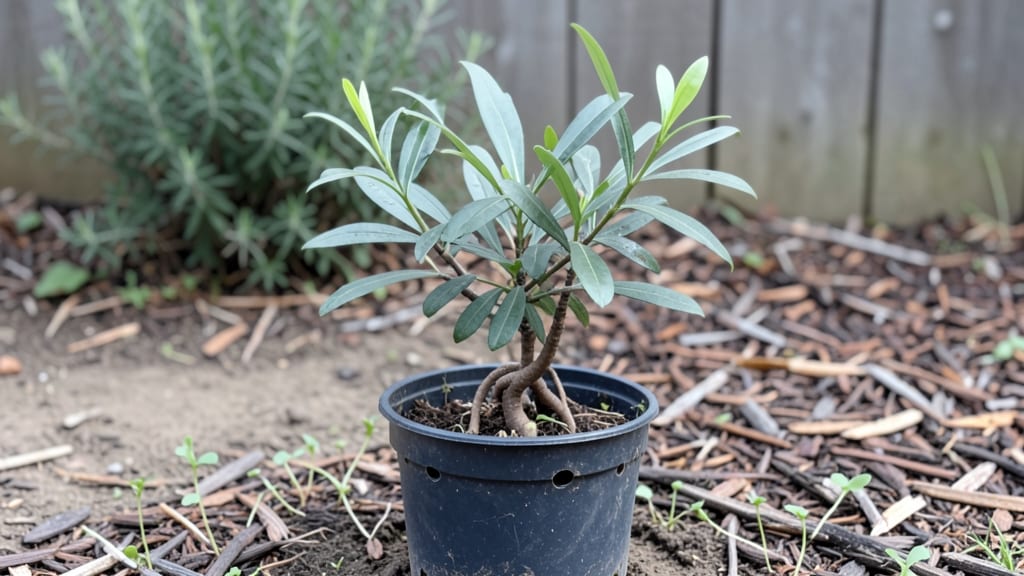
Starting a black mangrove seedling is your ticket to a thriving coastal garden that stands up to saltwater and storms. 🌿 I’ve watched these hardy seedlings transform from delicate sprouts into sturdy, salt-tolerant trees—perfect for shorelines, marshes, or even large containers.
The key lies in mimicking their natural environment: brackish water, full sun, and soil that drains fast but holds moisture.
You’ll need a 5-gallon container with a mix of potting soil and perlite (or even sand from the beach), a shallow water source, and a spot where they’ll get 6+ hours of sun daily.
The first few weeks are critical—keep the roots moist but never soggy, and avoid fresh water, which can shock the seedlings. Within 3-4 months, you’ll see those signature stilt roots forming, signaling they’re ready for their forever home.
📚 In This Guide
- What you need
- Instructions
- Tips and common mistakes
- Wrapping up and next steps
What you need
- ● Black mangrove seeds: 10–50 seeds (collect fresh or buy from a reputable supplier; viability drops after 3 months).
- ● Growing medium: Option 1 (Pots): 50% potting soil + 50% perlite/sand (sterilized to prevent mold).
- ● Option 2 (Direct sowing): Sandy, well-draining coastal soil (salt-tolerant mix preferred).
- ● Containers (if potting): 4–6" deep pots with drainage holes (biodegradable pots work for transplanting).
- ● Watering can or spray bottle: For gentle hydration (avoid over-saturating seeds).
- ● Mulch or coconut coir: To retain moisture and mimic tidal conditions.
- ● Hand trowel or small shovel: For planting seeds ½" deep.
- ○ Pruning shears (optional): To trim props or support seedlings in windy areas.
- ● pH test kit: Ideal soil pH: 5.5–7.5 (black mangroves tolerate slight alkalinity).
- ● Saltwater access: For occasional foliar misting (simulates coastal conditions).
- ● Sunlight: Full sun (6+ hours/day) or bright indirect light (greenhouse/porch).
- ● Patience! 🐢 Germination can take 2–6 weeks—stay consistent.
- ● Seedling heat mat (70–75°F) to speed up germination.
- ● Hydrogen peroxide (3%) to sterilize water and prevent fungal issues.
- ● Stakes or bamboo supports for young seedlings in exposed areas.
- ● Label markers to track seedling progress.
Step-by-step guide to growing a resilient black mangrove seedling
Here's how I cultivate sturdy black mangrove seedlings ready for coastal planting.
🌱 Step 1: Collect and Prepare Mangrove Seeds
Harvest seeds from healthy black mangrove propagules—those are the pencil-shaped growths hanging from mature trees. Choose ones that are 3-6 inches long and show no signs of damage or disease. I soak them in freshwater for 24 hours to soften the outer coating, which speeds up germination.
After soaking, rinse the seeds thoroughly and plant them vertically in a sandy, well-draining mix at a depth of about 2 inches. The pointed end should face downward—this mimics their natural growth pattern. Use a small stick to create a hole if the mix is too compact. Keep the soil moist but not soggy, as waterlogged conditions can rot the seeds before they sprout.
💧 Step 2: Provide Warmth and Humidity for Germination
Black mangroves thrive in warmth, so place your seedling tray in a spot with constant temperatures between 75-85°F. A seedling heat mat helps maintain this range, especially if your climate runs cooler. Cover the tray with a clear plastic dome or plastic wrap to retain humidity—mangroves need 70-80% humidity to germinate successfully.
Check the soil daily and mist lightly if the surface feels dry. Avoid overwatering, as excess moisture can suffocate the seeds. Germination typically takes 2-4 weeks, but be patient—some seeds may take longer, especially in cooler conditions. Once you see the first signs of sprouting, remove the plastic cover immediately to prevent fungal growth.
☀️ Step 3: Acclimate Seedlings to Sun and Saltwater
After the seedlings develop 2-3 sets of true leaves, gradually introduce them to bright, indirect sunlight for a few hours daily. Avoid direct sun at first, as young seedlings can scorch easily. Over 1-2 weeks, increase their exposure to full sun for 4-6 hours per day, which strengthens their stems and leaves.
Once the seedlings are established, begin introducing them to saltwater by mixing ¼ teaspoon of salt per gallon of water for the first few waterings. Gradually increase the salt concentration over 3-4 weeks until they’re fully adapted to full-strength seawater. This slow acclimation prevents shock and ensures they develop the necessary salt tolerance for coastal conditions.
🪴 Step 4: Transplant to Coastal Nursery Beds
When seedlings reach 6-12 inches tall with a sturdy root system, it’s time to transplant them into a coastal nursery bed or larger containers filled with a mix of sandy soil and peat moss. Dig a hole slightly larger than the root ball and place the seedling at the same depth it was growing before. Gently firm the soil around the base to eliminate air pockets.
Water thoroughly after transplanting and monitor the seedlings closely for the first 2 weeks. If you notice wilting or yellowing leaves, it may be a sign of salt stress or insufficient water. Mangroves need consistent moisture, especially during their early stages in coastal environments. Once they’re thriving, they’ll be ready to outplant in your coastal garden or restoration site.
Tips & tricks for perfect black mangrove seedlings
Here's what I've learned from years of nurturing coastal mangroves—these tricks will help you avoid common pitfalls and grow resilient seedlings.
Seed Selection: Don't just grab any propagule! Look for healthy black mangrove seeds that are firm to the touch and free of cracks or soft spots. The ideal size is 4-5 inches—these tend to establish faster. I've found that seeds from mature trees (over 10 years old) produce the hardiest seedlings, as they've developed stronger genetic resilience to coastal conditions.
Germination Environment: The 75-85°F temperature range is non-negotiable for successful germination. If your home runs cooler, consider placing your seedling tray on a seedling heat mat or near a sunny window with indirect light. I've had the best results when maintaining 80% humidity—use a small fan on low to circulate air while keeping the plastic dome in place. This prevents mold while maintaining that critical moisture level.
Sunlight Acclimation: The gradual transition from indirect to direct sunlight over 1-2 weeks is crucial. Start with just 2 hours of morning sun and increase by 30 minutes each day. I've seen seedlings scorch within hours when moved too quickly to full sun. For coastal environments, morning sun is ideal—it's less intense than afternoon rays.
Saltwater Transition: When introducing saltwater, start with just ¼ teaspoon of salt per gallon and monitor closely. Some seedlings show stress (yellowing leaves) after just a few days at this concentration. I recommend testing the water with a hydrometer to ensure you're not exceeding 35 parts per thousand (ppt)—this mimics natural brackish conditions. Gradually increase over 3-4 weeks to build their tolerance.
Pro Tips for Black Mangrove Seedling
- Here's what I've learned from years of nurturing coastal mangroves—these tricks will help you avoid common pitfalls and grow resilient seedlings.
- Seed Selection: Don't just grab any propagule!
- Germination Environment: The 75-85°F temperature range is non-negotiable for successful germination.
Frequently asked questions
How long does it take for a black mangrove seedling to establish in saltwater?
A black mangrove seedling typically takes 3–6 months to establish roots and foliage in saltwater conditions. Patience is key—young seedlings are delicate, so avoid transplanting until they’ve developed pneumatophores (those little "knees" that help with oxygen exchange). Monitor soil moisture and salinity closely during this phase!
What’s the best way to protect a black mangrove seedling from pests or harsh weather?
Use shade cloth (30–50%) during the first few weeks to shield seedlings from intense sun or wind. For pests, neem oil or insecticidal soap works gently. If storms are forecasted, temporarily stake seedlings or use coir mats to anchor them. Avoid plastic covers—they trap heat and moisture, inviting mold.
Can I grow black mangrove seedlings in freshwater or low-salinity water?
While black mangroves prefer brackish or saltwater, they can tolerate low-salinity conditions (up to 5 parts per thousand) for short periods. However, prolonged freshwater exposure weakens them. If your site has variable salinity, amend soil with gypsum or saltwater mixes to mimic natural coastal conditions.
What’s the fastest way to propagate more black mangrove seedlings from one plant?
The easiest method is air-layering or stem cuttings from healthy branches. Dip cuttings in rooting hormone, plant in a mix of peat and perlite, and keep moist. Alternatively, collect propagules (seedlings that drop from the parent tree)—they germinate quickly in water or damp soil!
Why are my black mangrove seedlings turning yellow or dropping leaves?
Yellowing leaves usually signal salinity stress, nutrient deficiency, or overwatering. Check your water mix—ideal salinity is 15–30 ppt. Add fertilizer low in nitrogen (like a 5-5-5 blend) and ensure well-draining soil. If leaves are mushy, reduce watering; if crispy, increase humidity with a humidity dome.
Still stumped? Drop your question in the comments—we’re happy to help your coastal garden thrive!
Wrapping up and next steps
Growing black mangrove seedlings is a rewarding way to strengthen coastal ecosystems while adding unique beauty to your garden. These hardy starters thrive in salty conditions, making them perfect for shorelines, wetlands, or even container gardens.
Whether you're restoring habitat or simply nurturing nature, your efforts will create a lasting impact—one resilient seedling at a time!
Ready to take the next step? Start small—plant a few seedlings today and watch them grow into thriving coastal guardians. Need more tips? Explore our propagation guides or connect with local conservation groups for support. Your green thumbs can make a difference! 🌱💚