
Planting
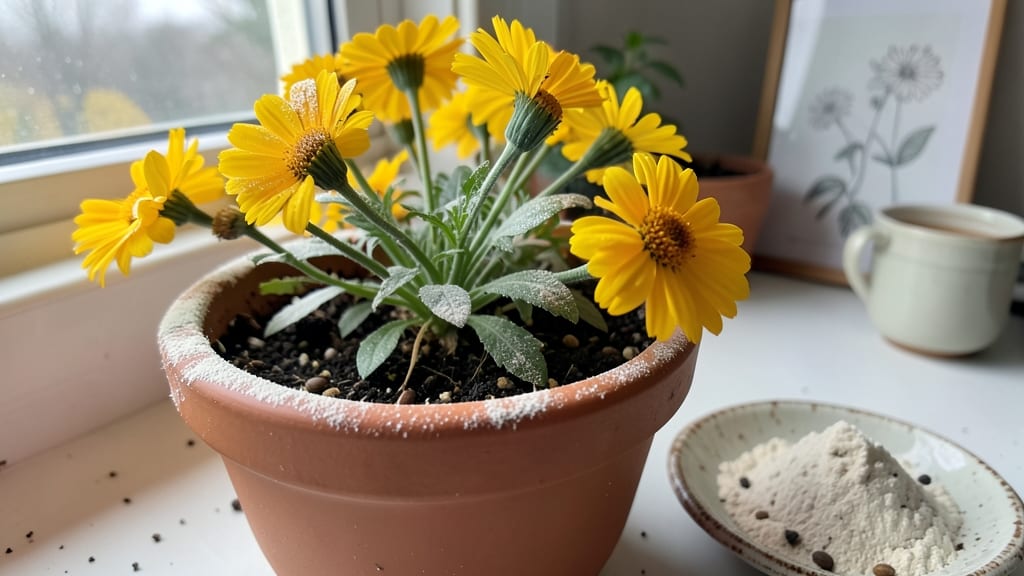
Biological seed coatings boost germination rates and plant health by introducing beneficial microbes that enhance soil structure, fight off harmful pathogens, and encourage stronger root development. These eco-friendly alternatives use natural microbes like mycorrhizal fungi or rhizobacteria instead of synthetic chemicals.
These microbial coatings work like a tiny army for your seeds, creating a protective shield around each one. 🌱 The microbes form symbiotic relationships with plant roots, unlocking nutrients like phosphorus while warding off soilborne diseases.
Unlike chemical treatments, they break down naturally over time, leaving behind healthier soil for future plantings. I’ve seen firsthand how coated seeds sprout faster and grow more vigorously, especially in stressed or nutrient-poor conditions.
What makes them particularly exciting is their dual role: they not only improve germination but also reduce the need for chemical fertilizers and pesticides. This approach aligns perfectly with organic farming practices and sustainable agriculture goals.
For gardeners and farmers alike, switching to biological coatings means better yields without compromising soil health or environmental safety.
💡 In This Article
- How Biological Seed Coatings Work in Soil
- Best Practices for Applying Biological Seed Coatings
How biological seed coatings work in soil
The magic of biological seed coatings happens at the microscopic level, where specialized microbes form symbiotic relationships with plant roots. Mycorrhizal fungi, for example, extend tiny filaments called hyphae into the soil, creating an enormous network that connects to plant roots.
This network expands the root system's reach by up to 100 times, allowing plants to access nutrients like phosphorus that would otherwise remain locked away in the soil. These fungi also secrete enzymes that break down complex organic matter, making nutrients more available to the plant.
Nitrogen-fixing bacteria like Rhizobium take things even further by converting atmospheric nitrogen (which plants can't use directly) into ammonia, a form they can absorb.
A single gram of healthy soil can contain billions of these bacteria, yet their impact is massive—studies show they can increase nitrogen availability by 50-100% for leguminous plants. Meanwhile, plant growth-promoting rhizobacteria (PGPR) produce antibiotics and hormones that suppress harmful pathogens while stimulating root growth. The result?
Seeds germinate faster, roots develop more robustly, and plants become more resilient to stress.
What sets these coatings apart from chemical alternatives is their precision. Chemical coatings often rely on broad-spectrum fungicides or fertilizers that harm beneficial soil organisms while targeting pests. Biological coatings, however, work selectively—only activating when they encounter plant roots.
This targeted approach means no residual chemicals in the soil, no disruption of natural microbial communities, and no risk of developing resistant pathogens. The microbes in these coatings also improve soil structure by producing polysaccharides that bind soil particles together, creating better water retention and aeration.
Consider the case of Trichoderma fungi, which are commonly used in biological coatings. These fungi don't just fight pathogens—they also trigger a plant's natural defense mechanisms by activating genes that produce protective compounds.
Research shows coated seeds treated with Trichoderma can reduce damping-off disease (a common seedling killer) by up to 70% while increasing biomass by 30% compared to untreated seeds. This dual action makes them particularly valuable in organic farming systems where chemical controls are restricted.
The sustainability benefits become even clearer when you compare them to chemical coatings. Synthetic fungicides and fertilizers often leave behind toxic residues that accumulate in the soil over time, requiring increasingly higher doses for the same effect.
Biological coatings, on the other hand, break down completely after serving their purpose, leaving behind only healthier soil teeming with beneficial microbes.
This creates a positive feedback loop where each planting improves the conditions for the next, making biological coatings not just an immediate solution but a long-term investment in soil health.
What most people don't realize is how these coatings interact with the plant's natural growth hormones. Many beneficial microbes produce auxins and cytokinins—plant hormones that regulate cell division and root elongation.
This hormonal boost can accelerate germination by 2-3 days and increase root length by up to 50% in some cases. The result is stronger seedlings that establish themselves more quickly, giving them a competitive edge against weeds and environmental stressors.