
Pruning
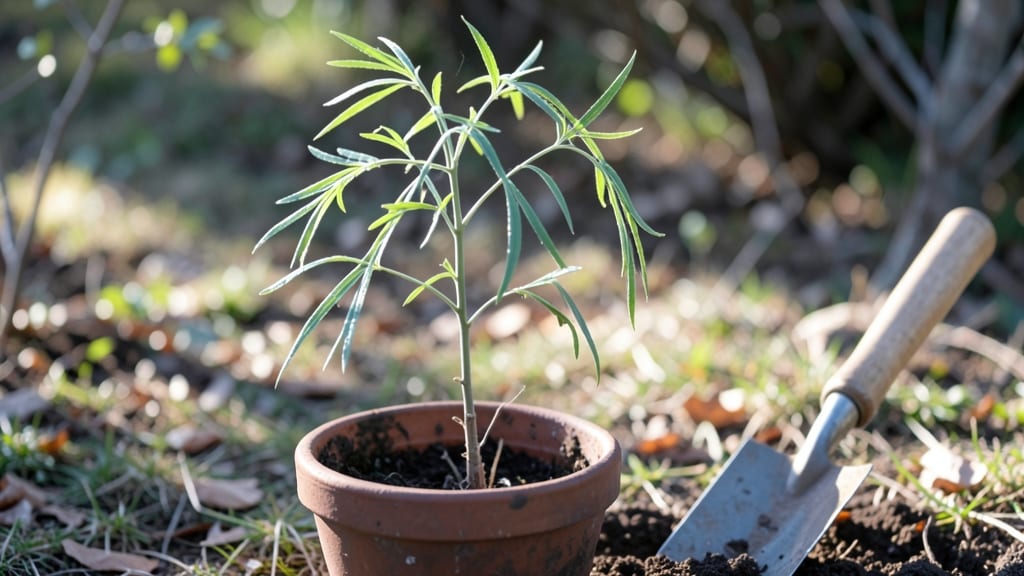
Growing a willow tree from a seedling is one of the fastest ways to get those iconic, arching branches in your landscape. 🌿 The key to success lies in understanding its aggressive roots and flexible growth habits—something I learned the hard way after my first seedling outpaced its container in just three months.
This isn’t your average tree; it spreads roots like a weed and grows branches that sway dramatically with the wind, but with the right approach, you’ll get a stunning, low-maintenance specimen that thrives in wet or dry soil alike.
The secret starts with the soil: willows love moisture but hate soggy roots, so well-draining soil mixed with compost is your best bet.
Plant the seedling in early spring when the ground is workable but not frozen, and give it plenty of space—at least 10 feet from structures or other plants. Water deeply right after planting to encourage those fast-spreading roots, but avoid overwatering once established.
Sunlight is another game-changer; willows crave full sun for at least six hours a day, though they’ll tolerate partial shade in hotter climates.
Pruning is where the magic happens. Cut back any leggy growth in early spring to encourage bushier branches, and trim back overgrown roots if they’re creeping into unwanted areas.
The goal is to shape the tree while keeping its natural flexibility—willows are famous for their graceful, drooping limbs, but they’ll grow wild if left unchecked.
Within a year, you’ll see those iconic branches taking shape, and the tree will start spreading roots aggressively, making it a natural choice for erosion control or adding drama to water features.
Fair warning: willows are invasive in some areas, so check local regulations before planting. If you’re in a region where they’re considered a nuisance, opt for a dwarf variety or plan to contain the roots with a barrier.
Otherwise, this fast-growing, low-fuss tree will reward you with years of striking beauty and minimal upkeep—once you master the pruning and planting basics, that is.
📚 In This Guide
- What you need
- Instructions
- Tips and common mistakes
- Wrapping up and next steps
What you need
- ● Willow tree seedling: 1–3 (choose fast-growing varieties like Salix babylonica or Salix fragilis for best results).
- ● Well-draining soil: 5–10 gallons of a mix of 60% topsoil, 30% compost, and 10% sand (or perlite for moisture control).
- ● Growing container or planting hole: Container option: 1–2 large pots (12–18 inches deep) with drainage holes.
- ● Outdoor planting: A hole twice as wide and deep as the seedling’s root ball.
- ● Watering can or hose: With a gentle spray nozzle for hydration.
- ● Pruning shears: Sharp, bypass-style shears (size 6–8 inches) for clean cuts.
- ○ Fertilizer (optional but recommended): Balanced 10-10-10 NPK fertilizer (1–2 tbsp per seedling).
- ● Slow-release organic fertilizer (e.g., fish emulsion or worm castings).
- ● Gloves: Heavy-duty gardening gloves to protect from thorns and sap.
- ● Stake or support: 1–2 bamboo stakes (4–6 feet tall) + soft plant ties (for young saplings).
- ● Mulch: 2–3 inches of wood chips or straw to retain moisture.
- ○ Root stimulator (optional): Mycorrhizal fungi powder to boost root growth.
- ● Sunlight: Full sun (6+ hours daily) or partial shade (for humid climates).
- ● Water access: Regular watering (keep soil moist but not soggy).
- ● Patience: Willow seedlings grow fast but need 1–2 years for sturdy branches.
Step-by-step guide to growing a willow tree seedling
Here's how to nurture a fast-growing willow with strong, flexible branches and rapid root development.
🌱 Step 1: Plant the Seedling in Moist, Well-Draining Soil
Willow seedlings thrive in damp conditions, so dig a hole twice as wide as the root ball but no deeper. The soil should be rich in organic matter—willows love moisture but hate soggy roots. Amend heavy clay with compost to improve drainage.
Place the seedling in the hole and backfill with soil, pressing gently to remove air pockets. Water deeply until moisture reaches 6 inches down. You'll know it's right when water pools slightly at the surface but drains within 30 minutes. Mulch with 2-3 inches of organic mulch around the base to retain moisture and regulate soil temperature.
💧 Step 2: Water Consistently for Rapid Root Growth
Willows grow fastest with steady moisture, so water 2-3 times per week during the first year, aiming for 1-2 inches of water weekly. Check soil moisture by sticking your finger 1 inch deep—if it feels dry, water again. Overwatering causes root rot, but letting the soil dry out completely stresses the plant.
Young willows develop extensive root systems quickly, so avoid deep watering that encourages shallow roots. Instead, water slowly at the base to encourage deep root penetration. You'll see new shoots emerge within 4-6 weeks if moisture and nutrients are right.
☀️ Step 3: Provide Full Sun for Strong Branch Development
Willows need 6+ hours of direct sunlight daily for flexible, sturdy branches. Plant in a location with morning sun and afternoon shade if your climate is hot—willows can scorch in intense afternoon heat. If growing in a container, place it where it gets full sun exposure.
Prune leggy growth early to encourage bushier branching. Cut back 1/3 of the longest stems in late winter or early spring to redirect energy into multiple branches. You'll notice thicker, more flexible stems within 2-3 months of proper pruning and sunlight.
✂️ Step 4: Prune Strategically for Flexible Branches
Willows respond well to pruning, so trim back 10-20% of new growth in late winter to shape the tree and encourage flexibility. Remove any dead, diseased, or crossing branches to improve airflow and reduce pests. Use clean, sharp pruners to make cuts just above a leaf node.
For willow whips (long, flexible branches), tie them to stakes or a frame to train them into desired shapes. This prevents weak, floppy growth and promotes stronger, more resilient branches. Prune again in early summer to maintain shape and encourage new growth before winter.
🌿 Step 5: Monitor for Pests and Diseases
Willows are generally pest-resistant, but watch for aphids or spider mites, which thrive in dry conditions. Spray infested branches with a soapy water solution (1 tsp mild soap per gallon of water) if you spot sticky residue or fine webbing. Healthy willows rarely suffer from serious diseases, but fungal issues can arise in overly wet soil.
If leaves yellow or drop prematurely, it’s often a sign of overwatering or nutrient deficiency. Apply a balanced fertilizer in early spring to support fast growth. With proper care, your willow will develop into a fast-growing, flexible tree with a strong root system within its first year.
Tips & tricks for fast-growing willow tree seedlings
Here's what I've learned from years of growing willows—these tricks will help you avoid common mistakes and get the fastest, most flexible growth possible.
Soil Drainage Secret: That 30-minute drainage test after watering is crucial. If water pools longer than that, you're risking root rot. For heavy clay soil, mix in extra compost or even some perlite to create those tiny air pockets willow roots need to breathe. I've seen seedlings drown in poorly draining soil within just a few days—don't let that happen to yours!
Watering Technique: The 2-3 times per week guideline works for most climates, but check that 1-inch deep soil moisture test every time. Morning watering is best—it gives roots all day to absorb moisture before evening heat evaporates it. I use a simple rain gauge to measure my 1-2 inches weekly, and it's made all the difference in root development speed.
Pruning Timing: That first late winter pruning of 1/3 of the longest stems might seem drastic, but trust me—it works wonders. You're essentially telling the plant "grow more branches here" rather than letting it put all its energy into one tall stem. The 2-3 month window for seeing results is real, so be patient and consistent with your pruning schedule.
Sunlight Strategy: If you're in a hot climate, don't just give up on full sun exposure. Plant your willow where it gets morning sun and afternoon shade from nearby trees or structures. I've grown willows successfully in full sun with afternoon shade in 90°F summers—just watch for those first signs of wilting and adjust accordingly.
Pro Tips for Willow Tree Seedling
- Here's what I've learned from years of growing willows—these tricks will help you avoid common mistakes and get the fastest, most flexible growth possible.
- Soil Drainage Secret: That 30-minute drainage test after watering is crucial.
- Watering Technique: The 2-3 times per week guideline works for most climates, but check that 1-inch deep soil moisture test every time.
Frequently asked questions
about willow tree seedlings—your quick fixes and growing wisdom!How long does it take for a willow tree seedling to grow into a mature tree?
A willow tree seedling can take 5–10 years to reach maturity, depending on the species and growing conditions. Fast-growing varieties like Salix babylonica (weeping willow) may mature sooner, while others like Salix nigra (black willow) grow more slowly. Patience pays off—willows thrive with consistent moisture and sunlight!
When is the best time to prune a young willow seedling?
Prune your willow seedling in late winter or early spring (before new growth starts) to shape it and encourage flexible branches. Avoid heavy pruning in fall, as willows bleed sap and may stress. Light trimming to remove dead or crossing branches is fine year-round, but never prune more than 25% of the foliage at once.
How often should I water a willow tree seedling?
Willow seedlings love water! Keep the soil consistently moist (not soggy) for the first year, watering 2–3 times per week in dry climates. Once established, they tolerate drought better but still prefer regular watering. Mulch around the base to retain moisture—just keep mulch 3–4 inches away from the trunk to prevent rot.
Can I grow a willow tree from a cutting instead of a seedling?
Willow trees are easy to propagate from cuttings. Take 6–12-inch softwood cuttings in spring, strip the lower leaves, and plant them in moist soil or water. Roots typically form in 2–4 weeks. This method is faster and often more reliable than starting from seeds, which can be finicky.
Why are my willow seedling leaves turning yellow?
Yellow leaves usually signal overwatering, nutrient deficiency, or fungal issues. Check the soil—willows hate "wet feet." If the roots smell rotten, improve drainage. For nutrient issues, fertilize lightly with a balanced 10-10-10 formula in early spring. Fungal diseases (like powdery mildew) may require neem oil or fungicide if spots appear.
Are willow trees invasive? Should I plant one near property lines?
Some willow species (like Salix babylonica) are highly invasive due to fast root spread and seed dispersal. If planting near property lines, choose non-invasive varieties (e.g., Salix discolor) or install a root barrier. Always check local regulations—some areas restrict willows to prevent ecological disruption.
Wrapping up and next steps
Growing a willow tree seedling is a rewarding journey that blends patience with hands-on care—especially when shaping those iconic, flexible branches and encouraging rapid root spread. 🌿 By mastering pruning techniques, soil prep, and seasonal adjustments, you’ll nurture a resilient tree that thrives for decades. Now’s the time to roll up your sleeves and watch your seedling transform into a stunning landscape centerpiece!
Ready to take the next step? Start small:
- Plant your seedling in a well-drained spot with full sun.
- Schedule your first pruning session in early spring to guide growth.
- Monitor moisture levels and adjust care as the seasons shift.