
Pests
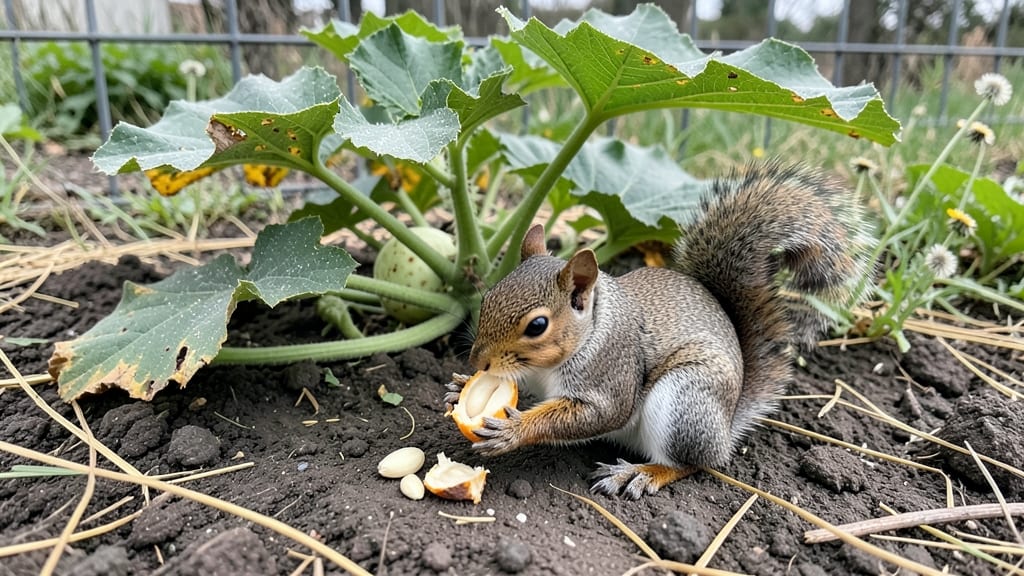
These seeds are a nutritional powerhouse for animals, packed with healthy fats and plant-based protein that help sustain them through colder months when food is scarcer. 🌰 Many creatures have evolved to detect pumpkin patches by scent, with birds like ducks often pecking at exposed seeds while mammals dig through soil or fallen vines.
The high oil content makes them especially valuable for animals building energy reserves before hibernation or migration.
Interestingly, some species like squirrels will even cache pumpkin seeds in hidden spots, creating natural seed banks that help spread pumpkin plants across ecosystems. This foraging behavior explains why gardeners often struggle to preserve seeds—wildlife has a built-in incentive to find and consume them.
💡 In This Article
- Natural Wildlife Foraging Behavior With Pumpkin Seeds
- Gardening Tips: Protecting Pumpkin Seeds From Wildlife
Natural wildlife foraging behavior with pumpkin seeds
Animals rely on their acute sense of smell to locate pumpkin seeds, with studies showing that squirrels can detect buried seeds from up to 3 feet away using their highly sensitive olfactory receptors.
The seeds emit a faint, earthy aroma when exposed, acting like a natural beacon for foraging creatures. 🌰 This scent detection becomes especially critical during late autumn when food sources dwindle, making pumpkin patches prime hunting grounds for wildlife.
Seasonal patterns dictate when animals target these seeds most aggressively. Birds like ducks and geese begin foraging as soon as pumpkins ripen in late September to October, while mammals such as raccoons and deer wait until the seeds are fully dried and easier to extract.
The high fat content—approximately 40-50% of a pumpkin seed's composition—makes them an ideal energy source for animals preparing for winter. This nutritional density often outweighs less calorie-rich alternatives like acorns or fallen fruits.
What makes pumpkin seeds particularly appealing is their combination of protein and healthy fats, which are harder to find in balanced form during colder months.
A single ounce of pumpkin seeds contains about 9 grams of protein and 15 grams of fat, providing sustained energy without the water weight of leafy greens or the digestive effort required for fibrous foods.
This nutritional profile explains why even small mammals like chipmunks and mice prioritize them over other available food sources.
The foraging process varies by species. Birds typically peck at exposed seeds, while mammals dig through soil or gnaw at pumpkin shells to access the interior. Some, like squirrels, will even transport seeds to hidden caches, creating accidental seed banks that help pumpkin plants spread.
This behavior highlights the ecological role these seeds play in maintaining biodiversity and plant propagation across ecosystems.
Interestingly, the texture of pumpkin seeds—hard outer shells enclosing soft, oily interiors—makes them uniquely accessible for different animals. A duck can crack open a seed with its beak, while a raccoon might use its dexterous paws to extract them from rotting pumpkins.
This adaptability ensures that multiple species can exploit the same food source without direct competition, demonstrating nature's efficient design.
One fascinating adaptation is how animals time their foraging to maximize seed availability. Deer, for example, often return to pumpkin fields in November and December when seeds have fully dried and fallen to the ground.
This delayed consumption strategy ensures they get the most nutritious seeds while avoiding competition with earlier foragers like birds.