
Vegetables
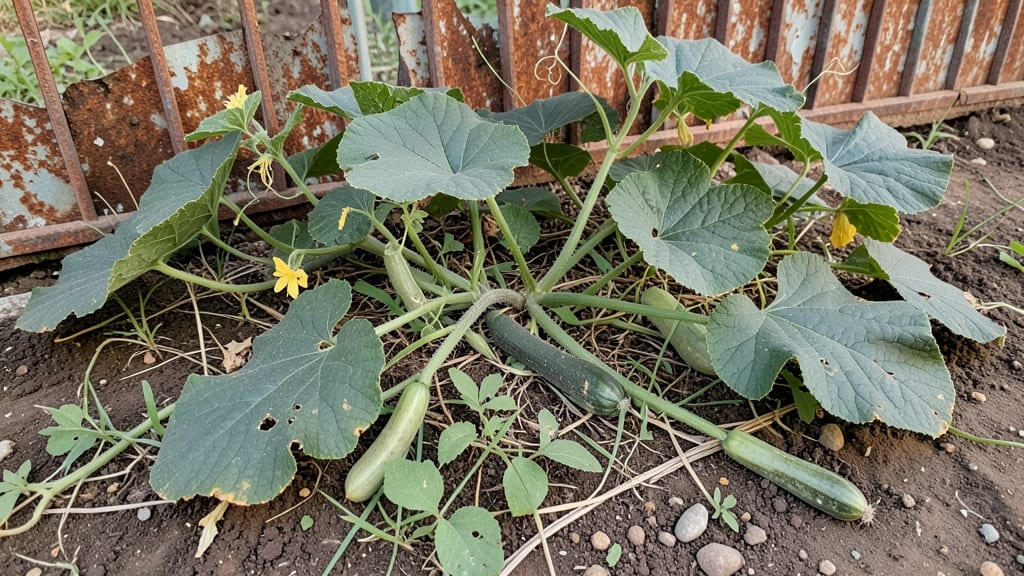
Cold-stratifying your vining cucumber seeds cuts germination time in half—no more waiting weeks for those first green shoots to appear. 🌱 I learned this trick after struggling with slow starts in past seasons, and now my cucumbers pop up consistently within 5-7 days instead of dragging out for two weeks.
The secret lies in mimicking winter's natural chilling process, which primes the seeds to burst into action when spring warmth arrives.
You only need a few simple supplies: a damp paper towel, a sealed plastic bag, and your fridge's crisper drawer. No fancy equipment or complicated steps—just let nature do the heavy lifting while you handle the easy part.
This method works especially well for heirloom varieties that often lag behind hybrid seeds, giving you a head start on the growing season that makes all the difference in warmer climates.
What you'll end up with are stocky, disease-resistant seedlings that outpace store-bought starts and produce earlier, more abundant fruit. Those first vines will climb trellises with surprising vigor, and you'll be harvesting crisp cucumbers weeks before neighbors even plant their seeds.
The payoff comes when your plants hit the ground running instead of struggling to catch up.
This technique adapts perfectly to both indoor starts and direct sowing schedules, making it ideal for gardeners in zones 3-10. Whether you're dealing with short growing seasons or just impatient to eat homegrown cucumbers, cold-stratification delivers reliable, fast results—no matter where you live or when you plant.
📚 In This Guide
- What you need
- Instructions
- Tips and common mistakes
- Wrapping up and next steps
What you need
- ● Vining cucumber seeds: 10–20 seeds (choose a variety like ‘Straight Eight,’ ‘Marketmore,’ or ‘Armenian’ for vining types).
- ● Seed-starting mix: 2–3 cups of sterile, well-draining potting soil (avoid garden soil—it’s too dense!).
- ● Small pots or seed trays: 2–4 biodegradable pots (2–3 inches deep) or a seed tray with cells.
- ● Plastic storage bag or humidity dome: 1 (to retain moisture during stratification).
- ● Spray bottle: 1 (for gentle watering).
- ● Refrigerator or cold stratification setup: A consistent 35–45°F (2–7°C) space (like a fridge crisper drawer).
- ● Labels & marker: To track seed varieties and dates.
- ● Grow lights or sunny windowsill: For post-stratification sprouting (12+ hours of light/day).
- ○ Heating mat: (Optional) To speed up germination after stratification.
- ● Seedling fertilizer: Diluted liquid fertilizer (like fish emulsion) for post-sprout care.
- ● Trellis or stakes: Early setup for vining cucumbers (if starting indoors).
Step-by-step instructions for cold-stratifying vining cucumber seeds
Here's the method I rely on to get cucumbers sprouting in just 3-5 days—no waiting weeks.
🌱 Step 1: Prepare the Seeds for Cold Treatment
Start by soaking the cucumber seeds in lukewarm water for 12 hours to soften the outer coating. This step is critical because it speeds up germination and prevents the stubborn seed shell from delaying sprouting. Use a small bowl or jar and let them sit in the water until they feel slightly plump to the touch.
After soaking, drain the water completely and wrap the seeds in a damp paper towel. Fold the towel so the seeds are snug but not compressed—think of it like wrapping a tiny seed burrito. Place this wrapped bundle inside a sealed plastic bag to maintain moisture. The goal is to keep the towel damp but not dripping wet, as excess moisture can lead to mold.
⏰ Step 2: Cold-Stratify for 48 Hours
Transfer the sealed bag to your refrigerator and store it on the middle shelf, where the temperature stays consistently between 34-40°F. This cold treatment mimics the natural winter period cucumbers experience in their native climates, breaking dormancy and jumpstarting growth. Check the seeds after 24 hours—they should still feel moist but not soggy.
Leave them in the fridge for a full 48 hours. You won’t see any visible changes yet, but this is where the magic happens. The cold shock signals the seeds to prepare for rapid germination. If you’re impatient, resist the urge to peek or adjust the setup—consistency is key here.
☀️ Step 3: Warm Up and Plant for Fast Germination
After the 48-hour cold treatment, remove the seeds from the fridge and let them sit at room temperature for 1 hour to acclimate. This gradual warm-up prevents shock and ensures a smooth transition to germination. While they warm, prepare your planting containers with moist seed-starting mix—fill them to 1 inch below the rim and press down lightly to create a firm, even surface.
Plant the seeds ½ inch deep in the prepared mix, spacing them 1 inch apart in each container. Cover them lightly with additional mix, then mist the surface with water until it’s evenly damp. Place the containers in a warm, bright spot—ideally near a south-facing window or under a grow light—to encourage rapid sprouting. You should see the first tiny shoots within 3-5 days.
💧 Step 4: Maintain Ideal Conditions for Sprouts
Once the seeds sprout, keep the soil consistently moist but never soggy—water when the top ½ inch feels dry to the touch. Avoid overwatering, as this can cause damping-off, a fungal disease that collapses young seedlings overnight. A spray bottle works best for gentle hydration, ensuring you don’t disturb the delicate sprouts.
Place the seedlings under a grow light or in full sun for 14-16 hours daily to prevent leggy growth. You’ll know they’re thriving when the first true leaves—small, rounded, and deep green—emerge. At this stage, thin the seedlings to the strongest one per container, snipping the weaker sprouts at the base with clean scissors.
Tips & tricks for perfect cold-stratified vining cucumber sprouts
Here's what nobody tells you about getting cucumbers to sprout faster—these tricks make all the difference between waiting weeks and seeing sprouts in days.
Soaking Secret: The 12-hour lukewarm water soak isn't just about hydration—it's about breaking the seed's natural dormancy. Use water that feels warm to your wrist (around 80°F) and add a drop of dish soap to reduce surface tension. This helps the water penetrate stubborn seed coats more effectively. After soaking, gently squeeze the seeds between paper towels to check for plumpness—they should feel slightly resistant, like a well-inflated balloon.
Cold-Stratification Precision: The 48-hour cold treatment at 34-40°F is non-negotiable for vining cucumbers. I use a refrigerator thermometer to verify the temperature since many fridges have cold spots. Place the bag on the middle shelf where it stays most consistent. Pro tip: If your fridge runs cooler (below 34°F), move the bag to the crisper drawer where it's slightly warmer. The seeds need this precise temperature range to mimic natural winter conditions without freezing.
Acclimation Matters: That 1-hour room temperature acclimation after cold treatment is where most people rush the process. I place the seeds on a warm counter near the oven (with oven off) to help them adjust gradually. This prevents thermal shock that could delay germination. While they warm, I prepare my planting containers by pressing the seed-starting mix firmly to eliminate air pockets—this creates an ideal environment for quick root establishment.
Lighting Strategy: For the 14-16 hours of daily light, I use a simple LED grow light on a timer rather than relying on windows. The key is keeping it 2-3 inches above the seedlings—closer than that can scorch tender leaves, while farther away leads to leggy growth. I rotate the containers daily to ensure even light exposure, which prevents seedlings from growing toward the light source and becoming lopsided.
Pro Tips for Vining Cucumber Seeds
- Here's what nobody tells you about getting cucumbers to sprout faster—these tricks make all the difference between waiting weeks and seeing sprouts in days.
- Soaking Secret: The 12-hour lukewarm water soak isn't just about hydration—it's about breaking the seed's natural dormancy.
- Cold-Stratification Precision: The 48-hour cold treatment at 34-40°F is non-negotiable for vining cucumbers.
Frequently asked questions
Got questions about growing vining cucumber seeds? You’re not alone! Here are some of the most common queries—and straightforward answers—to help you get started with confidence.
How long does cold-stratification take for vining cucumber seeds?
Cold-stratification typically takes 7–14 days for vining cucumber seeds. Place them in a damp paper towel or peat moss inside a sealed bag in the fridge (not the freezer). Check them every few days—once they sprout a tiny root (radicle), they’re ready to plant! Pro tip: Avoid over-moistening to prevent mold.
Can I skip cold-stratification for vining cucumbers?
Technically, yes—but expect slower germination (sometimes weeks longer!). Cold-stratification mimics winter conditions, breaking seed dormancy for faster, stronger sprouts. If you’re impatient, try soaking seeds in warm water for 24 hours first, but stratification still yields better results for vining varieties.
What’s the best temperature for germinating cold-stratified seeds?
Once sprouted, keep seeds warm (70–85°F) in a sunny window or seedling heat mat. Vining cucumbers thrive in heat, so avoid drafts or cold snaps. If your home is chilly, a grow light can help maintain consistent warmth until transplanting outdoors.
How do I know if my vining cucumber seeds are bad?
Test viability by filling a glass with water—floaters are likely dead, while sinkers may still sprout. For older seeds, try the paper towel test: fold damp paper towels around seeds in a bag, seal, and check for sprouts in 3–5 days. If <10% sprout, replace your seed pack!
What’s the difference between vining and bush cucumber seeds?
Vining cucumbers (e.g., Marketmore, Straight Eight) grow 6–20 feet and need trellises, while bush varieties (e.g., Bush Champion) stay compact (<5 feet). Vining types often produce longer, straighter fruits but require more space. Choose based on your garden layout!
Why aren’t my cold-stratified seeds sprouting?
Check these fixes:
- Moisture: Seeds need consistent dampness—not soggy. Re-moisten if dry.
- Temperature: Too cold (<40°F) stalls growth; too warm (>85°F) can rot seeds.
- Age: Seeds lose viability after 5+ years. Try fresh packets.
- Light: Some seeds need darkness to sprout—cover with a damp cloth if needed.
Wrapping up and next steps
Growing vining cucumber seeds with cold stratification is a game-changer for gardeners eager to see faster, healthier sprouts and bountiful harvests! 🌱 By mimicking nature’s timing, you’ll unlock stronger roots and earlier growth—no guesswork required.
Whether you’re a seasoned green thumb or just starting, this method makes seed-starting simpler and more rewarding.
Ready to level up your garden? Grab your seeds, follow the steps, and watch those vines thrive! Next, plant with confidence—then sit back and enjoy the crisp, homegrown cucumbers you’ve earned. 🥒✨