Vegetables
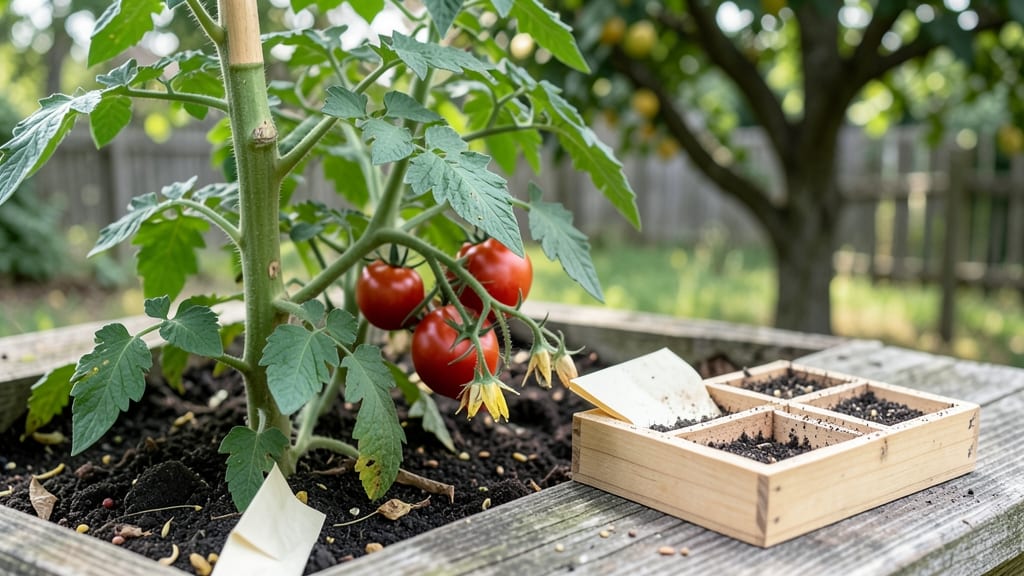
Storing tomato seeds properly means saving next year’s harvest before it even ripens. 🌱 I’ve learned the hard way that damp, unlabeled seeds in a random drawer don’t cut it—these seeds need a little science to stay fresh.
The fermentation trick isn’t just about drying; it’s about breaking down that slimy gel to isolate the cleanest seeds possible, ready to sprout like champions.
You’ll need just three things: ripe tomatoes, a jar or bowl, and a dark, cool spot for drying. The process takes about a week from start to finish, but the payoff is seeds that stay viable for 3-5 years if stored right.
Most people skip the fermentation step, and that’s why their seeds either mold or fail to germinate—don’t let that be you.
Once you’ve got your clean, dry seeds, storing them in airtight containers with a silica packet keeps moisture out. Label each one with the variety and date—trust me, you’ll forget by spring.
Test a few seeds in damp paper towels before planting to confirm they’re still good; if they sprout within 5-7 days, you’re golden.
This method works for heirloom, cherry, and beefsteak tomatoes alike, and it’s foolproof even for beginners. No more wasted seeds or last-minute store runs—just a year-round supply of your favorite varieties, ready to grow whenever you are.
📚 In This Guide
- What you need
- Instructions
- Tips and common mistakes
- Wrapping up and next steps
What you need
- ● Mature tomato seeds: Harvest from fully ripe, healthy tomatoes (avoid hybrid varieties labeled "F1" if you want true-to-type seeds). Aim for at least 5–10 tomatoes for a good seed yield.
- ● Small fermentation container: A clean glass jar (8–16 oz) or plastic container with a lid (avoid metal to prevent reactions).
- ● Water: Distilled or dechlorinated water (1–2 cups) to create a seed slurry.
- ● Fine-mesh strainer or cheesecloth: For rinsing seeds after fermentation (a paper coffee filter works too!).
- ● Paper towels or seed-saving envelopes: To dry seeds completely (use unbleached, acid-free paper to prevent mold).
- ● Labeling supplies: Permanent marker or labels (write the tomato variety and date!).
- ● Hydrogen peroxide (3% solution): 1–2 drops per cup of water to disinfect seeds and speed up fermentation.
- ● Fan or dehydrator: For faster drying if you’re impatient (set to low heat, below 90°F).
- ● Air-tight seed storage containers: Small glass vials with desiccant packets or mylar bags for long-term viability.
- ● Notebook: To track germination rates, varieties, and storage conditions.
Step-by-step instructions for storing tomato seeds using the fermentation method
Here’s the foolproof way to save seeds with maximum viability—no fancy equipment needed.
🌱 Step 1: Extract Seeds from Ripe Tomatoes
Pick a fully ripe tomato from a healthy plant—one that’s deep red or its natural mature color. Slice it open and scoop out the jelly-like pulp and seeds into a clean bowl. Avoid tomatoes treated with growth regulators, as they may affect seed viability.
Mash the pulp gently with a spoon, breaking up the gel but leaving seeds intact. Add 1 cup of water to the bowl and stir well. Let the mixture sit for 2-3 days in a warm spot (around 70-75°F). You’ll see bubbles forming—this is fermentation at work, which helps separate viable seeds from the pulp.
💧 Step 2: Ferment and Separate Viable Seeds
After 2-3 days, stir the mixture again. The good seeds will sink to the bottom, while bad seeds and debris will float. Pour the mixture through a fine-mesh strainer or cheesecloth, letting the water and pulp drain away. Rinse the seeds gently with clean water to remove any remaining gel.
Spread the seeds on a paper towel to dry for 3-5 days in a warm, dry place. Stir them occasionally to prevent clumping. Once fully dry, they’ll look wrinkled and hard—this means they’re ready for storage. If they still feel damp after a week, let them dry longer.
☀️ Step 3: Store Seeds for Long-Term Viability
Transfer the dried seeds into a small, airtight container—like a glass jar or envelope. Label it with the tomato variety and the date. Store the container in a cool, dark place, like a pantry or refrigerator. Under ideal conditions, tomato seeds can stay viable for 4-6 years, though germination rates drop after 2-3 years.
Check the seeds annually for moisture or pests. If you notice any dampness, transfer them to a new container immediately. Properly stored seeds will keep their vigor until you’re ready to plant them next season.
⏰ Step 4: Test Seed Viability Before Planting
Before sowing, test a few seeds by planting them in a small pot with moist potting mix. Place the pot in a warm spot and keep the soil consistently damp. If 70-80% of seeds germinate within 10-14 days, your stored seeds are still strong. If germination is slow or weak, consider saving fresh seeds from this year’s harvest.
This simple test ensures you’re not wasting time or resources on seeds that may not perform well. If the seeds fail to sprout, try storing a new batch using the same method—sometimes environmental factors affect viability.
Tips & tricks for perfect tomato seed storage
A few clever techniques will help you maximize seed viability and save time in the process.
Fermentation Temperature: The 70-75°F range is ideal for fermentation, but don't stress if your kitchen isn't perfectly warm. I've had great results with fermentation happening naturally at room temperature (around 68°F), just allow an extra day or two. The key is watching for bubbles and separation rather than relying strictly on the clock.
Seed Separation Hack: After the 2-3 day fermentation, I've found using a small colander with fine holes works better than cheesecloth for separating seeds. The colander lets water drain faster while still catching tiny seeds. Just be patient—rinsing seeds thoroughly is crucial to remove all gel that could cause mold during storage.
Drying Strategy: For consistent drying, place your paper towel with seeds on a baking sheet in a single layer. Prop the sheet slightly elevated on small books or blocks to allow airflow underneath—this prevents moisture buildup that can cause seeds to stick together. Stirring every 12 hours helps too, even if it seems unnecessary at first.
Storage Container Options: While glass jars are ideal, you can also use small envelopes or even folded paper inside a ziplock bag for short-term storage. Just make sure whatever container you choose is completely dry before adding seeds. I've had success with coin envelopes from craft stores—they're perfect for labeling different tomato varieties.
Pro Tips for Storing Tomato Seeds
- A few clever techniques will help you maximize seed viability and save time in the process.
- Fermentation Temperature: The 70-75°F range is ideal for fermentation, but don't stress if your kitchen isn't perfect...
- Seed Separation Hack: After the 2-3 day fermentation, I've found using a small colander with fine holes works better ...
Frequently asked questions
Got questions about storing tomato seeds? You’re not alone! Here are answers to the most common queries to help you master seed-saving like a pro.
How long can I store tomato seeds before they lose viability?
Properly stored tomato seeds remain viable for 3–5 years in ideal conditions (cool, dry, and dark). However, germination rates drop after 1–2 years. For best results, label seeds with the harvest date and test a few each year to monitor freshness.
Do I need to ferment tomato seeds, or can I dry them directly?
While you can dry seeds without fermenting, fermentation (2–4 days in a jar) removes gelatinous coatings, boosts germination rates, and reduces mold risk. Skip fermentation only if you’re short on time—but expect slightly lower success rates, especially with heirloom varieties.
What’s the best way to dry tomato seeds to avoid mold?
Spread seeds on a paper towel or screen in a warm, dry spot (70–80°F) for 3–5 days, stirring occasionally. Avoid plastic containers—humidity is mold’s best friend! If seeds smell funky or feel damp after drying, repeat the process or store them in a desiccant packet.
Can I store tomato seeds in the fridge or freezer for longer shelf life?
Yes! For extended storage, place dried seeds in an airtight container (like a glass jar) with a silica gel packet and store in the fridge (up to 5 years) or freezer (up to 10+ years). Label clearly—frozen seeds thaw best at room temp before planting.
What do I do if my stored seeds won’t germinate?
First, check for moisture damage (musty smell = toss ‘em). If seeds are dry but stubborn, try stratification (mix with damp paper towels, refrigerate 1–2 weeks). For stubborn varieties, soak seeds in hydrogen peroxide (3%) for 10 minutes to kill lingering pathogens before planting.
Still stumped? Drop your seed-saving struggles in the comments—we’re happy to help!
Wrapping up and next steps
Storing tomato seeds through fermentation is a simple yet powerful way to preserve genetic purity and ensure strong, healthy plants for next season. By letting nature do the work—fermenting seeds in water—you unlock a cost-effective, eco-friendly method that beats store-bought alternatives every time.
Whether you're a seasoned gardener or just starting, this trick is your secret weapon for reliable, high-quality seeds year after year.
Now that you’re armed with the know-how, why not try it this season? Grab a ripe tomato, follow the steps, and watch your garden thrive with heirloom vigor. Ready to grow? Start fermenting your seeds today and take pride in your self-sustaining harvest! 🌱