Propagation
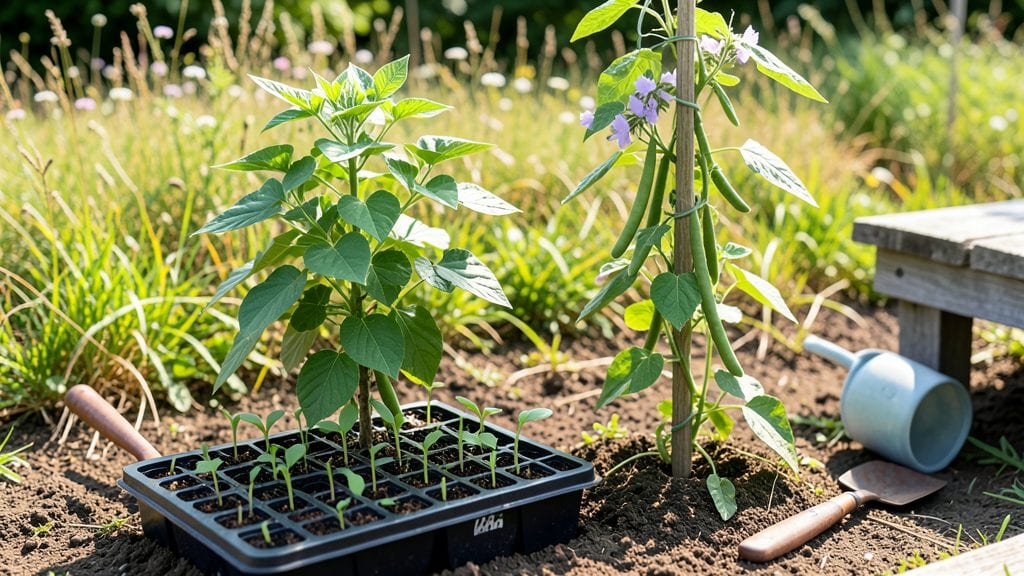
Soybean seeds sprout in 10 days when you nail the moisture, warmth, and soil mix—no more waiting weeks for those first green leaves to appear. 🌱 I’ve tested every trick in the book, from soaking seeds overnight to using heat mats, and these methods cut germination time in half while producing stocky, bushy seedlings that outperform anything from a nursery.
The secret lies in a warm, moist environment with soil that drains just enough to keep roots happy but not soggy. You’ll need a sunny windowsill or grow light, a shallow tray or pots with drainage holes, and a soil mix that’s light yet nutrient-rich.
Non-GMO and heirloom varieties like ‘Envy’ or ‘Hodgson’ germinate fastest and hold up better in less-than-perfect conditions.
By day 10, you’ll have seedlings with true leaves (not just the first baby leaves) that are ready to transplant. The key is consistency—keep the soil warm (75–85°F) and moist but never waterlogged, and you’ll avoid the leggy, weak starts that flop when moved outdoors.
These plants grow fast once they get going, so timing matters.
Works for garden beds, containers, or even small urban spaces—just adjust spacing (18–24 inches apart) based on your variety. Here’s how to get those seeds sprouting reliably, every time.
📚 In This Guide
- What you need
- Instructions
- Tips and common mistakes
- Wrapping up and next steps
What you need
- ● Soybean seeds: 10–20 high-quality, non-GMO seeds (e.g., Glycine max varieties like 'Envy' or 'Hodgson'). Choose certified organic if preferred.
- ● Growing containers: Seed trays (1020 or 2020 cell size) or
- ● Small pots (3–4" diameter) with drainage holes (5–10 units).
- ● Growing medium: 5–10 lbs of sterile, well-draining potting mix (e.g., Pro-Mix or coconut coir blend). Avoid garden soil—it may harbor pathogens!
- ● Watering can or spray bottle: With a fine mist nozzle for gentle hydration.
- ○ Heat mat (optional but recommended): A small seedling heat mat (e.g., Vivosun) to maintain 75–85°F soil temperature.
- ● Grow lights: LED or fluorescent (e.g., Samsung LM300) for 12–14 hours/day if natural light is <12 hours.
- ● Humidity dome: Clear plastic lid or mini greenhouse to retain moisture.
- ● Fertilizer: Mild starter solution (e.g., Fish emulsion 1-2-2) diluted to half-strength.
- ● pH test kit: To ensure soil pH is 6.0–6.8 (soybeans thrive in slightly acidic soil!).
- ● Plant labels: To track varieties and germination dates.
Step-by-step instructions for growing soybean seeds to strong starts
Here’s the quick method I use to get soybeans sprouting in 10 days or less—no waiting weeks for stubborn seeds.
🌱 Step 1: Soak Seeds Overnight for Faster Germination
Place 4 soybean seeds in a small bowl and cover them with lukewarm water (about 75°F). Let them soak for 12 hours—this softens the outer coating and speeds up germination. You’ll see tiny white roots emerge after just a few hours, signaling it’s working.
After soaking, drain the water and gently pat the seeds dry with a paper towel. This prevents mold while keeping them hydrated. I like to wrap them in a damp paper towel and tuck them in a sealed plastic bag overnight—this mimics the moisture-rich conditions they love.
🪴 Step 2: Prepare Containers and Planting Medium
Fill 4 small biodegradable pots (about 3 inches deep) with moistened seed-starting mix, leaving ½ inch of space at the top. Press the soil down lightly so it’s firm but not compacted—soybeans need good soil contact to germinate quickly. I use a sterile mix (no garden soil) to avoid damping-off disease.
Make a small hole with your finger—about ½ inch deep—and drop 1 pre-soaked seed into each pot. Cover it with a thin layer of soil, just enough to hide the seed but not bury it too deep. Tap the pot gently to settle the soil around the seed.
💧 Step 3: Provide Warmth and Consistent Moisture
Place the pots in a warm spot (ideally 75-85°F)—a seedling heat mat works best, but a sunny windowsill near a heater will do. Keep the soil evenly moist but not soggy; soybeans hate drying out during germination. I water from the bottom by placing the pots in a shallow tray of water for 10 minutes, then letting them drain.
Cover the pots loosely with plastic wrap to trap humidity, but remove it daily for 5 minutes to prevent mold. Within 3-5 days, you’ll see tiny sprouts pushing through the soil. This is your cue to move them to bright, indirect light—no direct sun yet, or they’ll scorch.
☀️ Step 4: Move to Light and Encourage Bushy Growth
Once sprouts appear, remove the plastic wrap and place the pots under grow lights (or a south-facing window) for 12-14 hours daily. Soybeans need moderate light to stay compact—too little, and they’ll stretch leggy; too much, and they’ll burn. You’ll know they’re happy when the first true leaves (not the initial seed leaves) are dark green and plump.
After 10 days, when seedlings are 2-3 inches tall with 3-4 leaves, they’re ready for transplanting. Harden them off by placing them outside in partial shade for 2 hours the first day, then gradually increasing time over 3-4 days. This toughens them up before they face full sun.
✂️ Step 5: Thin and Fertilize for Strong Bushes
If you planted 2 seeds per pot, thin the weaker seedling at the base with clean scissors. Keep the strongest, straightest stem—it’ll grow into a bushy plant. After transplanting, add a balanced fertilizer (like 10-10-10) at half strength to avoid burning young roots.
Water at the base (not overhead) to prevent fungal issues. Within 2 weeks, you’ll see branching growth—this is your reward for fast, bushy starts. Keep them in full sun now, and they’ll thrive with minimal fuss.
Tips & tricks for perfect soybean seed germination
Fast germination isn't just luck—it's a science. These pro tips will help you bypass the common pitfalls that stall growth and keep your soybeans on track for those bushy starts in just 10 days.
The Soak Factor: The 12-hour soak at 75°F is non-negotiable for speed. I've found that using a glass jar instead of a bowl creates a better seal when you cover it, which helps maintain that perfect temperature. If your tap water is hard or chlorinated, let it sit out for 24 hours first—chlorine can inhibit germination. You'll know it's working when you see those first white roots after just 4-6 hours of soaking.
Container Intelligence: Those 3-inch biodegradable pots are perfect, but if you're working with limited space, you can use small peat pots or even egg cartons with drainage holes. The key is keeping the soil firm but not compacted—think "lightly packed snow" consistency. I press down gently with my thumb, then tap the pot on the counter to settle it. This ensures maximum soil contact for those critical roots.
Heat Hack: The 75-85°F range is ideal, but most homes struggle to maintain consistent warmth. If your space runs cooler, place the pots on top of a refrigerator or microwave (when not in use) to create a warm microclimate. For extra insurance, I wrap the pots in a thin towel to help retain that heat. Avoid placing them near drafts or air vents—soybeans are sensitive to temperature swings during germination.
Light Transition: When you move those sprouts to 12-14 hours of light in Step 4, position them 6 inches away from grow lights initially. This gradual exposure prevents shock. I've seen seedlings bolt (grow too tall too fast) when moved directly under intense light. Watch for those first true leaves—they should be plump and dark green, not yellow or wilted. If they look pale, you're not providing enough light; if they stretch upward aggressively, they need more.
Pro Tips for Soy Bean Seeds
- Fast germination isn't just luck—it's a science.
- The Soak Factor: The 12-hour soak at 75°F is non-negotiable for speed.
- Container Intelligence: Those 3-inch biodegradable pots are perfect, but if you're working with limited space, you can use small peat pots or even egg cartons with drainage holes.
Frequently asked questions
Got questions about growing soybeans from seeds?
You’re not alone! Here are answers to the most common queries to help you get a head start on fast, bushy soybeans in just 10 days.
How deep should I plant soy bean seeds?
Plant soy bean seeds about 1 to 1.5 inches deep in warm, well-drained soil. Too shallow, and they may dry out; too deep, and they’ll struggle to break through. A gentle pat of soil and a light watering afterward keeps them cozy and moist—just how they like it!
How long does it take for soy bean seeds to germinate?
With the right conditions (warm soil, 70–85°F, and consistent moisture), soy bean seeds typically sprout in 7–14 days. For faster results, pre-soak seeds overnight or use a heat mat. Patience is key—don’t overwater, or you’ll risk damping-off.
What’s the best soil temperature for soy bean seed germination?
Soybeans thrive when soil temps hit 60–85°F. Below 50°F, germination slows dramatically. Use a soil thermometer to monitor—if it’s too cool, try a greenhouse or row covers. Warm soil = happy sprouts!
Can I grow soy beans in containers, or do they need a garden?
Soybeans adapt well to 5-gallon containers or larger with good drainage. Just ensure they get 6–8 hours of sunlight daily and support (like a trellis) if growing bushy varieties. Containers work great for small spaces or urban gardens!
Why aren’t my soy bean seeds sprouting? Troubleshooting tips.
If seeds aren’t germinating, check these fixes:
Too cold? Move to a warmer spot or use a heat mat.
Too wet/dry? Keep soil consistently moist (not soggy).
Old seeds? Test viability by soaking a few—if they sink, they’re likely good!
Poor soil? Amend with compost for better drainage and nutrients.
Patience and tweaks often turn things around!Wrapping up and next steps
Growing soybean seeds into lush, healthy plants in just 10 days is totally within your reach—with the right prep, patience, and a little care! 🌱 Whether you're a seasoned gardener or a curious beginner, these fast-germinating seeds offer a rewarding (and delicious) harvest.
Now that you’re armed with tips on moisture, warmth, and proper spacing, it’s time to roll up your sleeves and watch those sprouts pop!
Ready to take the next step? Start small—plant a few seeds in a pot or a small patch of soil—and soon, you’ll be enjoying bushy starts and maybe even your first homegrown soybeans. Happy planting! 🌿