Propagation
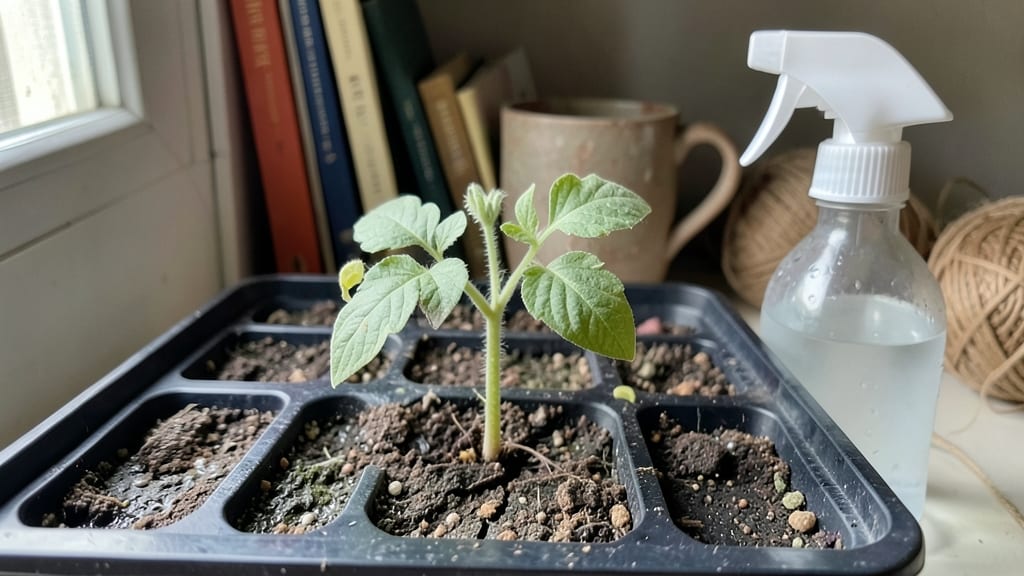
Seeds not germinating can turn your gardening dreams into a frustrating guessing game—until you know the real culprits. 🌱 I’ve watched trays of seeds go from hopeful to heartbreaking, and the fixes are simpler than you’d think.
Most failures come down to three things: moisture that’s either too much or too little, temperatures that are off by just a few degrees, and seeds that might be past their prime.
The good news? You can troubleshoot like a pro with just a few tools: a spray bottle for gentle watering, a seedling heat mat for consistency, and a simple viability test (soak seeds overnight—if they swell, they’re good).
I’ve saved entire seed packets this way, and you can too. The key is checking each factor one at a time, starting with the easiest fixes first.
By the end, you’ll have a system that turns 90% of your seeds into strong sprouts within 7-14 days, no matter the variety. Picture trays full of tiny green hooks breaking through soil—consistently. The secret isn’t luck; it’s methodical adjustments. Let’s get those seeds working for you.
This works for veggies, flowers, and herbs alike, whether you’re starting in a sunny windowsill or under grow lights. The same principles apply to both indoor and outdoor sowing, so you’ll never waste another seed packet again. Ready to dig in?
Hidden Barriers to Seed Sprouting
Seeds are tiny powerhouses of life, but even the hardiest ones need the right conditions to break dormancy and sprout. When your seeds refuse to germinate, the culprit is often one (or more) of these unseen challenges—each rooted in science and solvable with the right adjustments.
Let’s dig into the real reasons your seeds are playing hard to grow.
Seeds have an optimal temperature range—usually between 60–85°F (15–30°C), depending on the species. Stray outside this zone, and germination grinds to a halt.
- Too cold: Metabolism slows, enzymes stall, and the seed stays dormant. Example: Cool-season crops like lettuce or peas may need 50–65°F (10–18°C), while tropical seeds (like basil) won’t budge below 70°F (21°C).
- Too hot: Enzymes denature, and the seed’s delicate biochemical processes shut down. Above 90°F (32°C) can cook the embryo alive.
- Fluctuations: Wild swings (e.g., daytime heat + nighttime chill) confuse the seed, delaying or preventing germination.
Fix it: Use a seedling heat mat for warmth, or place trays in a consistently warm spot (like near a fridge’s back panel, which stays ~70°F). For cold-sensitive seeds, try a bottom-watering tray with a clear lid to trap heat.
Water is the spark that ignites germination—but too much or too little can smother it. Seeds need constant moisture (not soggy conditions) to activate enzymes and soften the seed coat.
- Underwatering: The seed stays dry, and metabolic processes can’t start. Sign: Soil feels dry at the top even if the bottom is damp.
- Overwatering: Oxygen is crowded out, leading to anaerobic conditions (rot before sprouting). Sign: Seeds turn mushy or develop mold.
- Improper contact: Water bypasses the seed entirely (e.g., planted too deep or on top of dry soil).
Fix it:
- Use the "sponge method": Soak a paper towel in water, wring it out until damp (not dripping), and sandwich seeds between two layers.
- For soil: Water just until the top inch is moist—like a wrung-out sponge. Use a spray bottle for delicate seeds.
- Avoid bottom-watering for tiny seeds (e.g., carrots, parsley)—they need direct contact with moisture.
Seeds aren’t immortal. Over time, their embryos degrade, cell membranes weaken, and stored nutrients (like oils or starches) break down. Even if the packet says "non-GMO" or "organic," age kills germination.
- Old seeds: Most lose viability within 1–5 years, depending on the type. Examples:
- Beets: 4–5 years
- Tomatoes: 2–4 years
- Parsley: Just 1–2 years!
- Poor storage: Heat, humidity, or light accelerate aging. A seed stored in a hot garage may die in months.
- Damaged seeds: Cracked coats or mold (from damp storage) block water uptake.
Fix it:
- Check the packaging date—if it’s older than the seed’s typical lifespan, test a few first.
- Store seeds in a cool (50–60°F), dark, dry place (like a sealed jar in the fridge). Add a silica gel packet to absorb moisture.
- For heirloom seeds, plant a small batch to test viability before committing to a garden.
Many seeds have evolutionary survival tricks to wait for the perfect conditions. Without breaking these "dormancy" barriers, your seeds may sit like a time bomb—waiting for a trigger they’ll never get.
- Physical dormancy: A hard, impenetrable seed coat blocks water. Examples: Peanuts, some beans, and lupines.
- Chemical dormancy: Growth-inhibiting compounds (like abscisic acid) keep the embryo asleep. Examples: Apples, cherries, and poinsettias.
- Physiological dormancy: The embryo itself is underdeveloped and needs time (or cold) to mature. Examples: Eucalyptus, some perennials.
- Combination dormancy: Multiple barriers (e.g., maple seeds need both scarification and cold stratification).
Fix it:
- Scarification: Scratch the seed coat with sandpaper or soak in hot water (160°F for 24 hours).
- Stratification: Mimic winter by refrigerating moist seeds in a damp paper towel for 4–12 weeks (e.g., apple, peach, or lilac seeds).
- Cold therapy: For physiologically dormant seeds, try 30–90 days in the fridge before planting.
Some seeds need light to germinate, while others rot in sunlight. Confusing the two is a fast track to failure.
- Light-dependent seeds: Need sunlight or near-surface planting to trigger germination. Examples: Lettuce, spinach, and petunias.
- Darkness-dependent seeds: Buried too shallow or exposed to light, they won’t sprout. Examples: Beans, peas, and tomatoes.
- Sensitive seeds: Some (like carrots) need both—light to break dormancy then darkness to grow.
Fix it:
- Test viability first: Do a quick float test—drop seeds in water. If they sink, they’re likely still good. If they float, toss them.
- Buy fresh seeds: Opt for packets labeled with a recent harvest date (ideally within the last year for most veggies).
- Store seeds properly: Keep them in a cool, dry place (like a sealed container in the fridge) to extend their shelf life.
- Bottom-watering method: Place your seed tray in a shallow dish of water for 10–15 minutes, then drain excess. This keeps soil evenly moist without soggy clumps.
- Use a spray bottle: Gently mist the soil surface to avoid displacing seeds.
- Check soil moisture: Stick your finger ½ inch into the soil—it should feel damp, like a wrung-out sponge.
- Use a heat mat: Place a seedling heat mat under trays to maintain consistent warmth.
- Choose the right spot: South-facing windowsills or a warm kitchen counter work well. Avoid drafty areas.
- Adjust for cool-season crops: If planting carrots or peas, keep soil temps below 70°F for best results.
- Follow the rule: Plant seeds at a depth 2–3 times their width (e.g., a ¼-inch seed goes ½-inch deep).
- Light-sensitive seeds: Some (like lettuce) need just a sprinkle of soil—check the packet!
- Use fine soil or vermiculite: Mix in perlite or coconut coir to improve drainage if seeds are planted too deep.
- Use seed-starting mix: A lightweight, sterile blend (like coconut coir + perlite) gives seeds the best start.
- Loosen soil: Fluff the mix with your fingers before planting to avoid compaction.
- Add compost tea: Boost microbial activity by soaking soil in diluted compost tea before sowing.
- Track germination times: Check the seed packet—some take 5–7 days, others up to 30!
- Keep soil warm and moist: Speed up germination with a heat mat and humidity dome.
- Avoid disturbing seeds: Resist the urge to replant or check daily—consistency is key.
- Label everything: Track seed types, planting dates, and conditions.
- Test soil pH: Most seeds prefer slightly acidic soil (pH 6.0–7.0). Use a simple test kit.
- Rotate crops: Avoid planting the same family (like tomatoes) in the same spot yearly to prevent disease buildup.
Fixing Stubborn Seedling Issues
Now that you know the most common reasons why your seeds aren’t germinating, let’s tackle them head-on with practical, step-by-step solutions. Whether your seeds are too old, buried too deep, or struggling with moisture, these fixes will help you coax life from your stubborn starters.
Problem: Seeds lose viability over time, especially if exposed to heat, humidity, or poor storage. Solution:
Prevention Tip: 💡 Label seed packets with the purchase date and store them in airtight containers with silica gel packets to absorb moisture.
Problem: Seeds need consistent moisture but can drown if overwatered or dry out if neglected. Solution:
Prevention Tip: 🌡️ Use a humidity dome (a clear plastic lid) for the first week to retain moisture, then remove it to prevent mold.
Problem: Most seeds germinate best in warm (65–85°F) conditions, but some need cooler temps (like lettuce). Solution:
Prevention Tip: ✨ Monitor temps with a small thermometer—ideal germination temps vary by seed type (check the packet!).
Problem: Seeds buried too deep won’t reach light, while shallow planting can dry them out. Solution:
Pro Tip: 🔥 For tiny seeds (like basil), press them into the soil lightly—don’t bury them!
Problem: Dense, chemical-free soil can suffocate seeds, while sterile mixes lack beneficial microbes. Solution:
Prevention Tip: 🎯 Sterilize homemade soil by baking it at 180°F for 30 minutes to kill fungi/bacteria.
Problem: Some seeds (like okra or peppers) take weeks to sprout, while impatient gardeners give up too soon. Solution:
Encouragement: 🌱 If nothing sprouts in 2–3 weeks, your seeds may be dead. Don’t waste time—start fresh!
With these fixes, your seeds should be sprouting in no time! Remember, every gardener faces this—even the pros. The key is adjusting one variable at a time and learning from each try. Happy growing! 🌱🌿
Frequently asked questions
Why do my seeds stay hard even after watering?
Hard seeds often suffer from physical dormancy—a tough outer coat blocking water. Try scarification by gently sanding the seed coat with fine-grit sandpaper or soaking in hot water (160°F for 24 hours). For stubborn cases like peanuts, a quick nick with a knife can work too.
Can I still save seeds that smell musty or look moldy?
No, discard them immediately. Mold indicates fungal contamination, which can spread to healthy seeds. Always store seeds in cool, dry conditions (like a sealed jar in the fridge) with a silica gel packet to prevent this. Fresh seeds from reputable suppliers are your best bet.
How do I know if my seeds are too old to germinate?
Test viability with the float test: Drop seeds in water—if they float, they’re likely dead. For a more precise check, place 10 seeds between damp paper towels in a sealed bag at 70°F for 7 days. If fewer than 5 sprout, replace your seed packet.
Should I use a heat mat for all seeds, or just certain types?
Heat mats help warm-season crops (tomatoes, peppers, basil) that need 70–85°F to germinate. Cool-season seeds (lettuce, peas) may rot in heat—keep them at 50–65°F. Always check your seed packet for ideal temps before using a heat mat.
What’s the fastest way to tell if my seeds need light or darkness to sprout?
Check the seed packet—most list light requirements. As a quick test, plant half the seeds just under ¼-inch of soil and half 1-inch deep. If the shallow ones sprout first, they’re light-dependent (like lettuce). If deep ones win, they prefer darkness (like beans).