
Pruning
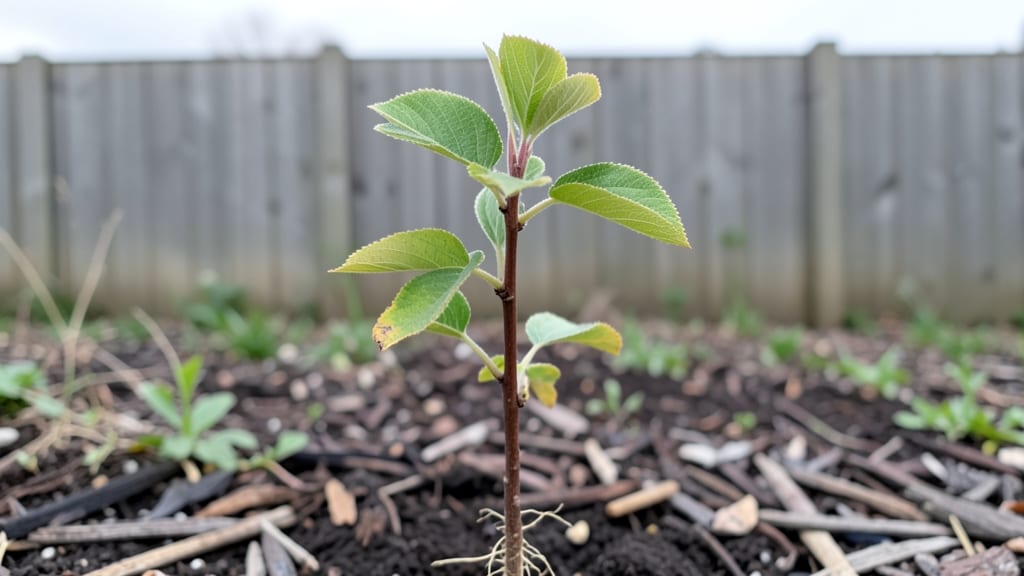
Growing a seedling cherry tree from scratch means you’ll have fresh fruit in 4-6 years instead of waiting a decade for a nursery tree. 🌱 I learned the hard way that cherry seedlings need patience, but the payoff—juicy fruit straight from your yard—makes it worth every season of waiting.
The key isn’t just planting; it’s understanding how light, soil, and pruning shape a tree that actually bears fruit.
You’ll need a sunny spot with at least 6 hours of direct light daily, well-draining soil mixed with compost, and a 5-gallon container for the first year if transplanting. Sweet cherries like Bing or Rainier need cross-pollination, while sour varieties like Montmorency thrive alone.
My first tree nearly died from overwatering—now I check soil moisture before watering, and the roots stay happy.
By year three, you’ll prune to shape the tree and remove weak branches, ensuring strong growth. The first blooms might not produce fruit, but each year after that brings sweeter rewards. With the right care, your backyard becomes a cherry orchard, and neighbors start asking for tips instead of fruit.
Works in zones 5-9, though sour cherries handle colder winters better. If you’re in a hotter climate, drip irrigation and afternoon shade help prevent stress. The real secret? Consistency—cherry trees reward patience with fruit that tastes like childhood summers.
📚 In This Guide
- What you need
- Instructions
- Tips and common mistakes
- Wrapping up and next steps
What you need
- ● Seedling cherry tree: Choose a Prunus avium or Prunus cerasus variety (dwarf, semi-dwarf, or standard) from a reputable nursery. Ensure it’s disease-resistant if your climate is prone to fungal issues.
- ● Well-draining soil: A mix of 60% topsoil, 30% compost, and 10% perlite/sand (for young roots). Test soil pH (ideal: 5.5–6.5).
- ● Organic mulch: 2–3 inches of wood chips, straw, or shredded bark (keep mulch 3–4 inches away from the trunk to prevent rot).
- ● Slow-release fertilizer: 10-10-10 NPK or 5-10-10 blend (apply ¼ cup per year of tree age in early spring).
- ● Watering can or hose with a gentle spray nozzle: 5–10 gallons per watering for seedlings (deep soak 1–2 times per week in dry climates).
- ● Shovel or trowel: For digging holes (2–3 times wider than the root ball and as deep).
- ● Pruning shears: Bypass pruners (for cuts ¼-inch above a bud) and loppers (for thicker branches).
- ● Hand saw: For larger branches (10+ inches in diameter).
- ○ Grafting tape or pruning sealant: (Optional) To protect cuts from disease.
- ● Gloves & long sleeves: Protect against thorns and sap.
- ● Winter: Burlap wrap or tree guard to shield from frost/sun scald.
- ● Spring: Epsom salt (1 tbsp in 1 gallon water) for magnesium boost (spray foliage).
- ● Pest control: Neem oil (for aphids/mites) or dormant oil spray (early spring for overwintering pests).
Step-by-step instructions for planting and nurturing a seedling cherry tree
Here's how to give your young cherry tree the perfect start for decades of sweet harvests.
🌱 Step 1: Choose the Right Planting Spot and Prepare the Soil
Find a location with full sun exposure (6-8 hours daily)—cherry trees need plenty of light to develop strong branches and fruit. Avoid low spots where cold air settles, as young trees are sensitive to late frosts. I dig a hole twice as wide as the root ball but only as deep—planting too deep suffocates the roots.
Mix the native soil with the 5 gallons of compost and 1 cup of 10-10-10 fertilizer you’ve set aside. This improves drainage and provides essential nutrients without overwhelming the young tree. The amended soil should feel crumbly and moist, like a well-worn sponge. If your soil is heavy clay, add 2 gallons of perlite to break up compaction.
🪴 Step 2: Plant the Seedling Correctly for Strong Growth
Gently remove the seedling from its container and loosen any circling roots with your fingers—this prevents girdling as the tree matures. Place it in the hole so the top of the root ball sits 1-2 inches above ground level. Cherry trees hate wet roots, and planting too deep can cause rot.
Backfill with the amended soil, tamping lightly around the edges to remove air pockets. Water deeply until moisture reaches 12 inches down—you’ll know it’s enough when water pools slightly at the surface. Mulch with 3 inches of wood chips, keeping the mulch 6 inches away from the trunk to prevent moisture buildup that invites disease.
☀️ Step 3: Water and Protect During the First Critical Year
Water your seedling once a week during the first year, providing 1-2 gallons per watering. Let the soil dry slightly between waterings—you’ll see the top 2 inches feel dry to touch before it’s time to water again. Overwatering is the fastest way to kill a young tree, so resist the urge to water daily.
Install a tree guard to shield the trunk from rabbits and deer, which find young cherry trees irresistible. I also wrap the trunk with tree wrap to protect against sun scald, especially in winter. In late fall, apply 1 cup of slow-release fertilizer around the drip line to support root growth over winter.
✂️ Step 4: Prune for Structure and Health in Early Spring
Wait until late winter or early spring—after the last frost but before buds swell—to prune. Remove any dead, crossing, or diseased branches first, cutting just outside the branch collar where the branch meets the trunk. This ensures the tree heals cleanly and reduces the risk of infection.
Next, shape the tree by selecting 3-4 strong, evenly spaced branches to form the main scaffold. Prune back any competing branches to half their length, making cuts at a 45-degree angle just above an outward-facing bud. Thin out crowded branches to improve airflow—this prevents fungal diseases that plague cherry trees.
🌿 Step 5: Monitor and Adjust Care as the Tree Matures
By year three, your cherry tree should be established enough to handle seasonal care adjustments. In early spring, apply 1 cup of 10-10-10 fertilizer again, followed by another application in early summer. Thin fruit clusters to 6-8 inches apart once they form—this ensures larger, sweeter cherries instead of a heavy crop that strains the tree.
Watch for signs of stress: yellowing leaves often mean overwatering, while brown edges signal underwatering or too much sun. If you notice aphids or mites, spray with neem oil early in the season before populations explode. A healthy seedling cherry tree will reward you with blossoms in 3-5 years and fruit in 5-7 years—patience pays off with trees that live for decades.
Tips & tricks for perfect seedling cherry tree care
Planting a cherry tree is just the beginning—these simple tricks will help you nurture it into a thriving fruit-bearing tree for decades.
Soil Preparation Secret: When mixing your 5 gallons of compost and 1 cup of 10-10-10 fertilizer, take a handful of the amended soil and squeeze it gently. If it holds together but crumbles easily, you've got the perfect texture. If it stays in a tight ball, add more perlite to improve drainage. This simple test tells you whether your soil is ready to support strong root growth from the start.
Watering Wisdom: The "1-2 gallons per week" guideline works for average conditions, but don't rely solely on the calendar. Instead, check the soil moisture by sticking your finger 2 inches down—if it feels dry, that's your cue to water. In hot summer months, you might need to water every 5-6 days rather than sticking to the weekly schedule. Young trees can't tell you when they're thirsty, so pay attention to the soil.
Pruning Precision: When shaping your tree in Step 4, focus on creating an open center rather than a dense canopy. Aim to remove branches that grow inward or cross each other, as these create weak points where disease can enter. For the 45-degree cuts, visualize slicing just above an outward-facing bud—this encourages new growth in the right direction. A well-pruned tree develops stronger structure and better airflow for healthier fruit production.
Seasonal Care Adjustments: The late fall application of 1 cup of slow-release fertilizer is crucial, but don't stop there. In early spring, before new growth begins, apply another cup to give your tree an energy boost for the growing season. This two-time annual feeding (fall and spring) provides consistent nutrition without overloading the young tree's system. Think of it as giving your tree a balanced diet rather than occasional heavy meals.
Pro Tips for Seedling Cherry Tree
- Planting a cherry tree is just the beginning—these simple tricks will help you nurture it into a thriving fruit-bearing tree for decades.
- Soil Preparation Secret: When mixing your 5 gallons of compost and 1 cup of 10-10-10 fertilizer, take a handful of the amended soil and squeeze it gently.
- Watering Wisdom: The "1-2 gallons per week" guideline works for average conditions, but don't rely solely on the calendar.
Frequently asked questions
Got questions about nurturing your seedling cherry tree? You’re not alone! Here are answers to the most common queries to help you grow a thriving, fruit-bearing tree year after year.
How long does it take for a seedling cherry tree to bear fruit?
A seedling cherry tree typically takes 4–7 years to bear fruit, depending on the variety and growing conditions. Patience is key—focus on proper care (watering, pruning, and soil health) to encourage early fruiting. Dwarf varieties may fruit sooner, while standard trees take longer.
Can seedling cherry trees survive winter frost?
Most seedling cherry trees are hardy to USDA Zones 5–9, but young trees need protection. Mulch the base with 3–4 inches of organic material (like straw or wood chips) and wrap the trunk with burlap if temperatures dip below 10°F. Prune in late winter to remove damaged branches after frost.
Why aren’t my cherry tree seedlings producing fruit?
Fruit production hinges on pollination, age, and health. Ensure your tree has a compatible pollinator variety nearby (cherries are often self-pollinating but benefit from cross-pollination). Check for pests (like aphids or borers) or diseases (e.g., brown rot). Over-fertilizing with nitrogen can also delay fruiting—balance with phosphorus and potassium.
What’s the best time to prune a seedling cherry tree?
Prune late winter or early spring (before buds swell) to shape the tree and remove dead wood. Avoid heavy pruning in fall, as it can stimulate new growth vulnerable to frost. Use sterilized tools to prevent disease, and aim to open the canopy for sunlight and airflow.
Can I grow a seedling cherry tree from a store-bought cherry pit?
While possible, grafted trees are far more reliable for fruit quality and consistency. Seedling cherries from pits may produce wild, inconsistent fruit (or none at all) and take decades to mature. If you’re set on a seedling, expect small, tart cherries—not the sweet varieties you’d get from a nursery-grown tree.
Wrapping up and next steps
Growing a thriving seedling cherry tree is a rewarding journey that blends patience, care, and a little seasonal know-how. From nurturing young roots to mastering pruning techniques, each step brings you closer to sweet, homegrown fruit.
Remember, consistency is key—whether you're protecting against pests, shaping branches, or preparing for winter dormancy.
Now that you're armed with the know-how, why not take the next step? Grab your pruning shears, mark your calendar for seasonal tasks, and watch your cherry tree flourish. Your future harvest starts with today’s care! 🌱