
Picking
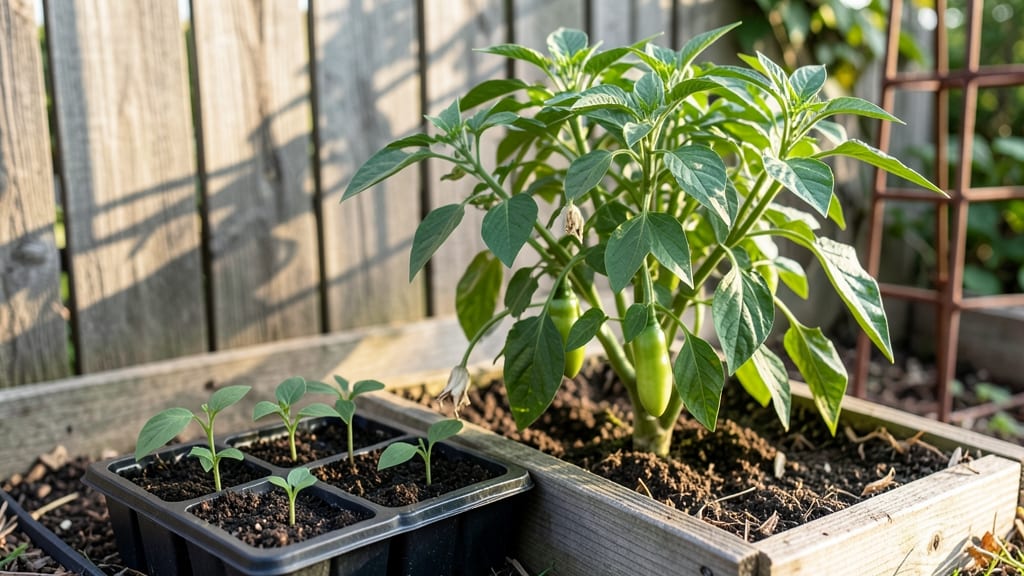
Seeding jalapeno peppers starts with a hot little secret: the right soil mix and warmth trick cuts germination time from weeks to just 5-7 days. I learned this after watching my first batch sit stubbornly in the dirt for three weeks—until I adjusted the heat and moisture.
The difference between slow starts and speedy sprouts often comes down to these two factors, and once you nail them, you’ll have peppers ready for transplanting before most gardeners even buy their seedlings.
You’ll need a shallow tray, seed-starting mix (not garden soil), and a heat mat or sunny windowsill—jalapenos crave warmth, ideally 75-85°F. Plant seeds ¼-inch deep, space them ½-inch apart, and keep the soil consistently moist but never soggy.
The key is patience in the first week: seeds won’t sprout until they’ve soaked up enough moisture and warmth. Once they crack the surface, move them to brighter light immediately to prevent leggy seedlings.
By week 3, you’ll have sturdy little plants ready to harden off, their first true leaves unfurling like tiny green flags. The payoff? Homegrown jalapeños that outperform store-bought plants—bigger, spicier, and harvested straight from your garden.
Just avoid the rookie mistake of overwatering after germination, which drowns those delicate sprouts before they even begin.
This method works whether you’re starting indoors 8-10 weeks before last frost or direct-sowing in warm climates after soil reaches 60°F. For beginners, indoor starting gives you control over conditions, while outdoor sowing saves space if you’re in a long, hot growing season.
Either way, your first harvest could be just 80 days away—if you time it right.
📚 In This Guide
- What you need
- Instructions
- Tips and common mistakes
- Wrapping up and next steps
What you need
- ● Jalapeño seeds: 5–10 seeds (fresh seeds germinate best; save seeds from store-bought peppers if organic/non-hybrid).
- ● Seed-starting mix: 1–2 cups of sterile, well-draining potting soil (avoid garden soil—it’s too dense!).
- ● Seed trays or small pots: 2–4 biodegradable pots (2–3 inches deep) or a seed tray with individual cells.
- ● Spray bottle: For gentle watering (avoid over-saturating seeds).
- ○ Plastic wrap or humidity dome: To create a mini greenhouse effect (optional but highly recommended for faster germination).
- ● Grow lights or sunny windowsill: A south-facing window or LED grow lights (12–16 hours/day).
- ○ Heat mat (optional): Keeps soil at 75–85°F for rapid germination (jalapeños love warmth!).
- ● Fertilizer (after germination): Balanced liquid fertilizer (5-5-5 or 10-10-10) diluted to half-strength.
- ● Labels & marker: To track seed varieties (trust us, you’ll forget which is which!).
- ● Patience (seeds sprout in 7–21 days, but consistency is key!).
- ● Time to monitor moisture and temperature daily.
- ● Access to a warm, bright spot (or willingness to invest in grow lights).
Step-by-step instructions for seeding jalapeno peppers
Here’s how to jumpstart your jalapeno seeds with proven techniques for rapid, healthy germination.
Prepare Containers and Seed Starting Mix
Fill clean, 4-inch deep containers with the sterile seed-starting mix—never garden soil, as it can harbor diseases that stunt young seedlings. I like to use small cell packs or biodegradable pots because they minimize root disturbance later. Moisten the mix until it’s damp but not soggy, then press it down lightly to create a firm planting surface. This prevents seeds from sinking too deep, which delays germination.
Jalapeno seeds need warmth to sprout quickly, so I add a seedling heat mat underneath the containers. Place the containers on the mat and set the temperature to 75-85°F. This warmth mimics their natural tropical environment and speeds up germination from 10-14 days to as little as 5-7 days. Check the soil daily—it should stay consistently moist but never waterlogged, as excess moisture can cause damping-off.
Sow Seeds at the Right Depth and Cover Lightly
Plant 2-3 seeds per container at a depth of ¼ inch, which is roughly the width of a pencil eraser. Jalapeno seeds are small, so I use a toothpick to create a tiny hole and place the seeds gently inside. Cover them with a thin layer of the seed-starting mix, just enough to obscure their shape. Press lightly to ensure good seed-to-soil contact, which helps moisture reach the seed faster.
Mist the surface with a spray bottle until the soil is evenly damp. Avoid overwatering—you’ll know it’s right when the soil looks dark and slightly shiny but doesn’t pool. Place the containers under a grow light or in a south-facing window immediately after sowing. Jalapenos need light to germinate, but they won’t sprout in the dark. Keep the containers in a warm, humid environment, like a sealed plastic bag with a small air hole, to encourage faster germination.
Monitor for Germination and Provide Optimal Conditions
Germination typically begins in 5-14 days, but you’ll see the first sprouts in as little as 3-5 days if conditions are ideal. Watch for tiny green shoots pushing through the soil—this is your signal that the seeds have broken dormancy. Once you see the first true leaves (the second set of leaves after the initial cotyledons), remove any weaker seedlings, leaving only the strongest one per container. This prevents overcrowding and ensures the remaining plant gets enough nutrients.
Keep the soil consistently moist but not waterlogged, and maintain a temperature of 65-75°F during the day and 60-65°F at night. If the seedlings start to look leggy or pale, they need more light. Move them closer to the grow light or supplement with a full-spectrum LED bulb. Leggy seedlings are a sign of insufficient light, and they’ll never recover their compact, sturdy growth once they develop this way. Rotate the containers daily to ensure even growth.
Harden Off Seedlings Before Transplanting
About 2 weeks before your last frost date, start hardening off your seedlings by placing them outside in a sheltered, shaded spot for 1-2 hours the first day. Gradually increase their outdoor time by 1 hour each day, moving them to a sunnier location as they adapt. This process teaches them to tolerate wind, sun, and temperature fluctuations without shock. By the time you’re ready to transplant, they should be able to handle a full day outside without wilting.
Transplant your jalapenos into the garden after all danger of frost has passed and the soil has warmed to at least 60°F. Choose a location with full sun (6-8 hours daily) and well-draining soil. Space plants 18-24 inches apart to allow for airflow, which reduces the risk of fungal diseases. Water deeply at the base after transplanting to help the roots establish quickly. Mulch with 1-2 inches of organic mulch to retain moisture and regulate soil temperature.
Tips & tricks for perfect jalapeno germination
These proven techniques will help you achieve rapid, healthy jalapeno germination that outpaces the typical 10-14 day window.
Temperature Precision: The 75-85°F range during germination is non-negotiable for speed. I use a digital thermometer to monitor soil temperature constantly—any drop below 70°F slows germination dramatically. If your home stays cooler than 75°F, consider placing containers on top of your refrigerator or using a dedicated seedling heat mat with precise temperature control. The difference between 75°F and 80°F can mean 3-5 days faster germination.
Light Strategy: Jalapeno seeds need light to germinate, but they won't sprout in complete darkness. Place containers immediately under a grow light or in a south-facing window after sowing. For fastest results, use a full-spectrum LED bulb positioned 2-3 inches above the seedlings. If using natural light, rotate containers daily to prevent leggy growth—a clear sign of insufficient light exposure. Remember, those first 3-5 days of light exposure are critical for triggering germination.
Moisture Balance: The soil should remain consistently moist but never waterlogged during the 5-14 day germination period. I use a spray bottle to mist the surface daily rather than pouring water, which prevents seed displacement and maintains even moisture. For extra humidity, place containers in a sealed plastic bag with small air holes—this mimics tropical conditions and can cut germination time by nearly half. The key is finding that sweet spot where seeds stay hydrated without developing damping-off disease.
Container Selection: While 4-inch deep containers work well, I've found that biodegradable pots actually perform better because they minimize root disturbance during transplanting. The slight acidity in biodegradable materials also appears to enhance early root development. If using cell packs, choose ones with individual compartments—this prevents overcrowding and makes thinning easier when true leaves appear. Proper container selection directly impacts seedling vigor and your eventual harvest.
Pro Tips for Seeding A Jalapeno
- These proven techniques will help you achieve rapid, healthy jalapeno germination that outpaces the typical 10-14 day window.
- Temperature Precision: The 75-85°F range during germination is non-negotiable for speed.
- Light Strategy: Jalapeno seeds need light to germinate, but they won't sprout in complete darkness.
Frequently asked questions
Got questions about seeding jalapeños?
You’re not alone! Here are answers to the most common concerns—from timing to troubleshooting—so you can grow fiery peppers like a pro.
How long does it take for jalapeño seeds to germinate?
With the right conditions (warmth, moisture, and light), jalapeño seeds typically sprout in 7–14 days. Use a heat mat (70–85°F) to speed things up—patience is key, but don’t let soil dry out! If nothing emerges after 3 weeks, the seeds may need rehydrating or replacing.
When is the best time to plant jalapeño seeds indoors?
Start seeds 8–10 weeks before your last frost date (usually February–March in most climates). Seedlings need time to grow strong before transplanting. If you’re short on time, opt for transplants from a nursery—just harden them off first!
Why aren’t my jalapeño seeds sprouting?
Common culprits include cold soil, dry seeds, or old seeds (viability drops after 1–2 years). Try soaking seeds overnight in warm water, using a seed starter kit, or testing a few in a damp paper towel to check viability. If all else fails, fresh seeds are your best bet!
Can I grow jalapeños from store-bought peppers?
Yes! Save seeds from organic, heirloom, or non-hybrid jalapeños (avoid F1 hybrids). Rinse, dry, and store seeds in a cool, dark place. Germination rates may be lower than store-bought seeds, but it’s a fun (and free!) experiment. Pro tip: Let peppers fully ripen on the plant for better seed quality!
How deep should I plant jalapeño seeds?
Plant seeds ¼ inch deep in well-draining soil. Over-deepening can delay germination, while planting too shallow risks drying out. Use a fine mist spray to keep soil moist (not soggy) until sprouts appear. A clear plastic dome or bag can help trap humidity early on!
Wrapping up and next steps
Seeding jalapeño peppers is your ticket to a fiery, homegrown harvest—just follow the right tricks! 🌱 With the right soil, warmth, and patience, you’ll soon be enjoying fresh, spicy peppers straight from your garden.
Now that you’re armed with pro tips and answers to common questions, it’s time to take action.
Ready to grow? Start your seeds today and watch your garden come to life with bold, flavorful jalapeños in no time! 🌶️