
Plants
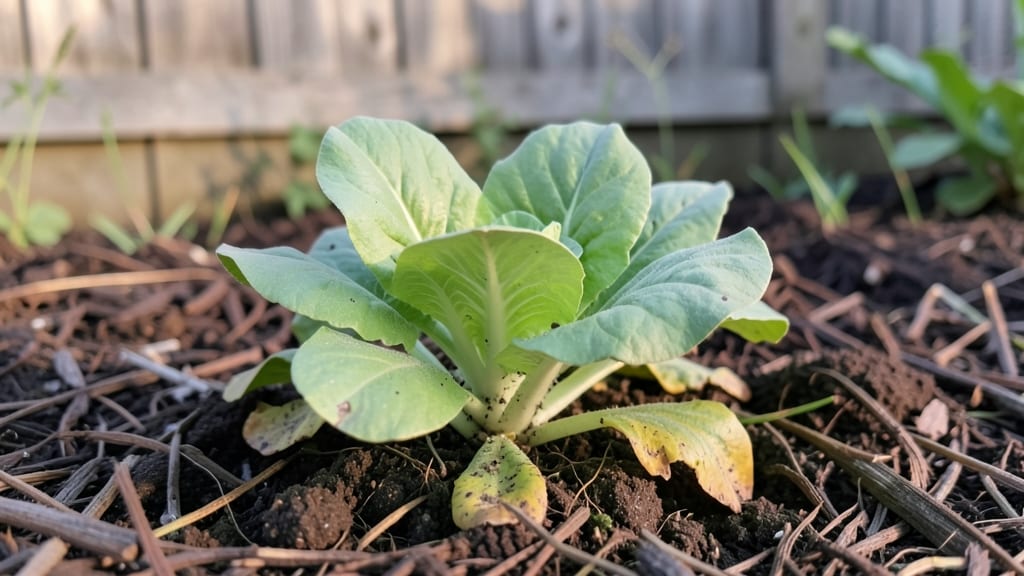
Growing plants from seeds that already have leaves isn’t just possible—it’s a fast way to jumpstart your privacy screens without waiting months. I’ve used this trick to fill gaps in my yard with leafy seedlings like arborvitae and boxwood, and the results appear in weeks instead of seasons.
The key lies in handling those delicate leaves right from the start, so they don’t dry out or wilt before the roots even take hold.
Most people assume seeds with leaves are damaged or weak, but they’re actually a sign of early germination—nature’s way of giving you a head start. You’ll need moist, well-draining soil and shade for the first few days to protect those leaves while roots establish.
Think of it like tucking a newborn into a cozy blanket: too much light or wind can stress them out before they’re ready. Herbs like basil and flowering plants such as impatiens also sprout this way, making them perfect for quick, lush screens.
By the time you’re done, you’ll have bushy, established plants ready to crowd out weeds and block nosy neighbors—no bare-root waiting required. The trickiest part is keeping those leaves hydrated without drowning the roots, but once you master it, you’ll wonder why you ever bought transplants.
This method works especially well for fast-growing evergreens, which can create a dense screen in just a few months.
Works for both sunny and shady spots, though leafy seedlings need extra care in hot climates. Here’s how to turn those fragile starts into a thriving privacy hedge without the usual delays.
The Hidden Triggers Behind Premature Leaf Growth
When your seedling sprouts leaves before the roots are strong enough, it’s not just a quirky plant quirk—it’s a response to specific environmental and biological cues. Understanding these triggers helps you adjust care strategies to promote healthier, more resilient growth.
Let’s break down the science behind why some seeds push out leaves too early, and what you can do about it.
Seeds packed too closely in the soil compete for nutrients, water, and space, forcing them to prioritize above-ground growth over root development. This happens because:
- Limited nutrients: When seeds are sown too densely, they exhaust local resources faster. The plant perceives scarcity and accelerates leaf production to maximize photosynthesis—even if the roots aren’t ready.
- Competitive stress: Roots from neighboring seedlings can tangle or block each other, restricting water uptake. The plant reacts by sending up leaves to "chase sunlight" before its root system can support them.
- Ethylene gas buildup: Overcrowded seeds release ethylene, a plant hormone that signals stress. In high concentrations, it triggers premature germination and leaf growth, mimicking conditions where the plant thinks it’s time to bolt (a survival tactic in dense wild stands).
Actionable fix: Space seeds according to their mature size—typically 1–3 inches apart for most shrubs—and thin seedlings to avoid competition. For example, Bamboo or Arborvitae seeds need 6+ inches of spacing to prevent this issue.
Bright, direct light before the seedling’s first true leaves emerge can shock delicate cotyledons (the initial "seed leaves") into thinking it’s time to grow. Here’s why this happens:
- Photosynthesis overload: Seedlings lack the protective pigments of mature leaves, so intense light can damage their cells. To "protect" itself, the plant accelerates leaf production to create a larger canopy faster, even if the roots aren’t established.
- Heat stress: Sunlight raises soil and air temperatures, speeding up metabolic processes. The seedling’s enzyme systems (like those in the photosystem II complex) can’t keep up, leading to oxidative stress and premature leafing.
- Light-quality mismatch: Artificial grow lights (especially LEDs with high blue spectra) or harsh sunlight can trick the seedling into thinking it’s time to transition from heterotrophic (relying on seed reserves) to autotrophic (self-feeding) growth.
Actionable fix: Use a shade cloth (30–50% coverage) or place seedlings under indirect light until they develop their second set of true leaves. For indoor growers, reduce light intensity to 1,000–2,000 lux (vs. 10,000+ lux for mature plants).
Water stress—whether from drought or oversaturation—disrupts the seedling’s hormonal balance, leading to early leafing. The two extremes trigger different (but equally problematic) responses:
| Issue | Why It Causes Early Leaves | Signs to Watch For |
|---|---|---|
| Underwatering |
Drought stress causes the seedling to produce abscisic acid (ABA), a hormone that signals water scarcity. To "escape" the dry conditions, the plant prioritizes above-ground growth, often producing weak, yellowish leaves. |
|
| Overwatering |
Excess moisture leads to hypoxia (oxygen deficiency) in the soil, which triggers the production of ethylene and gibberellins. These hormones accelerate germination and leaf growth as a last-ditch effort to "outgrow" the anaerobic conditions. |
|
Actionable fix:
- Use the "finger test": Stick your finger 1 inch into the soil—if it’s dry, water lightly; if soggy, wait 2–3 days.
- Opt for bottom-watering (place the tray in water for 10–15 mins) to avoid over-saturating the topsoil.
- Add perlite or vermiculite (20–30% mix) to improve drainage.
Seeds and seedlings are sensitive to temperature swings, which can disrupt their natural growth phases. Here’s how it backfires:
- Cold snaps: When soil temperatures drop below the seed’s optimal germination range (e.g., <60°F for most shrubs), the seedling may "panic" and produce leaves to absorb heat faster. This is especially common in cool-season plants like Boxwood or Holly.
- Heat spikes: Soil temps above <85°F can denature enzymes critical for root development, forcing the seedling to shift energy toward leaf production to cool itself via transpiration.
- Day-night swings: Large temperature differences (e.g., 70°F days, 50°F nights) confuse the plant’s circadian rhythm, leading to erratic growth patterns, including premature leafing.
Actionable fix:
- Use a seedling heat mat (set to 70–75°F) for consistent warmth.
- Avoid placing trays near windows, vents, or radiators that cause drafts.
- For outdoor sowing, choose microclimates (e.g., north-facing slopes) to buffer temperature extremes.
Some plant varieties are hardwired to prioritize leaf growth over root development due to evolutionary traits. This is common in:
- Fast-growing shrubs: Species like Bamboo or Russian Olive have aggressive growth habits to outcompete neighbors in the wild. Their seeds may produce leaves within <5–7 days to maximize canopy size.
- Succession plants: Weedy or pioneer species (e.g., Sumac or Privet) are adapted to colonize disturbed areas quickly. Their seeds germinate leaves early to establish dominance before slower competitors.
- Hybrid varieties: Some cultivars are bred for rapid foliage production (e.g., Dwarf Fountain Grass), which can lead to weak root systems if not given proper care.
Actionable fix:
- Research your species’ growth habit—some may naturally leaf early, requiring extra patience with root development.
- Supplement with mycorrhizal fungi (available as powders) to boost root symbiosis in fast-growing types.
- Use slow-release fertilizers (like
Quick Fixes for Faster Germination
When your seeds sprout with tiny leaves but seem sluggish, the good news is that you can often turn things around with a few targeted tweaks. Below are practical solutions tailored to common issues—plus prevention tips to keep your privacy screen thriving from the start.
Cause: Seeds planted too close together or in poor soil compete for nutrients, slowing growth.
Solution:
- Thin seedlings 🔪: Use clean scissors or your fingers to gently remove weaker sprouts, leaving the strongest 6–12 inches apart (adjust based on plant type).
- Boost soil fertility 🌡️: Mix in compost or a balanced fertilizer (5-10-5) at half-strength to nourish roots without burning tender leaves.
- Loosen compacted soil 👨🍳: Use a fork to aerate the top 2 inches, improving water and air flow to roots.
Prevention Tip: 💡 Space seeds according to the packet’s guidelines—crowding is the #1 enemy of bushy growth!
Cause: Moisture extremes stress roots, causing leaves to yellow or wilt.
Solution:
- Check soil moisture 🌡️: Stick your finger 1 inch deep—if dry, water deeply; if soggy, let it dry slightly before rewatering.
- Adjust watering habits ⏰:
- Underwatered? Water in the morning to reduce evaporation.
- Overwatered? Improve drainage by adding perlite or sand to the soil mix.
- Use a spray bottle 💦 for delicate seedlings to avoid disturbing roots.
Prevention Tip: ✨ Use a moisture meter or stick to a schedule (e.g., every 2–3 days for most seeds).
Cause: Too little or too much light causes weak stems and pale leaves.
Solution:
- Move to brighter light 🌞:
- Indoors? Place near a south-facing window or use a grow light 6–12 inches above seedlings for 12–16 hours/day.
- Outdoors? Transplant to a spot with 4–6 hours of direct sun (gradually acclimate to avoid shock).
- Rotate seedlings weekly 🌀 to prevent leaning toward light sources.
Prevention Tip: 💡 Start seeds in a sunny windowsill or under lights—avoid dim corners!
Cause: Bugs (like aphids) or fungal issues (like damping-off) can halt growth.
Solution:
- Spot-treat pests 🛡️:
- Aphids/spider mites? Spray with soapy water (1 tsp mild soap + 1 quart water).
- Fungus? Apply a baking soda solution (1 tsp baking soda + 1 quart water + a drop of dish soap).
- Improve airflow 🌬️: Thin seedlings and avoid overwatering to deter mold.
Prevention Tip: 🎯 Use neem oil or diatomaceous earth as a preventive spray every 2 weeks.
Cause: Cool soil or drafts slow metabolism, delaying leaf development.
Solution:
- Warm the soil 🔥:
- Place seed trays on a heat mat (70–80°F for most seeds).
- Cover with plastic wrap temporarily to trap heat (remove once sprouts appear).
- Avoid drafts ❄️: Keep seedlings away from AC vents, doors, or windows that open at night.
Prevention Tip: 💡 Start seeds indoors 4–6 weeks before the last frost for ideal outdoor conditions.
Pro Tip: 📊 Track progress with a simple chart—note soil moisture, light, and growth rate to spot patterns. Most seedlings show visible improvement within 3–5 days of adjustments!
Frequently asked questions
Are seeds with leaves already damaged?
Not at all! Seeds with leaves are often a sign of early germination—the plant is using its energy to develop leaves before roots fully establish. This is normal for fast-growing varieties like arborvitae or herbs. Just handle them gently to prevent leaf damage during transplanting.
Can I plant seeds with leaves directly outdoors?
Yes, but only if your climate is warm and stable. For cooler areas, start them indoors under shade cloth (30–50%) to protect delicate leaves while roots strengthen. Once they’ve developed 2–3 true leaves, they’ll handle outdoor conditions better.
How do I tell if a seed with leaves is healthy?
Healthy seedlings have firm stems, vibrant leaves (not yellow or wilted), and roots that fill at least half the root ball when gently removed. Avoid planting if leaves are brown or mushy—this signals rot or dehydration.
What’s the best soil mix for seeds with leaves?
Use a lightweight blend of 50% potting soil, 30% perlite, and 20% compost to ensure good drainage and nutrients. Avoid garden soil—it’s too dense and can suffocate young roots. For herbs or flowering plants, add a dash of worm castings for extra nutrients.
Why do some seeds with leaves grow faster than others?
Growth speed depends on the plant type, soil warmth (70–80°F is ideal), and light exposure. Fast growers like basil or impatiens sprout leaves quickly, while slower varieties (e.g., boxwood) need patience. Provide consistent moisture and indirect light to even out growth rates.