Lawn
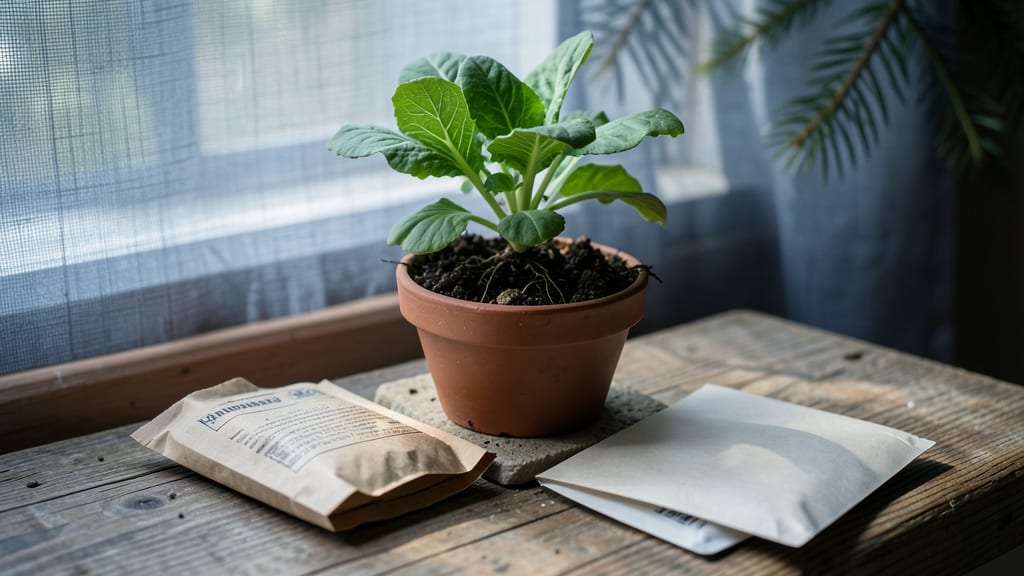
This method stands apart from alternatives like grafting or tissue culture because it begins with the plant's embryonic stage, unlocking genetic diversity and adaptability. 🌱 For example, heirloom varieties often rely on seed planting to preserve unique traits that wouldn't survive through vegetative propagation.
The process also gives gardeners more control over timing—you can start seeds indoors weeks before the last frost, creating an early advantage for outdoor planting.
What sets seed planting apart is its simplicity and cost-effectiveness compared to methods like buying mature transplants. While cuttings or divisions might be faster for established plants, seeds offer a broader range of species and varieties at a fraction of the cost.
That said, patience is key—seeds typically take longer to mature than vegetative methods, but the payoff comes in the form of healthier, more resilient plants adapted to your specific growing conditions.
💡 In This Article
- How Seed Germination Works in Plant Development
- Choosing Between Seeds, Cuttings, and Transplants for Gardening
How seed germination works in plant development
Seed germination is a fascinating biological process that begins when a seed absorbs water through its outer coat—a stage called imbibition. This triggers metabolic activity as enzymes break down stored nutrients like starches into sugars, fueling the seed's energy needs.
The seed's dormancy is typically broken by hormones like gibberellins, which signal the embryo to activate growth. For example, a tomato seed absorbs 50-100% of its weight in water within hours, swelling noticeably as it prepares for germination.
The next critical phase is radicle emergence, where the embryonic root (radicle) pushes through the seed coat, seeking oxygen and anchoring the seedling. This process relies on warmth (typically 60-85°F) and proper soil aeration—without oxygen, the radicle can't grow.
Once the radicle emerges, the hypocotyl (the stem above the seed) elongates, lifting the seedling toward light in a process called positive phototropism. This upward growth can happen in just 3-10 days, depending on the plant species.
What sets seed germination apart from methods like grafting or tissue culture is its reliance on natural genetic diversity. While grafting combines two plants to produce a hybrid, seeds allow for random genetic recombination, which is why heirloom varieties thrive when grown from seed.
For instance, a single tomato seed packet can yield plants with varying fruit shapes, colors, and disease resistances—something impossible with vegetative propagation. This diversity is also why seeds are essential for breeding programs.
Environmental triggers play a crucial role in germination success. Light-sensitive seeds (like lettuce) need exposure to sunlight to break dormancy, while others (like beans) germinate in darkness. Temperature thresholds vary too—cool-season crops like spinach germinate best at 55-65°F, while tropical plants like peppers prefer 75-85°F.
Oxygen levels matter as well: compacted soil can suffocate emerging seedlings, which is why loose, well-draining soil is ideal. Even a slight delay in watering can halt the process, as seeds lose viability if they dry out.
Comparing seed germination to tissue culture highlights the trade-offs. Tissue culture grows plants in sterile lab conditions using small plant fragments, producing genetically identical clones in weeks. However, this method requires expensive equipment and expertise, while seeds offer a low-cost, scalable alternative.
For example, a single tissue-cultured rose cutting might cost $10-$20, whereas a packet of rose seeds costs $2-$5—though the seeds may take years to flower. This contrast underscores why seeds remain the backbone of agriculture and gardening.
Understanding these biological mechanisms helps gardeners optimize conditions for success. For instance, pre-soaking seeds in warm water can accelerate imbibition, while using a heat mat ensures consistent warmth for slow-to-germinate varieties.
The key takeaway? Seed germination is a delicate balance of biology and environment—master it, and you unlock the potential of countless plant species. 🌱