
Trees
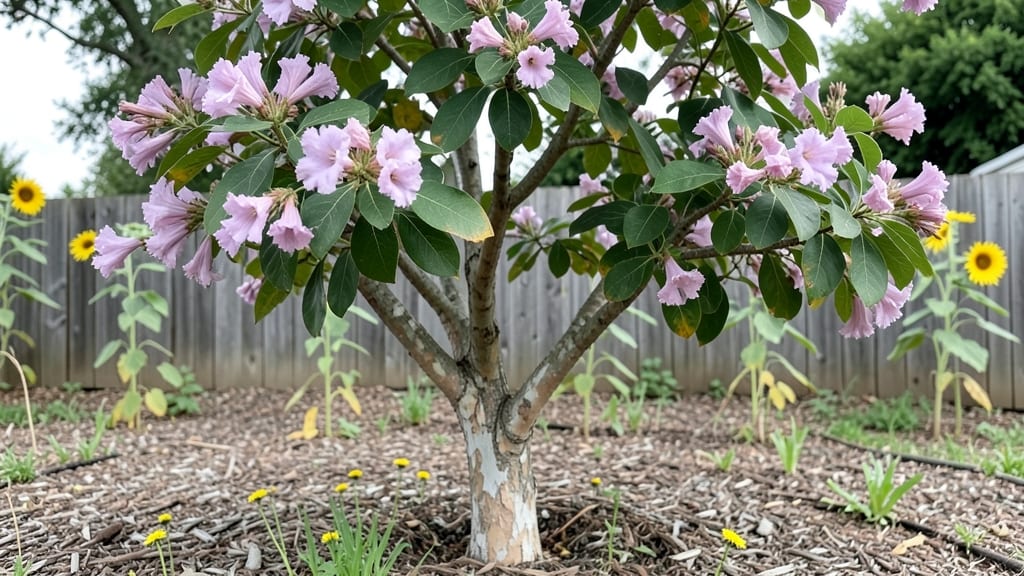
Growing trees from round seed pods like catalpa or sweetgum starts with cold stratification—the secret weapon for breaking dormancy. I remember the first time I saw those plump, papery pods crack open, revealing tiny seeds ready to sprout.
Without this step, most would just sit there, stubborn and dry, refusing to grow.
The process is simpler than it sounds: mix your seeds with damp sand, seal them in a bag, and let them chill for 60 to 90 days. My garden journal notes that honey locust seeds need the longest cold treatment, while catalpa seeds often sprout faster.
You’ll need patience—this isn’t a quick fix—but the payoff is worth it.
Once stratified, those seeds transform into sturdy seedlings with glossy leaves and strong roots. By late spring, you’ll have young trees ready to plant, their round pods already forming on the parent plant.
The key is keeping soil moist but not soggy—just like learning the hard way that overwatering kills more than underwatering ever could.
Works for backyard gardens, containers, or even community plots—just adjust spacing for mature tree size. Let’s get those pods sprouting reliably, one season at a time.
Nature’s Hidden Tricks Behind Seed Pods
Round seed pods from trees don’t just appear—they’re the result of a fascinating dance between biology, environment, and time. Understanding why these pods form the way they do helps gardeners and tree enthusiasts unlock their full potential for germination. Let’s break down the key factors that shape their development.
Every tree species has its own built-in survival strategy, and seed pods are no exception. Many round seed pods—like those from Lotus corniculatus (bird’s-foot trefoil) or Gleditsia triacanthos (honey locust)—are genetically designed to:
- Resist early germination: Hard, woody, or fibrous pods protect seeds from premature sprouting, which could happen in unfavorable conditions (like dry summers or early frosts).
- Delay release: Some pods only open when exposed to specific triggers, ensuring seeds disperse at the optimal time for growth.
- Store nutrients: Thick pod walls often contain compounds that preserve seed viability for months or even years.
Actionable insight: If you’re working with wild-harvested pods, assume they’re programmed for patience. Don’t rush germination—let nature’s timing guide you.
One of the most critical reasons round seed pods behave the way they do is cold stratification, a natural process that mimics winter conditions. Many tree seeds (especially temperate species) need:
- A chilling period: Seeds absorb moisture and undergo biochemical changes at temperatures between 32–41°F (0–5°C) for weeks or months. This breaks down seed coats and activates enzymes.
- Moisture balance: Too much water can cause rot; too little halts stratification. The pod’s structure often regulates this by slowly releasing moisture.
- Hormonal shifts: Cold exposure triggers gibberellins, hormones that signal the seed to “wake up” and grow.
Why it matters: Skipping stratification is like trying to bake a cake without preheating the oven—your seeds won’t rise. For example, Juglans nigra (black walnut) pods often need 60–90 days of cold before germination kicks in.
Not all seed pods are created equal—and their roundness or hardness can be a direct response to their environment. Key stressors include:
| Factor | Effect on Seed Pods | Example Trees |
|---|---|---|
| Drought | Pods become thicker and tougher to retain moisture, delaying germination until rains return. | Prosopis glandulosa (honey mesquite) |
| Fire Adaptations | Some pods only open after heat exposure, releasing seeds for post-fire regeneration. | Eucalyptus species |
| Animal Dispersal | Round, fleshy pods (like those of Sapindus saponaria) attract animals, ensuring seeds travel far from the parent tree. | Soapberry |
| Competition | Pods may harden or slow release to outcompete weeds for sunlight and nutrients. | Robinia pseudoacacia (black locust) |
Pro tip:💡 If you’re collecting pods from arid climates, soak them in water for 24–48 hours before stratification to mimic natural rain triggers.
Some round seed pods contain chemical inhibitors that prevent germination until conditions are perfect. These include:
- Tannins: Bitter compounds in pods like those of Castanea (chestnut) that deter predators and slow water absorption.
- Phenolics: Found in Quercus (oak) acorns, these chemicals require leaching (soaking) to break down.
- Growth inhibitors: Natural compounds like abscisic acid that suppress sprouting until stratification or scarification (scratching) occurs.
How to bypass them: For chemically protected seeds, try:
- 🌡️ Hot water treatment: Soak pods in 160°F (71°C) water for 5–10 minutes to soften coats.
- ✂️ Nick the seed: Gently scratch the pod with a knife to expose the embryo.
- 💧 Cold + moisture: Combine stratification with occasional watering to flush out inhibitors.
Quick Fixes for Stubborn Seed Pods
Cold stratification is the secret weapon for breaking dormancy in round tree seed pods, but even with the best methods, some seeds resist sprouting. Whether your pods are stuck in a stubborn slumber or sprouting unevenly, these practical, step-by-step solutions will help you turn those tough seeds into thriving saplings.
Let’s tackle the most common issues—and how to fix them—with actionable tips to prevent future headaches.
Cause: Insufficient cold exposure, improper moisture, or old/damaged seeds.
Fix It:
- 🔄 Extend the Cold Treatment
- If your seeds spent only 4–8 weeks in the fridge, try adding 2–4 more weeks (some species, like maples, need up to 12 weeks).
- Pro Tip: 💡 Label your pods with the start date to track progress. If they’ve been cold for 3 months with no signs of life, they may need a different approach.
- 💧 Adjust Moisture Levels - Too dry? Mist the seeds lightly every 3–5 days while stratified (keep them in a sealed bag with a damp paper towel). - Too wet? Drain excess water—moldy seeds won’t sprout.
Use a fine spray bottle for control. - Warning: ⚠️ Never let them sit in standing water—this can cause rot.
- 🌱 Try a Warm-Up Period - After stratification, place seeds in a warm, bright spot (70–75°F) for 1–2 weeks before planting. This mimics spring conditions and triggers germination. - Quick Test: 🧪 Float test—drop a few seeds in water.
If they sink, they’re viable; if they float, they’re likely dead.
Cause: Inconsistent warmth, poor soil contact, or genetic variability in seed maturity.
Fix It:
- 🌡️ Optimize Heat and Light
- Use a seedling heat mat (set to 75–80°F) under your germination tray to speed up growth.
- Place trays under grow lights (12–16 hours/day) or in a sunny windowsill (south-facing is best).
- Pro Tip: ✨ Bottom heat + humidity dome = faster, more uniform sprouting.
- 👨🍳 Plant Deeper for Stability
- Some round pods (like catalpa or honey locust) need 1–2 inches of soil coverage to stay upright.
- Press seeds gently but firmly into moist potting mix—don’t bury them too shallowly or they’ll dry out.
- 🔪 Thin Crowded Seedlings
- If multiple seeds sprout in one pod, snip the weakest sprouts at the base with clean scissors to give the strongest one room to grow.
- Prevention: 🌱 Space pods 1–2 inches apart in the tray to avoid overcrowding.
Cause: Overly warm conditions, excess moisture, or fungal contamination.
Fix It:
- 🌡️ Lower the Temperature
- Move trays to a cooler spot (60–65°F) if condensation forms or mold appears.
- Quick Fix: 🍳 Increase airflow with a small fan on low setting (2–3 hours/day) to dry surfaces.
- 🧼 Sanitize Your Setup
- Wash trays and tools with a 10% bleach solution (1 part bleach to 9 parts water) to kill fungi.
- Replace old potting mix with fresh, sterilized soil (bake in oven at 200°F for 30 mins to kill pathogens).
- 💧 Reduce Watering Frequency
- Switch to bottom-watering (place tray in a shallow dish of water for 10 mins, then drain).
- Prevention: 🎯 Use a well-draining mix (50% potting soil + 50% perlite or sand).
Cause: Transplant shock, nutrient deficiency, or sudden environmental changes.
Fix It:
- 🌿 Gradual Hardening Off
- Before moving seedlings outdoors, acclimate them over 1–2 weeks:
- Week 1: 1 hour outside in shade → bring back in.
- Week 2: 2–3 hours, then overnight (if temps stay above 50°F).
- Pro Tip: 💡 Use a cloche or shade cloth for the first few days outside.
- Before moving seedlings outdoors, acclimate them over 1–2 weeks:
- 📊 Fertilize Lightly
- Wait 4–6 weeks after sprouting before using diluted fertilizer (½ strength balanced 10-10-10).
- Better Option: 🥗 Fish emulsion (1 tsp/gallon) for a gentle nutrient boost.
- 🏡 Choose the Right Pot Size
- Too small? Roots circle and strangle the seedling.
- Too big? Soil stays wet too long, risking rot.
- Sweet Spot: 🎯 2–3 inch pots for the first 3 months, then upgrade.
To avoid future struggles with round seed pods: ✅ Test viability before stratifying (float test or cut-open inspection). ✅ Use fresh, high-quality potting mix (avoid garden soil—it’s too dense). ✅ Monitor humidity with a hygrometer (aim for 60–70%). ✅ Label everything (species, stratification start date, moisture notes). ✅ Keep a germination journal to track what works best for your climate.
Final Thought: Patience is key—some tree seeds take months to sprout, but with these fixes, you’ll turn even the trickiest round pods into strong, healthy starts. 🌳💪
Frequently asked questions
Which trees produce the most recognizable round seed pods?
Some of the most common trees with distinctive round seed pods include catalpa (with long, bean-like pods), sweetgum (spiky green spheres), and honey locust (flat, papery brown pods). Other notable examples are the soapberry tree and black locust, both prized for their unique seed structures.
How do I know if my round seed pods are still viable?
Test viability by placing a few seeds in water—if they sink, they’re likely good. For tough pods, gently crack one open to check for a firm, plump seed inside. Fresh pods should feel firm, not shriveled. If they float or smell musty, they’ve likely lost viability.
Can I grow round seed pods from trees in containers?
Many trees like catalpa or honey locust thrive in large containers (at least 18-inch diameter) with well-draining soil. Just ensure the pot has drainage holes and you’re using a quality potting mix. Container-grown trees need regular watering and may need winter protection in cold climates.
Why do some round seed pods take so long to germinate?
Many round seed pods require cold stratification (60–90 days in cold, moist conditions) to break dormancy. Others contain natural chemical inhibitors that slow germination until conditions are perfect. Patience is key—some species may take 3–6 months to sprout after proper treatment.
What’s the best way to collect and store round seed pods?
Harvest pods when they’re fully mature but still slightly green. Store them in a cool, dry place (like a paper bag) until ready to process. For long-term storage, keep them in the refrigerator for up to 6 months. Avoid plastic bags—they trap moisture and cause mold.