Planting
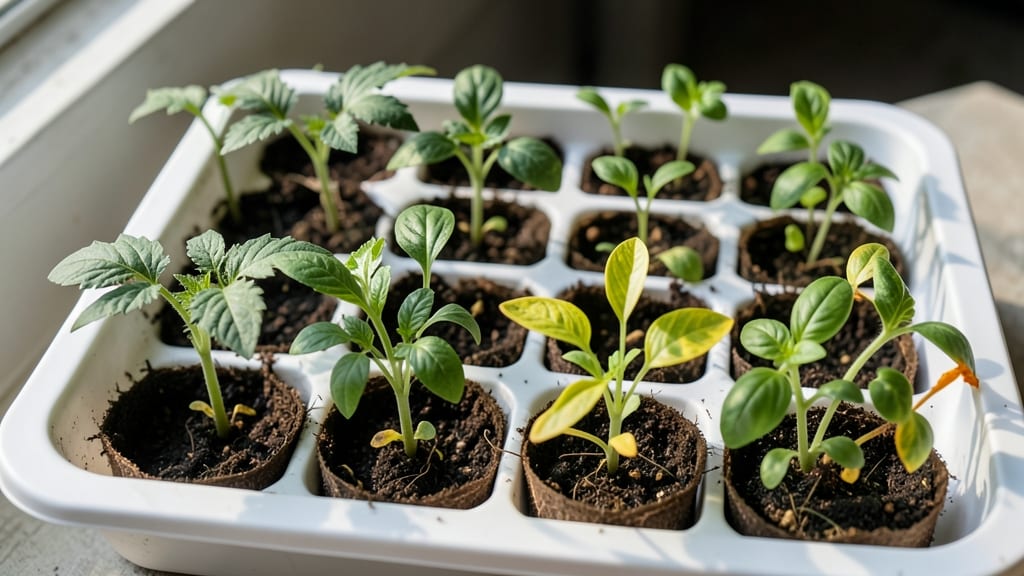
Mastering plant seedling identification by leaf shape and growth stage will spare you the heartbreak of yanking out future heirloom tomatoes or baby broccoli—don’t let that happen to you. 🌱 The difference between a thriving garden and a mystery plot often comes down to knowing what you're actually growing.
Start with the basics: leaf shape (round, lobed, serrated, or smooth), stem hairiness, and whether the first leaves are simple or compound. A magnolia seedling's glossy, oval leaves look nothing like a tomato's jagged, hairy first foliage.
Most beginner mistakes happen when people confuse similar seedlings—like basil and dill—or overlook key details like leaf arrangement. Grab a notebook and a ruler to measure leaf widths; that tiny difference makes all the difference.
You'll quickly spot the right care for each plant—tomatoes need full sun and strong stems, while parsley thrives in partial shade and stays compact. Proper identification means you won't overwater delicate seedlings or under-fertilize heavy feeders.
Once you master these clues, you'll recognize seedlings on sight, even before they develop true leaves. That confidence turns guesswork into a reliable harvest.
For tricky cases, use free apps like PictureThis or PlantNet to cross-check your observations. Start with common garden plants—tomatoes, peppers, herbs, and greens—and build your skills before tackling rare varieties.
The more you practice, the faster you'll spot patterns. Your garden's success starts with knowing exactly what's sprouting in those little pots.
📚 In This Guide
- What you need
- Instructions
- Tips and common mistakes
- Wrapping up and next steps
What you need
- ● Seedling samples: 3–5 healthy seedlings (fresh or preserved in water/alcohol for study)
- ● Magnifying glass (10x–20x zoom): Essential for examining fine details like leaf veins and texture
- ● Ruler or measuring tape: For recording leaf length, stem thickness, and growth stages (inches/millimeters)
- ● Notebook or digital device: To sketch leaf shapes, note colors, and log observations
- ● Field guide or plant ID app: e.g., iNaturalist, PlantNet, or a regional flora book
- ○ Gloves (optional but recommended): If handling prickly or unknown plants (nitrile or cotton)
- ● Camera with macro mode: Capture high-res images of leaf details for later comparison
- ● Seedling trays or pots: If you’re growing samples for long-term observation
- ● Moisture meter: Check soil humidity—dry seedlings may look different!
- ● Reference plants: Known species (e.g., basil, tomato) for side-by-side comparison
- ● UV flashlight: Reveals hidden patterns in leaf veins under blacklight
How to identify seedlings using leaf shape and growth stages
Mastering seedling ID transforms guesswork into confidence—here's how to decode those first leaves.
🌱 Step 1: Observe the Cotyledons First
The very first leaves—called cotyledons—are your most reliable clue. These seed leaves appear before true foliage and reveal the plant family instantly. Broad, rounded cotyledons often signal legumes like peas or beans, while narrow, pointed ones typically belong to brassicas (think cabbage family). I always check the cotyledon shape first because it never changes—unlike later leaves that might get damaged or distorted.
Look closely at the leaf edges: smooth cotyledons often indicate tomatoes or peppers, while slightly lobed ones suggest squash or melons. This initial stage is also when you spot common issues like damping-off (blackened stems) or poor germination. If cotyledons appear yellow or stunted, your seedlings need more light or better drainage.
🌿 Step 2: Examine the First True Leaves
Once the first true leaves emerge (they'll look different from the cotyledons), you can narrow identifications significantly. True leaves appear after the cotyledons drop or remain attached. For example, basil seedlings show rounded leaves with serrated edges by the third leaf stage, while parsley unfurls finely divided, almost fern-like foliage. I keep a small reference chart nearby during this phase to compare shapes.
Pay attention to leaf arrangement: alternate patterns suggest tomatoes or peppers, while opposite leaves often indicate basil or mint. The presence of hairs or spines can also help—rosemary seedlings, for instance, develop tiny hairs along the stems early on. If leaves appear pale or stretched, your seedlings are light-starved and need immediate adjustment.
✂️ Step 3: Assess Growth Habits and Stem Structure
Seedling stems tell another story. Herbaceous stems (soft, green) belong to annuals like lettuce or spinach, while woody stems indicate perennials such as rosemary or thyme. I run my thumb along the stem to feel the texture—smooth stems often mean brassicas, while hairy stems suggest mint family plants. The growth angle matters too: upright stems usually point to tomatoes or peppers, while trailing stems identify cucumbers or melons.
Check the leaf veins: prominent central veins with side branches suggest beans or peas, while a more web-like pattern indicates herbs like dill or cilantro. If stems grow weak and leggy, your seedlings need stronger light or less space between plants. This is also when you should start thinning crowded seedlings—waiting too long makes transplanting traumatic.
📏 Step 4: Measure and Compare Against Known Standards
Use a simple ruler to measure key features: leaf length, stem diameter, and spacing between nodes. For example, tomato seedlings should have leaves about 1-2 inches long by the fourth true leaf stage, while pepper seedlings remain smaller (½-1 inch) but develop thicker stems. I keep a notebook with sketches of each seedling's progress—this becomes invaluable when distinguishing similar-looking species like different basil varieties.
Compare against trusted resources: seed packets often include growth charts, and online seedling ID guides show side-by-side comparisons. If your seedlings don't match expected measurements, check for environmental stress—overwatering causes stunted growth, while underwatering leads to crispy edges. This step is where patience pays off; accurate measurements prevent costly misidentifications later.
Tips & tricks for perfect seedling identification
Confession: I spent years misidentifying seedlings until I realized the key is in the details—here's what nobody tells you about those crucial early stages.
Cotyledon Clues: In Step 1, don't just glance at cotyledons—run your fingers along their edges. The texture matters: smooth cotyledons with rounded tips almost always mean tomatoes or peppers, while slightly serrated edges suggest squash varieties. I've caught more misidentifications by feeling the leaf surface than by just looking. For brassicas, check for that characteristic "V" shape where the leaf attaches to the stem—it's your brassica fingerprint.
True Leaf Timing: In Step 2, when those first true leaves appear, resist the urge to rush comparisons. Wait until you see at least three true leaves before making final identifications—this is when family traits become most distinct. I keep a small magnifying glass handy to examine leaf veins and hairs, which can reveal whether you're looking at a mint family plant or something entirely different. The third leaf stage is when basil's serrated edges become unmistakable.
Growth Habit Shortcuts: In Step 3, use the "thumb test" on stems: press gently along the stem length. Herbaceous stems that feel soft and slightly spongy belong to annuals like lettuce, while woody stems with a firmer texture indicate perennials. This simple tactile check saves me from hours of research—especially when distinguishing between similar-looking herbs like dill and cilantro at the seedling stage.
Measurement Precision: In Step 4, invest in a good quality ruler with 1/16-inch markings—standard rulers won't give you the precision needed for accurate comparisons. When measuring tomato seedlings at the fourth true leaf stage, that 1-2 inch range can be the difference between identifying a beefsteak tomato and a cherry variety. I've found that keeping a running log of measurements helps track growth patterns over time, which is invaluable for distinguishing between similar species.
Pro Tips for Plant Seedling Identification
- Confession: I spent years misidentifying seedlings until I realized the key is in the details—here's what nobody tells you about those crucial early stages.
- Cotyledon Clues: In Step 1, don't just glance at cotyledons—run your fingers along their edges.
- True Leaf Timing: In Step 2, when those first true leaves appear, resist the urge to rush comparisons.
Frequently asked questions
about plant seedling identification can help you navigate early growth stages with confidence. Here are some common queries:How can I tell if my seedling is healthy or diseased?
A healthy seedling has vibrant, firm leaves with no yellowing or brown spots. Check for strong stems, upright growth, and no signs of pests like holes or webbing. If you spot wilting, discoloration, or unusual growths, isolate it and research common issues for that plant type.
When is the best time to identify seedlings for transplanting?
Identify seedlings for transplanting when they’ve developed 2-4 true leaves (not just the initial seed leaves) and a sturdy root system. For most plants, this happens 3-6 weeks after germination, depending on the species. Avoid transplanting too early—small seedlings are fragile and may shock.
What if my seedling doesn’t match any identification guides?
If your seedling doesn’t fit common descriptions, check its leaf shape, vein pattern, and growth habit carefully. Use a plant identification app (like PlantNet or Google Lens) or consult local gardening forums. Sometimes, seedlings resemble unrelated plants—compare with mature plant traits too!
Can I use leaf shape alone to identify a seedling accurately?
Leaf shape is a great starting point, but combine it with other clues like stem texture, leaf arrangement (alternate vs. opposite), and growth speed. For example, a lobed leaf could belong to a basil or oak seedling, but their stems and growth habits differ. Cross-reference with seed packets or regional plant databases.
What should I do if I accidentally transplant the wrong seedling?
Don’t panic! If you’ve moved a seedling to the wrong spot, assess its needs (sunlight, soil type) and adjust its care. Some plants are resilient—like herbs or grasses—while others (e.g., tomatoes) may struggle. If possible, relocate it correctly or research its adaptability. Prevention tip: Label seedlings early with toothpicks and markers!
Wrapping up and next steps
Mastering plant seedling identification is like unlocking a secret code to healthier, happier plants! 🌱 By focusing on leaf shape and growth stages, you’ve gained the confidence to spot seedlings with ease—whether they’re broadleaf weeds or your prized basil.
Remember, every tiny sprout tells a story, and now you’re fluent in its language.
Ready to put your new skills to work? Start by planting a few mystery seedlings in pots and track their growth. Document their progress with photos—you’ll be amazed how much you learn over time! Happy gardening! 🌿